

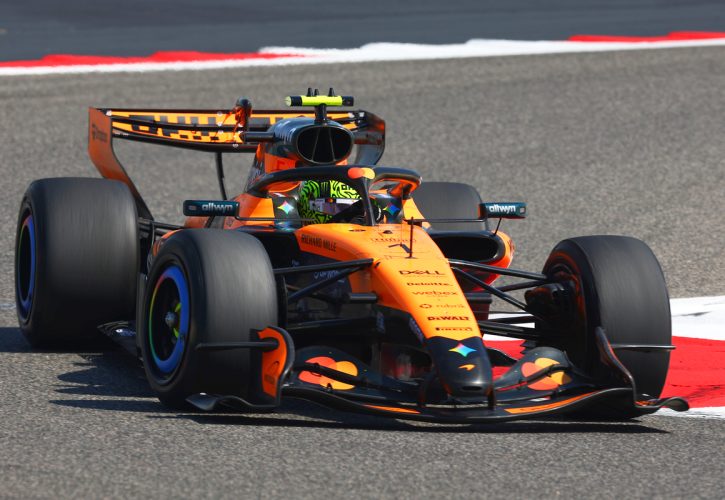


After sweeping the F1 season last year with both titles, McLaren heads to Melbourne with a target on their back while facing a stark reality: 2026 is a reset.
Fresh regulations have forced every team back to the drawing board, igniting what promises to be a ferocious development war from the very first lap of the Australian Grand Prix.
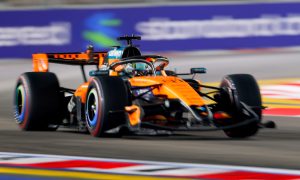
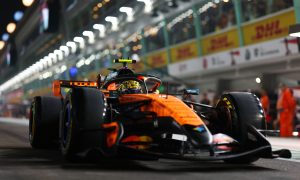
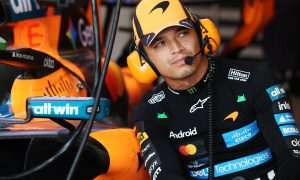
With defending world champion Lando Norris and local hero Oscar Piastri at the wheel of the MCL40, McLaren step into this brave new world as an independent heavyweight taking on a grid stacked with manufacturers.
But while the pecking order remains murky, one thing is certain: these cars are beasts, and very complex ones at that as McLaren’s chief designer Rob Marshall explains.
“It’s clear to see that these cars are very complicated to operate from inside and outside the cockpit,” says the Briton.
“The high driver workload means that there are many new tools that need to be optimised, and the entire team has been working extremely hard to maximise those learnings both during our time at track but also when back in Woking.”
'We're confident in our learnings'
Pre-season testing, he explained, has been less about glory runs and more about understanding the machine’s vast potential.
“We have spent much of our testing programme exploring the performance and capability of our car, with every lap providing valuable further understanding of the MCL40,” he adds.
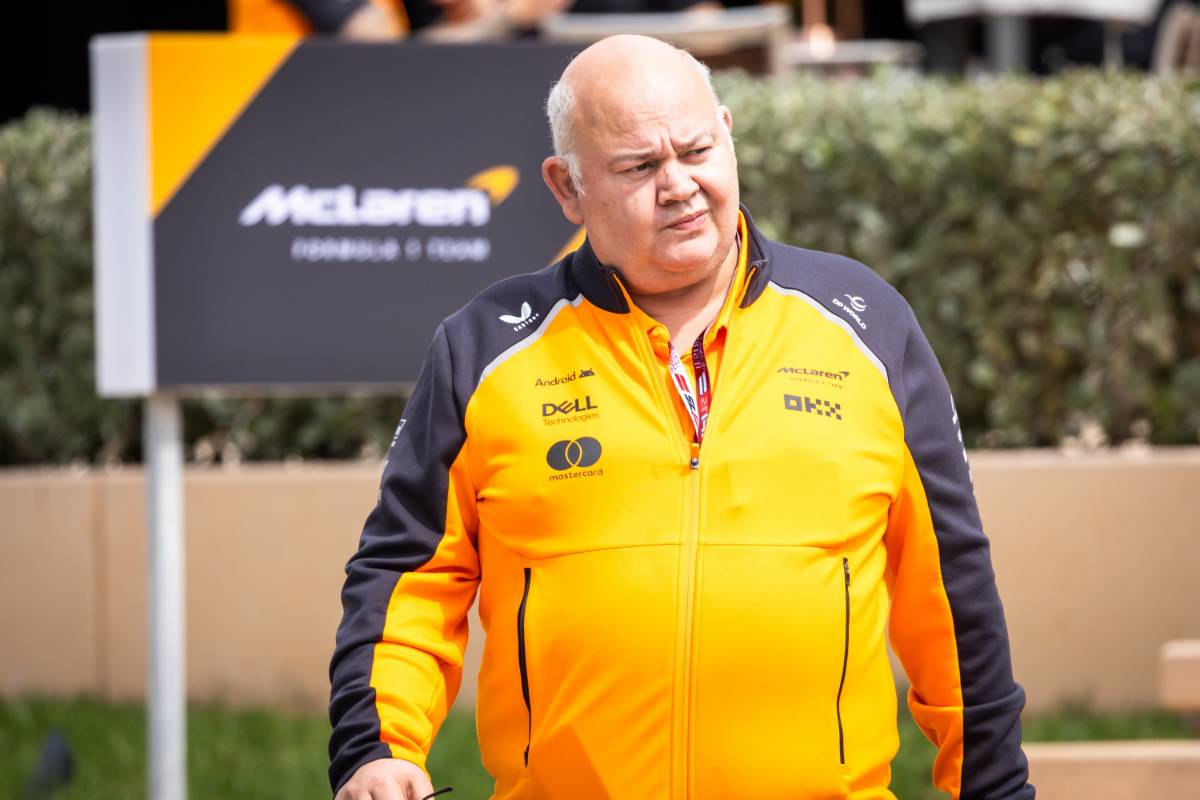
McLaren Chief Designer Rob Marshall
“Power unit exploitation has been a very intense focus, with multiple areas to get right on the hybrid side, such as when to recover energy and when to deploy across the different scenarios a race weekend provides.
“This has required many laps, but we are confident in our learnings and will continue to explore areas for further exploitation in performance.”
Now comes the crunch.
“Now we go to Melbourne and have to dial in the optimum settings with much less time and under the pressure of a race weekend at a very different circuit to what we have experienced throughout pre-season,” he says.
While the regulations have triggered a burst of creativity up and down the pit lane, Marshall expects that diversity may not last forever.
“It is great to see that these regs have encouraged new designs and innovations up and down the grid. We all have the same goals, but it’s great to see we have different views on how to achieve them.
“With time, teams may all converge on a common design, but it would be encouraging to see them remain different and interesting for as long as possible.”
A Development War Like No Other
McLaren believe their foundation is strong – but they are under no illusions about what lies ahead.
“For our part, I would say that we are reasonably happy with the foundation package of the MCL40,” Marshall admits.
“I believe that we know the potential of what the car can do and what we want it to do, but we must remain focused and driven to ensure we continue to use our learnings as the season progresses and remain successful in our development journey.”
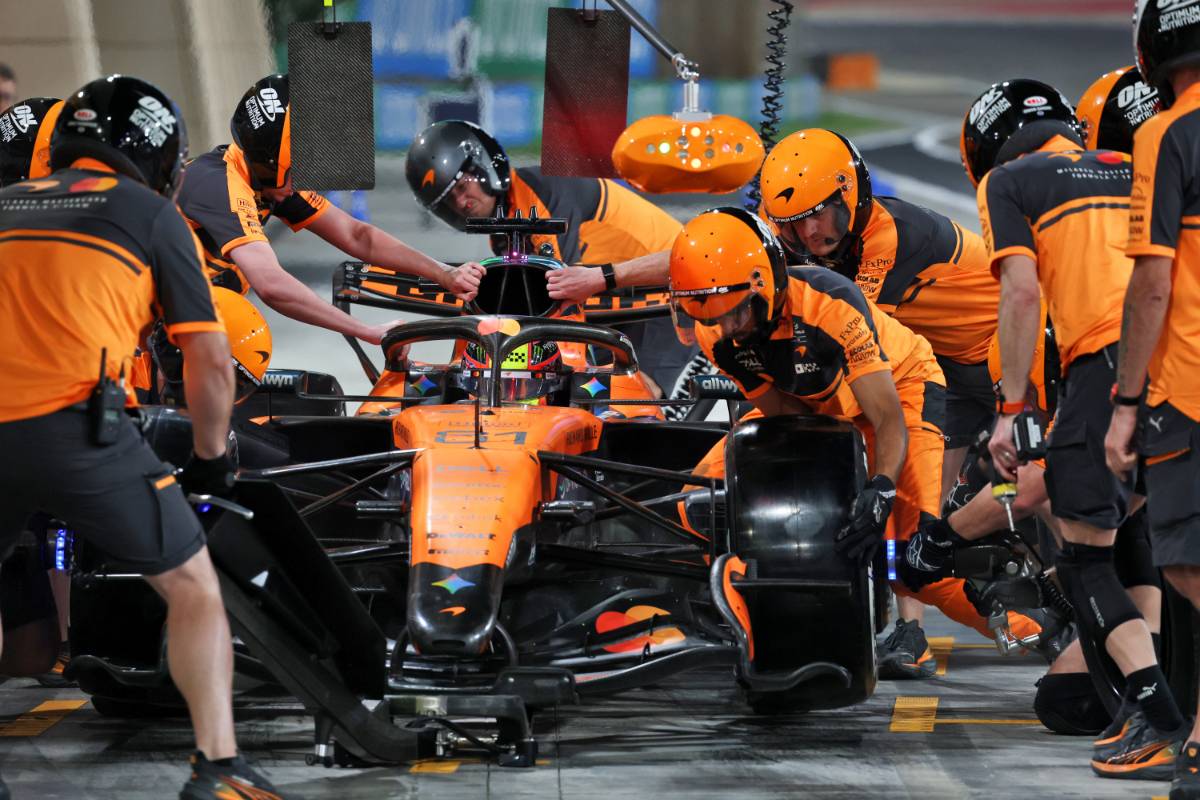
Managing the new hybrid power units could be decisive.
“To be in condition to compete at the front and challenge for the race victory, you will need to have done a very good job on managing the power unit. This is something you need to be on top of.”
And as for the competitive landscape? Marshall foresees “a fascinating season” ahead.
“The development race will be intense, and it has been harder than ever to judge the pecking order in testing.
“I think we are in the leading group alongside some very strong competition, such as Ferrari, Mercedes, and Red Bull, but there are lots of elements throughout the 2026 season that could provide some surprises. We’re looking forward to getting the season underway.”
Convergence may come. But for now, Formula 1’s new era is gloriously unpredictable – and McLaren intend to stay at the sharp end of it.
Keep up to date with all the F1 news via X and Facebook