

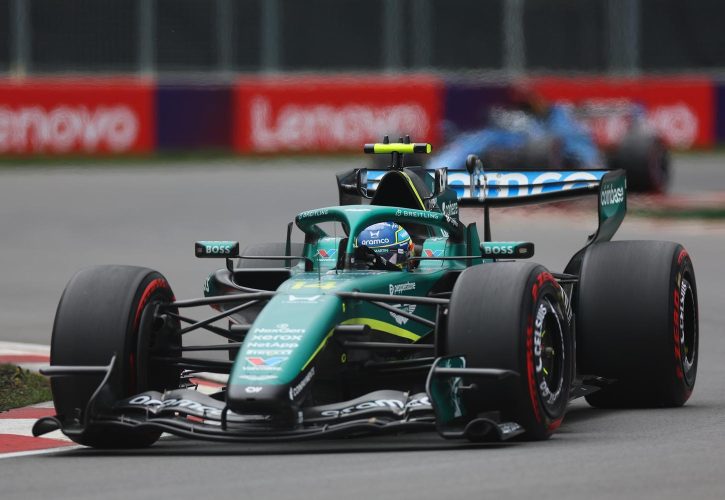


For 23 laps in Montreal, Fernando Alonso fought through discomfort that had already ruined part of his weekend. Then the pain became too much.
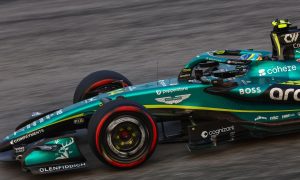
The veteran Spaniard parked his Aston Martin during the Canadian Grand Prix after an ongoing seat issue turned an already difficult race into a physical ordeal.
By the time Alonso climbed out of the car at Circuit Gilles Villeneuve, points were already well out of reach and the weather chaos the team had hoped for never arrived.
Instead of gambling on an unlikely turnaround, Alonso and Aston Martin made a blunt decision: enough was enough.
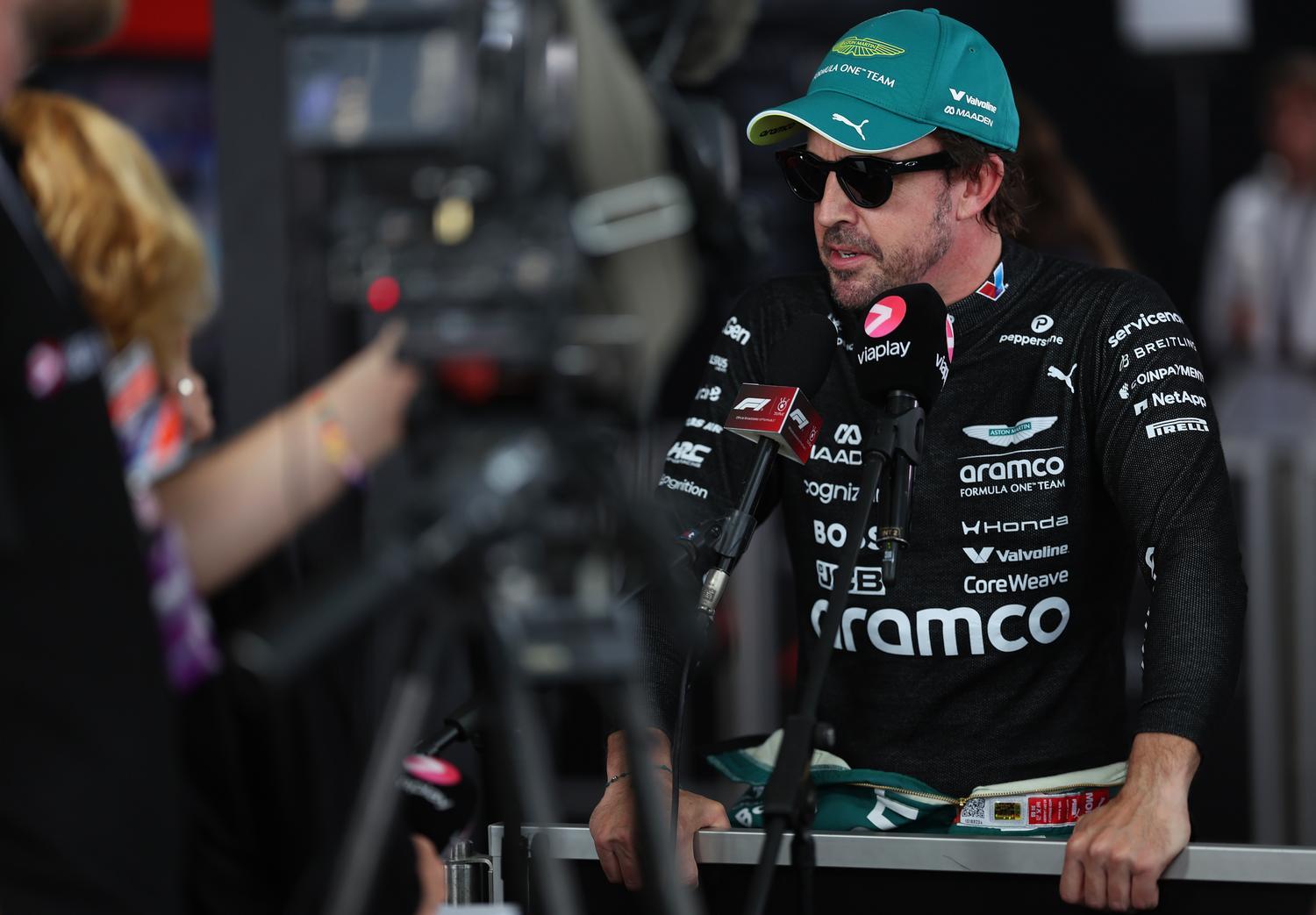
“We had this seat issue where I feel more and more uncomfortable with the laps,” he told reporters after his retirement.
“The position doesn't feel the right one, and yeah, we were obviously out of the points, quite far from the points, and no threat of rain anymore. So we decided to stop the pain.”
The problem was not new. Alonso had already experienced the same discomfort during Saturday’s sprint race, prompting Aston Martin to attempt overnight modifications before Sunday’s main event. Those changes failed to solve the issue.
“We tried to modify a few things last night, didn't work, so we try to make a new one for Monaco.”
Searching for answers
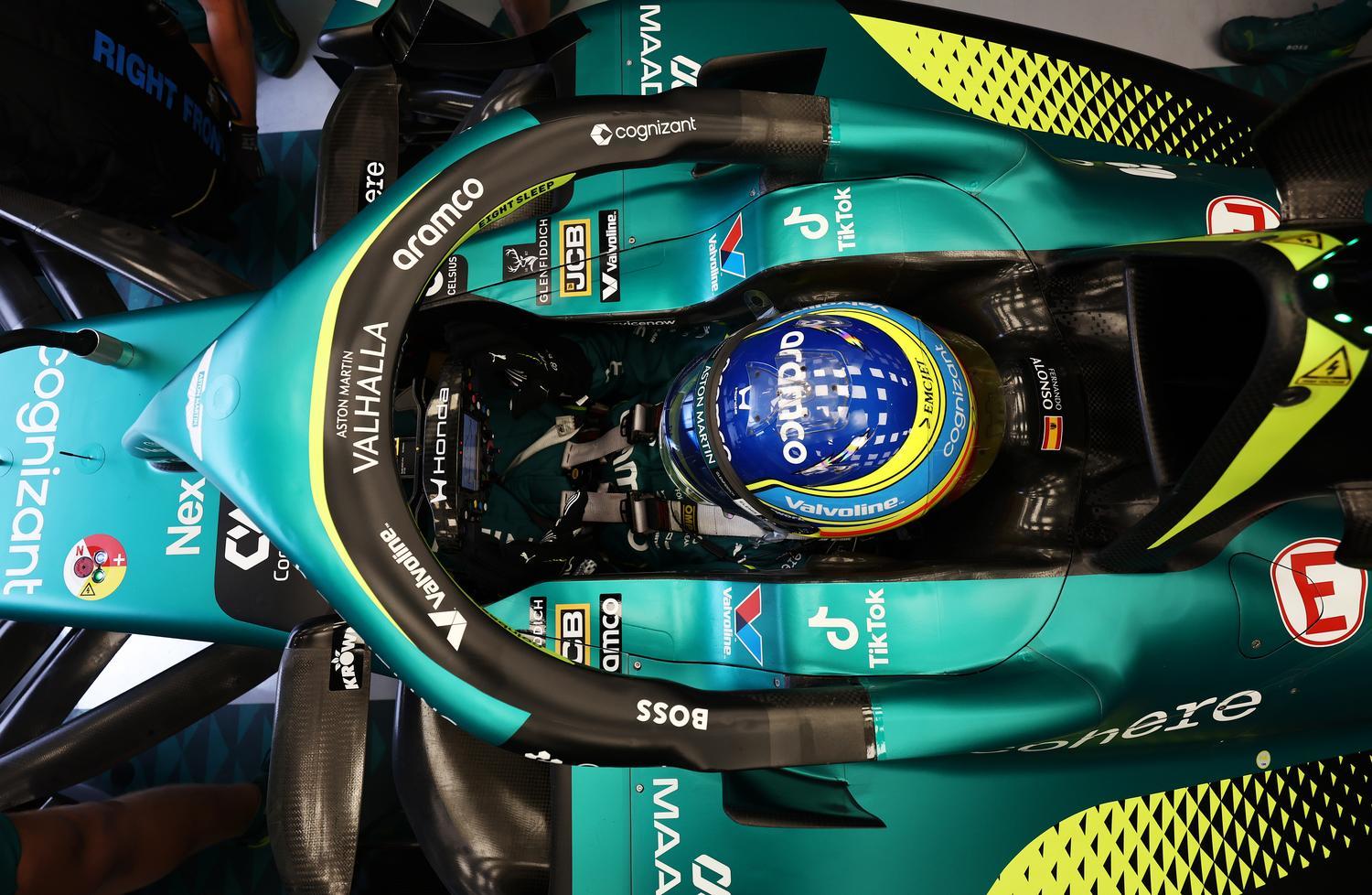
Aston Martin trackside chief Mike Krack admitted the team may have pushed cockpit positioning too far in its pursuit of performance.
According to Krack, Alonso’s discomfort had been building over time rather than appearing suddenly in Canada.
“He has been uncomfortable for a while,” he said. “And never to the point where it was really like a showstopper, but it's like a pressure point, you feel it gets worse and worse, and I think we need to reconsider a little bit the positioning.”
©Aston Martin
Modern Formula 1 cockpit layouts have evolved dramatically in recent years, with drivers placed increasingly low inside the chassis to optimize packaging and aerodynamics. Krack suggested Aston Martin may now need to reverse course.
“You try with these cars to be as low as you can, and when you look at how the drivers used to sit over the last years, it goes more and more and more into lying positions.”
“We need to check – maybe we have done a step too far, but it's something we need to check.”
“I think we need to reconsider, maybe a little bit, going back to how we have been in the past.”
Brief hope before reality hit
Before the race unraveled physically and competitively, Alonso at least managed to inject some energy into Aston Martin’s afternoon with an aggressive opening stint on soft tyres.
As rivals on intermediates headed for the pits, Alonso attacked the slippery early conditions and briefly climbed into the top 10 – his first appearance in the points all season.
“It was a coincidence with the soft tyre,” he said. “And then some people on inters, and taking some extra risk in the first two corners – some of the people cannot afford to because they are in the points and they are in a strong position, but yeah, I could take more risk.”
©Aston Martin
The charge did not last. Once conditions stabilized, Alonso slipped back toward the rear of the field — a pattern he admitted has become painfully familiar for Aston Martin in 2026.
“The same as has been always," he said. "We do good starts, sometimes, we're completely out of position, and then we slowly fall behind, we lose one position each lap, and then you arrive to your natural position at the back.
"But this is the situation, and it be like this until after summer. So we accept it, and we answer the same questions every weekend, but we are relaxed with this.”
Small gains, bigger problems
Despite the frustration of another difficult weekend, Alonso insisted Aston Martin is still making incremental progress behind the scenes.
“There is progress always,” he said. “Every time we hit the track, there are some new things on the car, and on the engine, on the settings, on the gearbox.”
“From Miami to here, we improved a lot the gearbox, the gear sync, the downshifting.”
“How that translates into lap time is difficult to quantify, but definitely we were faster here than Miami with exactly the same car, just because we fine-tuned things.”
The two-time world champion believes more small improvements are coming in the short term, but he was equally clear that Aston Martin’s deeper performance deficit cannot be solved through setup tweaks alone.
“So I expect a lot of a lot of small things happening between here and Monaco, and hopefully another step forward, but the fundamental problem and the three seconds of the pace will have to come from the power of the engine and from the aero package, and that will only come in the second part of the year.”
Keep up to date with all the F1 news via X and Facebook