


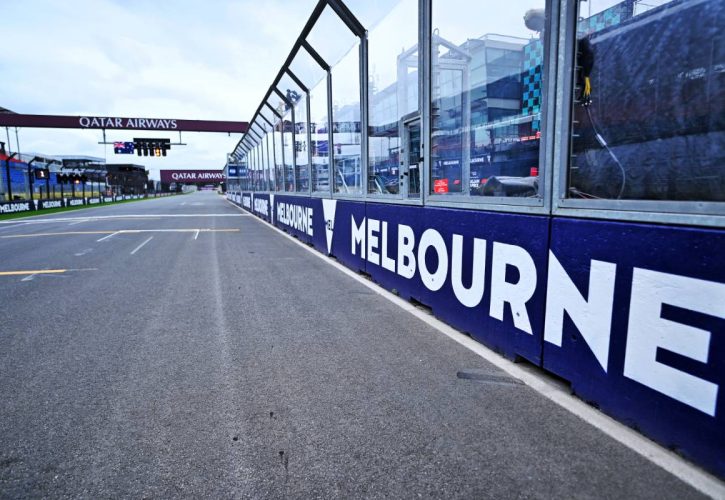


The FIA has opted to suspend mandatory curfew regulations for Wednesday and Thursday at the Australian Grand Prix, as Formula 1 teams scramble to recover from significant travel chaos caused by the escalating conflict in the Middle East.
The decision comes after a series of geopolitical events, including a coordinated military strike by the United States and Israel on Iran on February 28, led to widespread airspace closures.
This resulted in the grounding of flights and the disruption of major transit hubs in Dubai, Abu Dhabi, and Qatar – critical connection points for personnel traveling from Europe to Melbourne.
Emergency Logistics and Charter Flights
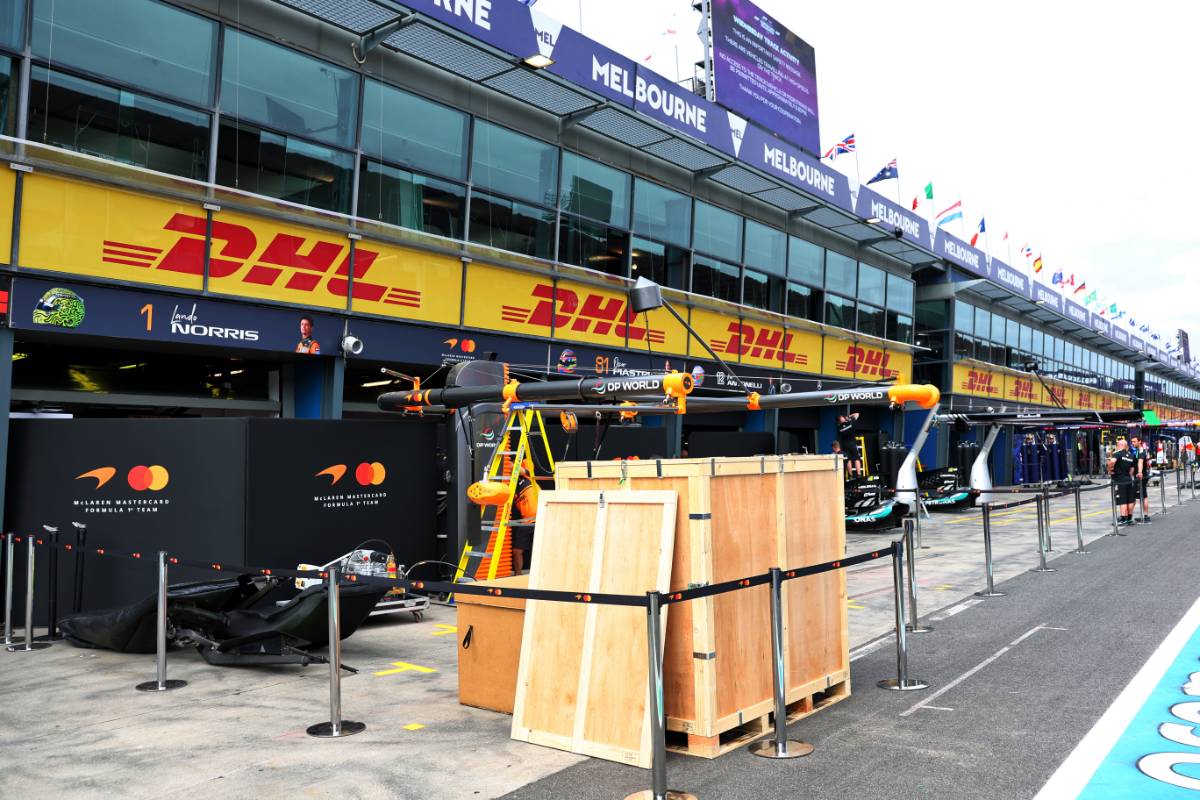
The disruption left hundreds of team members and officials stranded, forcing Formula 1 to organize emergency charter flights to ensure the season opener could proceed.
One British Airways charter successfully transported staff from 10 of the grid’s 11 teams, as well as F1 officials, via a detour through Singapore.
While most of the paddock was impacted, Ferrari and Racing Bulls were reportedly hit hardest. Both teams saw their entire crews trapped in Italy before eventually securing a flight out of the United Kingdom.
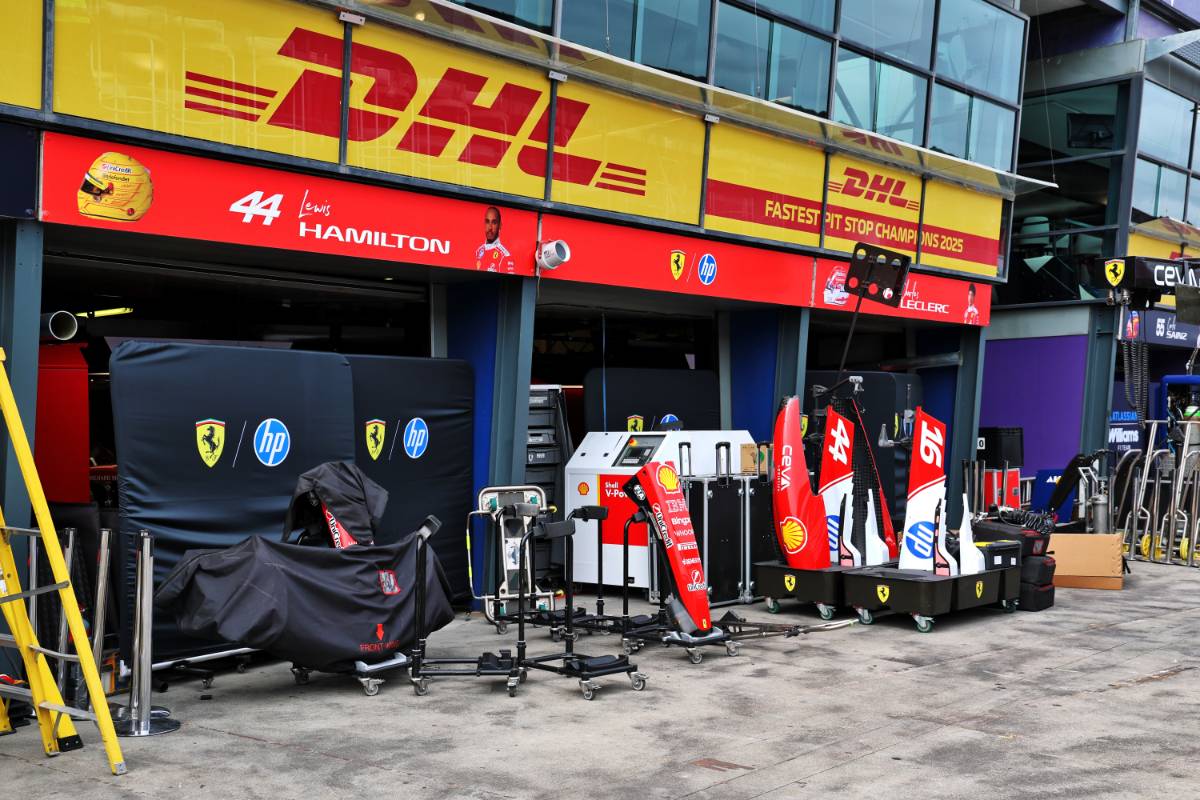
Although these teams have finally arrived at Albert Park, the delay has left them significantly behind their traditional preparation schedules for the first race of the year.
The FIA’s Official Response
Recognizing that teams are facing a logistical "force majeure" through no fault of their own, F1 race director Rui Marques notified the 11 entrants on Wednesday that the mandatory rest periods would be waived to allow mechanics to catch up on car builds.
In a formal statement to the teams, the FIA confirmed the lifting of the restrictions:
“We wish to inform you that, following consultation with the stewards of the meeting, due to force majeure and specifically ongoing travel and freight disruptions experienced in the preparation of the Australian Grand Prix, the provisions of Article B9.5.1a i.e. ‘Restricted Period 1’ and Article B9.5.1b i.e. ‘Restricted Period 2’ shall not apply at this Competition.”
Uncertainty Over Middle Eastern Rounds
Beyond the immediate logistical hurdles in Melbourne, Formula 1 is closely monitoring the escalating situation in Iran to determine the viability of the upcoming Bahrain and Saudi Arabian Grands Prix.
With the conflict showing no signs of de-escalating, a final decision on whether these events can proceed as scheduled will be required in the very near future.
The instability has already forced other major motorsport series to pivot. Earlier this week, the FIA World Endurance Championship (WEC) officially postponed its season opener and pre-season test in Qatar, which was originally slated to take place in just two weeks.
While Formula 1 has a slightly longer five-week buffer before it is due to arrive in Bahrain, the immense logistical requirements of the sport mean a definitive "go or no-go" call cannot be delayed indefinitely.
Current indications suggest that F1 leadership will use the one-week gap between the Chinese and Japanese rounds to make a final assessment.
Read also:
Officials will have to decide whether a visit to the Middle East remains viable or if the rounds in Bahrain and Jeddah must be struck from the 2026 calendar entirely.
Despite intense speculation regarding potential replacement venues, insiders suggest that standing up a last-minute race elsewhere is highly unlikely. Given the complex commercial agreements and the sheer scale of the freight involved, replacing the Middle Eastern double-header on such short notice appears unfeasible under current global conditions.
Keep up to date with all the F1 news via X and Facebook