



Melbourne will once again have the honour of raising the curtain for the Formula 1 season, with the action unfolding as usual around the unforgiving semi-street layout of Albert Park Circuit.
The 5.2-km track blends high-speed straights with flowing medium-speed corners and several heavy braking zones, making it a demanding venue for both energy management and tyre degradation under Formula 1’s all-new 2026 regulations.
Overtaking opportunities traditionally arise into Turns 1, 3 and 11, but track position often proves crucial as drivers look to manage tyre wear and battery deployment across the race distance.
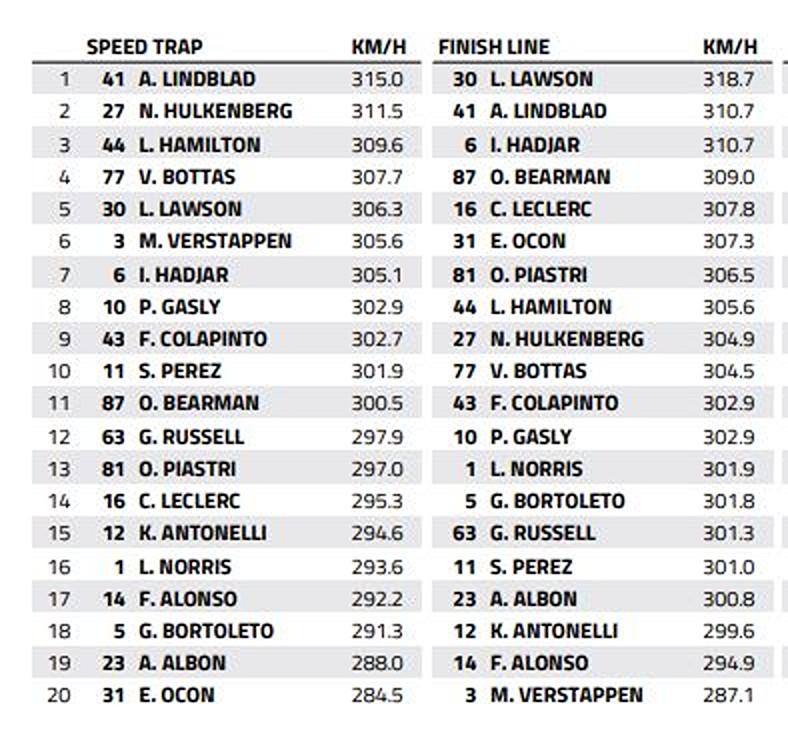
Saturday’s qualifying speed trap offered an intriguing glimpse into straight-line performance under the new regulations. Rookie Arvid Lindblad topped the charts at 315 km/h, ahead of Nico Hülkenberg (311.5 km/h) and Lewis Hamilton (309.6 km/h).
Further down the list, several frontrunners appeared relatively conservative in outright top speed: pole-sitter George Russell recorded 297.9 km/h, while Lando Norris and Charles Leclerc were even lower at 293.6 km/h and 295.3 km/h respectively.
Those figures hint at differing aerodynamic philosophies and - perhaps more importantly - energy deployment strategies or skills, a key theme in this first race weekend of the new era and likely this season.
Mercedes Sets the Pace – But Sunday Is Another Story
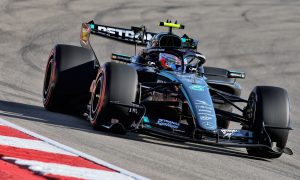
Qualifying suggested that Mercedes currently holds the upper hand, with George Russell leading a commanding front-row lockout alongside rookie team-mate Kimi Antonelli. Their advantage over the chasing pack was striking, with Red Bull’s Isack Hadjar the closest challenger but still almost eight tenths adrift.
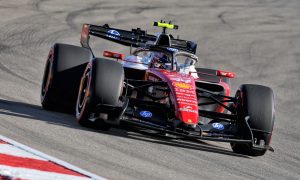
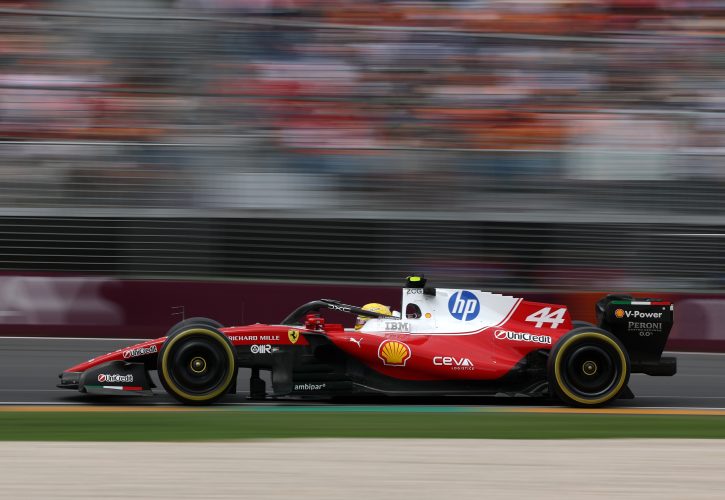
Ferrari, meanwhile, endured a more complicated session. Charles Leclerc will start from the second row but nearly a second off pole, while Hamilton’s seventh place leaves the Scuderia with work to do if it wants to challenge the Silver Arrows on Sunday.
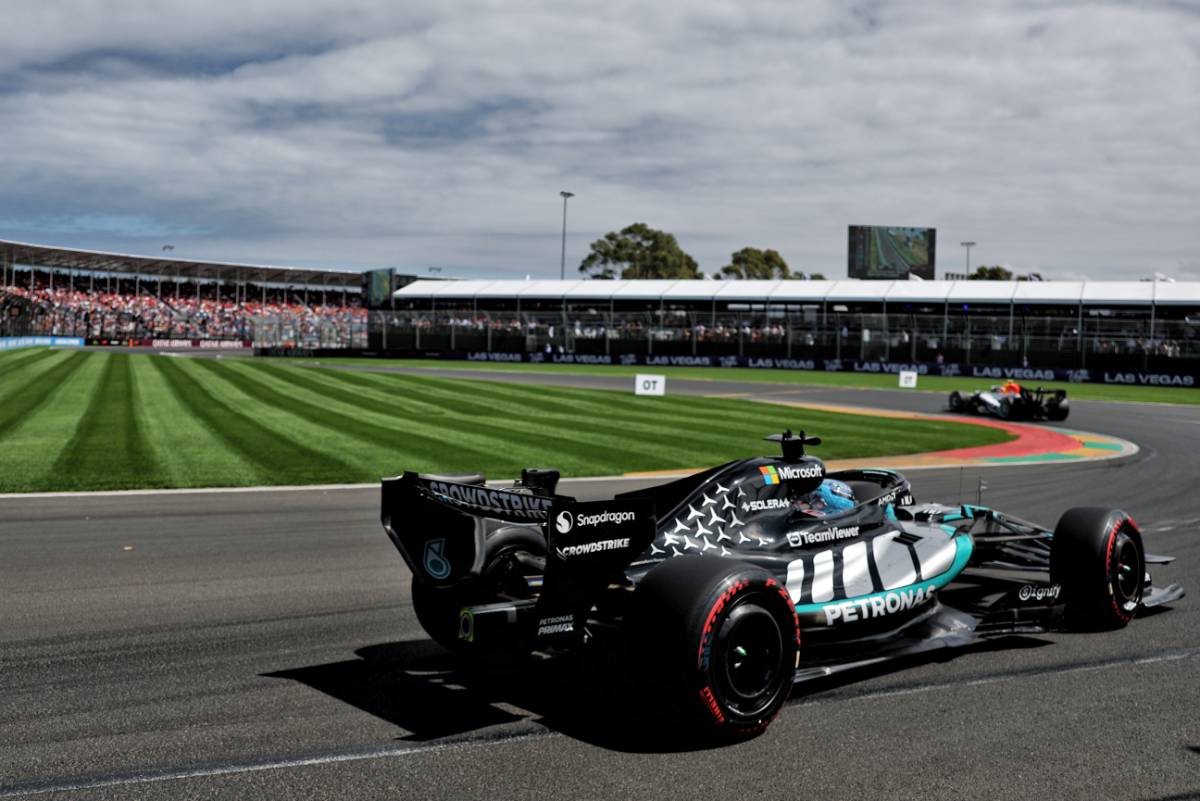
However, interpreting the true competitive order remains tricky. With the new power units placing a heavy emphasis on energy harvesting and deployment, teams are learning in real time how to balance outright pace with battery management.
Drivers have already reported the need for significant lift-and-coast phases, meaning one-lap pace may not translate directly into race dominance.
Tyre Strategy in Play
According to Pirelli, all three compounds could feature strategically on Sunday. The Medium–Hard one-stop is theoretically the fastest strategy, with the pit window projected between laps 20 and 26.
Yet teams may also gamble with the Soft (C5) at the start, switching to the Hard (C3) between laps 15 and 21 if degradation proves manageable.
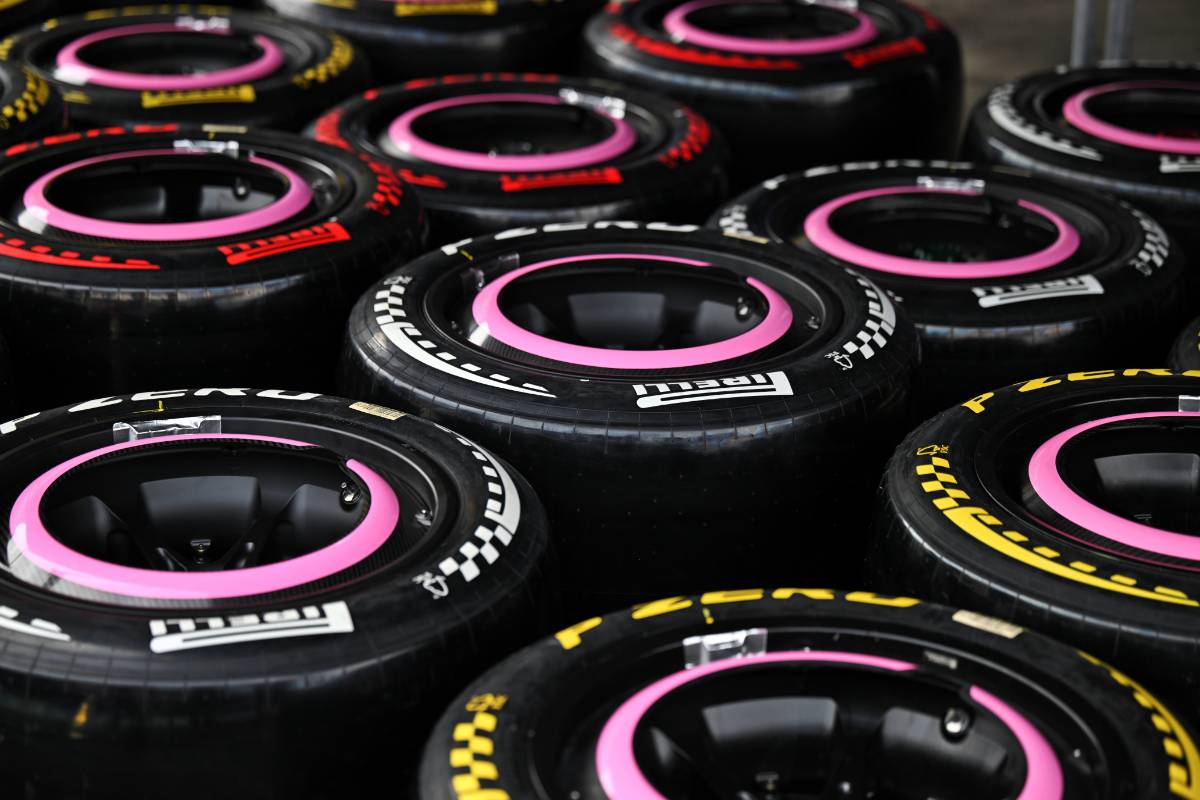
A pit stop at Albert Park costs only about 21 seconds, and history suggests interruptions are likely. With a 75% probability of a safety car, two-stop strategies such as Medium–Hard–Medium or the aggressive Soft–Medium–Soft could quickly come into play.
Conditions look ideal for the race, with temperatures around 26°C under sunny skies. While the weather should provide a perfect backdrop for fans in Melbourne, the teams face a far less predictable challenge: deciphering the true pecking order in Formula 1’s brand-new era.
Tomorrow isn't just a race; it's a 300km science project. The driver who best masters the dashboard –rather than just the throttle – will stand atop the Melbourne podium.
Keep up to date with all the F1 news via X and Facebook