



In a clear signal that all is not quite right beneath the surface, Red Bull has confirmed a shake-up of its technical structure, aimed at sharpening performance and spurring innovation within its engineering department.
And while the team is framing the changes as part of a long-term vision, the timing tells its own story.
Because right now, Red Bull has a car that is neither blistering fast or predictable.
Max Verstappen, as ever the team’s reference point, has been wrestling with a machine that can look competitive one moment and temperamental the next.
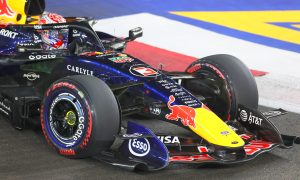
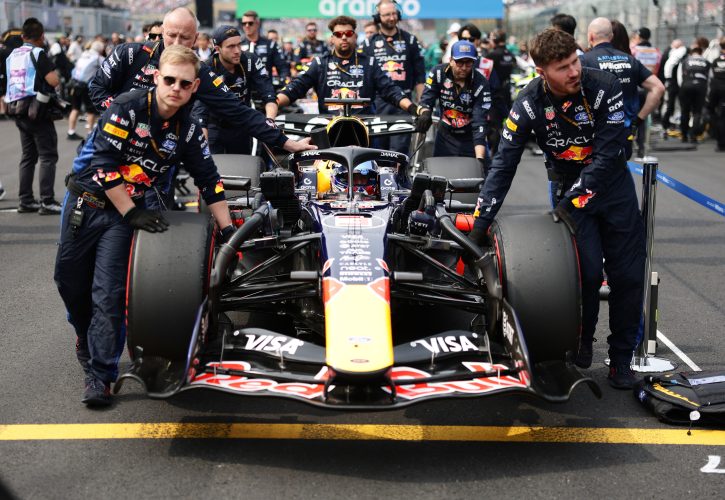
The new-era RB22 design introduced under Formula 1’s latest regulations has proven difficult to master, with inconsistent behaviour becoming a recurring theme across race weekends.
New structure, sharper focus
At the centre of the overhaul is Ben Waterhouse, a long-serving figure within the Red Bull system, who steps into an expanded role as Chief Performance and Design Engineer.
It’s a significant promotion – one that effectively unites two critical pillars of the team’s operation: car design and on-track performance.
By bringing those areas under a single leadership umbrella, Red Bull is aiming to streamline decision-making and close the loop between concept and execution – something that has arguably been lacking as it grapples with the quirks of its 2026 car.
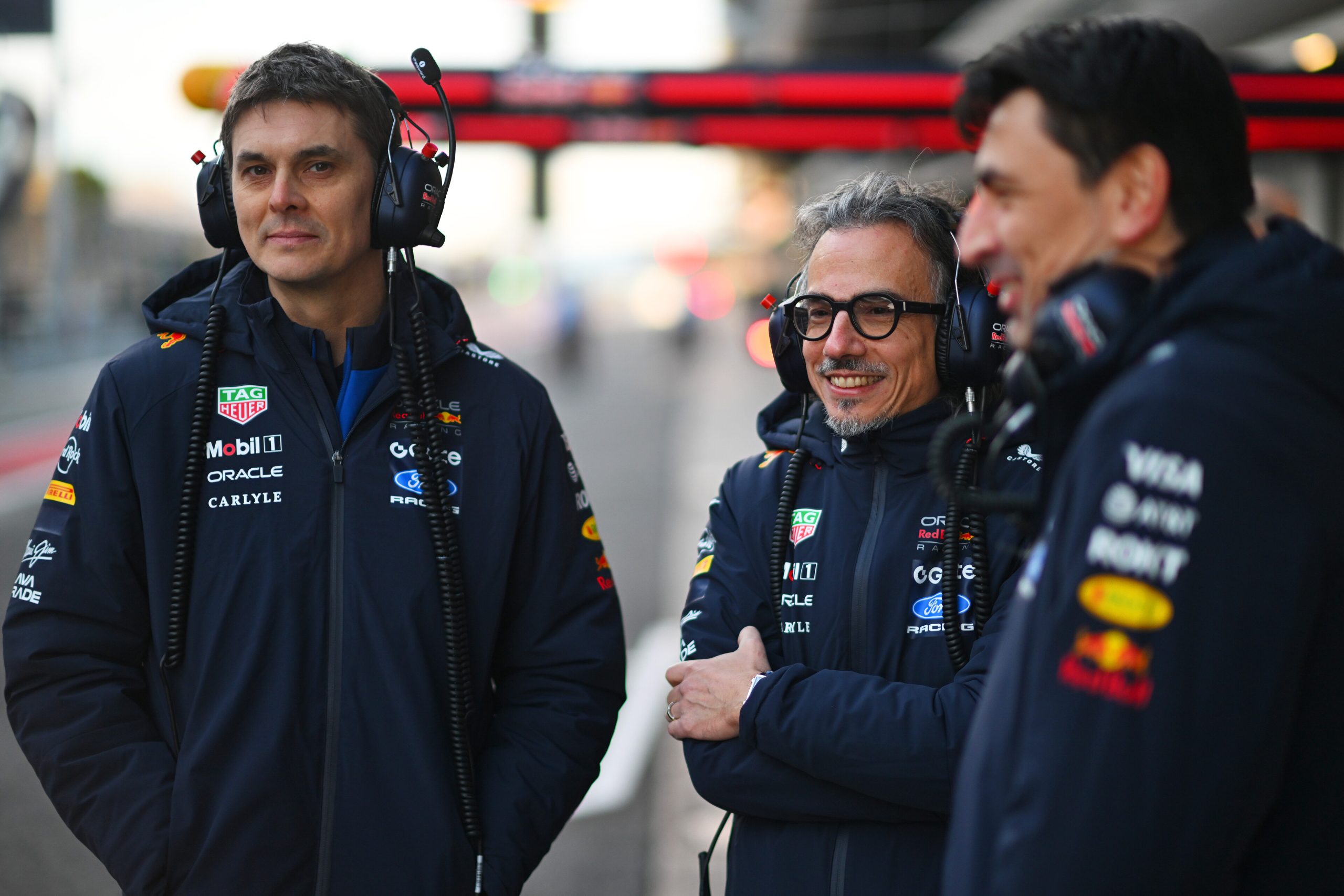
Red Bull Chief Performance and Design Engineer Ben Waterhouse with team boss Laurent Mekies and Pierre Waché.
Waterhouse, who has been with the wider Red Bull family since 2014 and a key figure in performance engineering since 2017, will now report directly to Technical Director Pierre Wache. The message is clear: fewer silos, faster solutions.
And there’s more reinforcements on the way.
From July, Andrea Landi will join as Head of Performance, adding serious pedigree to the mix after senior roles at Ferrari and most recently within the Red Bull sister structure Racing Bulls where Dan Fallows is set to begin his tenure as the Faenza squad's techncial director.
His arrival is designed to inject fresh perspective – and perhaps a different way of interpreting the data that has so far produced an unpredictable package.
A response to a shifting competitive landscape
Red Bull insists the changes are part of a broader commitment to innovation and internal growth. But in Formula 1, structural tweaks rarely happen in a vacuum.
With rivals making gains under the new regulations and Red Bull no longer enjoying the same dominant cushion it once had, the pressure to adapt is mounting. The team that once set the standard is now being forced to respond—and quickly.
For Verstappen, the hope is simple: a fast car that behaves the same way twice.
For Red Bull, the stakes are bigger. This isn’t just about fixing a difficult machine – it’s about ensuring that, in a new era of Formula 1, it remains among the field’s front-runners.
Keep up to date with all the F1 news via X and Facebook