

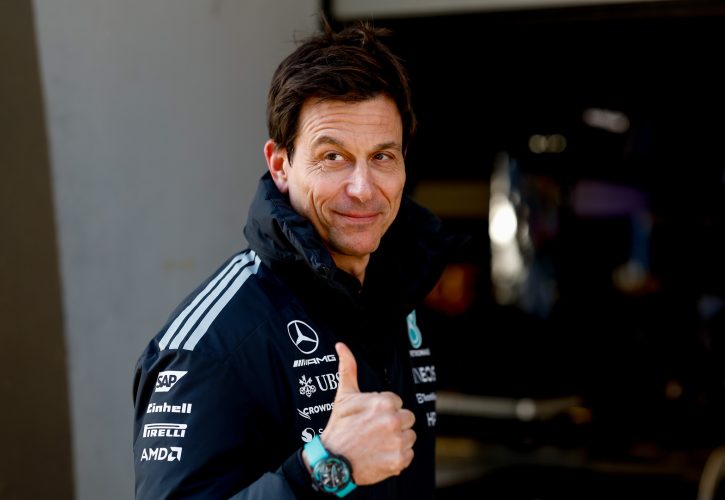


Mercedes F1 boss Toto Wolff sees a tighter field lining up on the grid in Miami this weekend following the latest changes to Formula 1’s regulations and energy management rules.
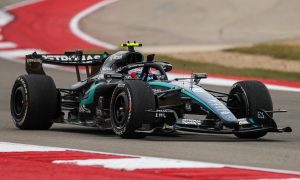
Mercedes arrives in Florida with a perfect record so far in 2026, three races, three wins, and the early scent of dominance hanging in the air.
But beneath that polished surface, there’s a growing suspicion that the pecking order may be about to get shaken up – and not subtly.
A five-week break, triggered by the cancellations of Bahrain and Saudi Arabia, has given every team something rare in modern F1: time. Time to rethink, refine, and potentially reload.
After a month without racing, we are ready to get back on track,” said Wolff ahead of this weekend’s round of racing in Magic City.
“We’ve used this break to analyse the opening races honestly, address our weaknesses and continue to raise our level.
“We’ve started the season well, but that counts for very little if you stand still. We also know that our competitors will have used this time effectively to improve their packages and build a deeper understanding of their cars, so we expect the field to be closer in Miami.
“That’s the reality of F1; it’s a challenge we not only welcome but must rise to.”
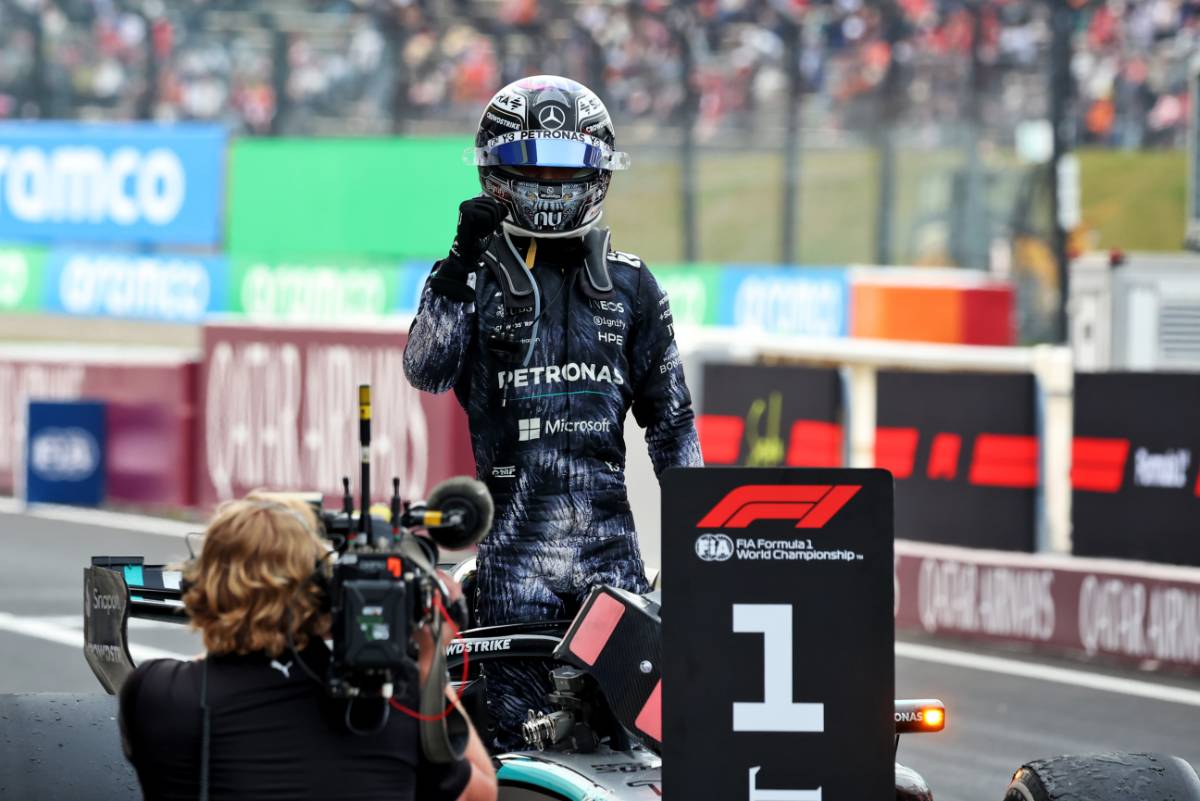
That warning carries weight. While Mercedes has been flawless on paper – George Russell striking first in Australia before Kimi Antonelli doubled down in China and Japan – the narrative may not be as secure as the standings suggest.
Ferrari boss Fred Vasseur has already hinted that Miami could mark the “start of a new championship,” and Wolff’s tone suggests he’s not dismissing that idea. Quite the opposite – he’s bracing for it.
Tweaks, tension, and a touch of chaos
Adding another layer to the intrigue are the subtle but potentially significant regulatory tweaks introduced during the break.
Designed to sharpen qualifying, reduce energy management quirks like superclipping, and improve safety in tricky conditions, they may not rewrite the rulebook – but they could absolutely shuffle the deck.
“As a sport, we have also used this time to engage in constructive and open dialogue with all stakeholders,” added Wolff.
“The regulatory tweaks are an evolution rather than a revolution, designed to build on the quality of racing we’ve seen so far while allowing the drivers to push to the limit.
“These changes respect the DNA of our sport and I’m confident they will contribute to an even stronger spectacle going forward.”
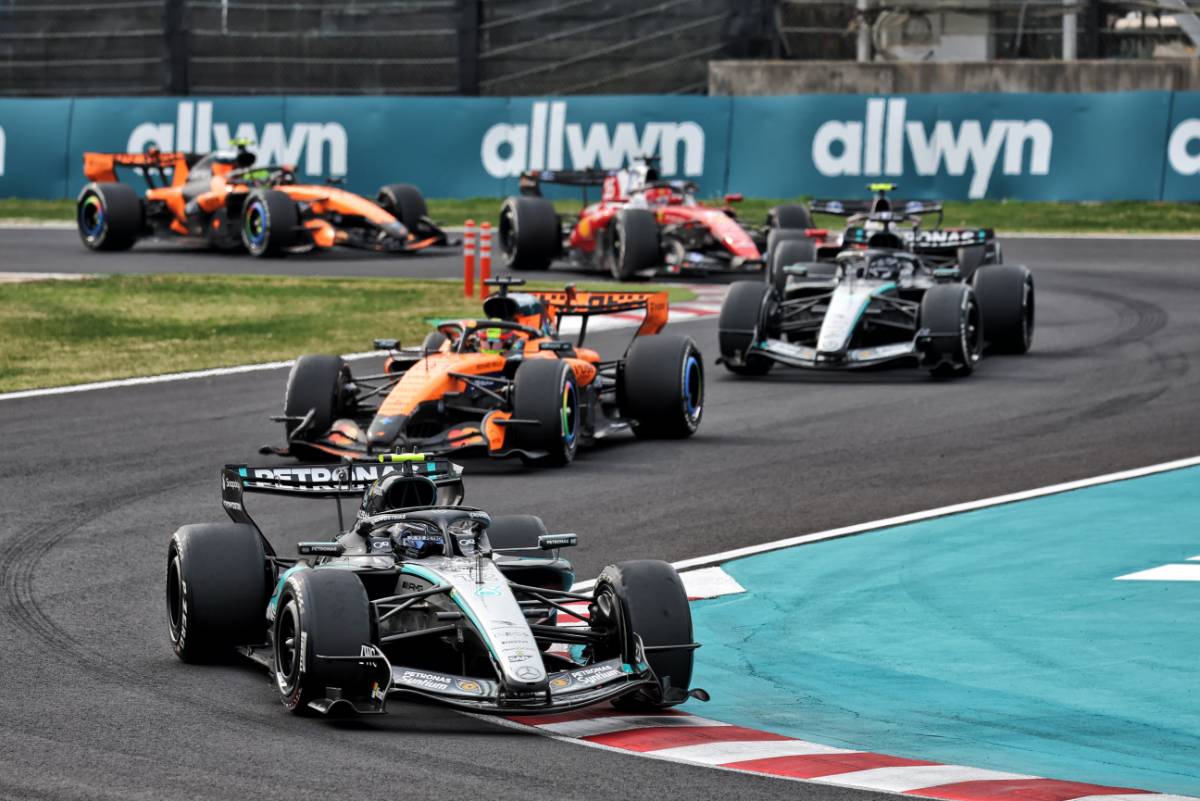
On paper, Miami might not be the ultimate proving ground for these changes. Its layout doesn’t stress energy deployment quite like Montreal will in two weeks’ time. But with rain looming in the forecast, the first real test could arrive sooner – and messier – than expected.
And that’s where things get interesting. Because if the field really has compressed, as Wolff predicts, then even marginal gains – or missteps – could swing the balance.
A dominant Mercedes suddenly under pressure. Rivals lurking closer than before. A grid recalibrated not by one big change, but by dozens of small ones converging at once.
Miami, then, may not just be a race. It might be the moment the season snaps into a different shape.
Keep up to date with all the F1 news via X and Facebook