

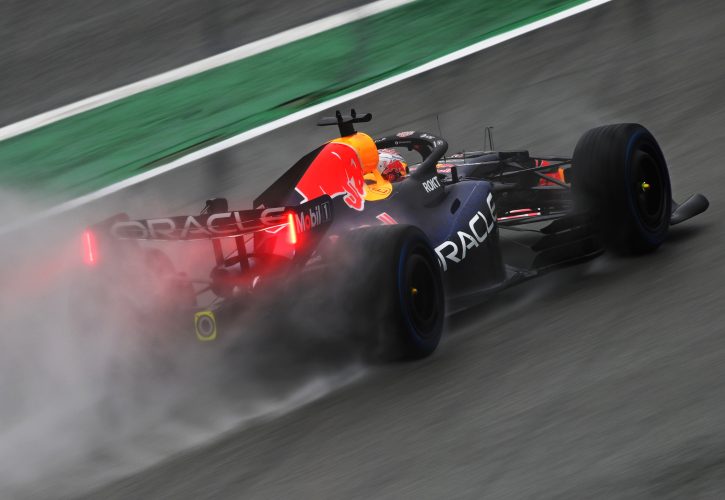


Starting from this weekend’s Miami Grand Prix, Formula 1 will see further regulatory adjustments introduced by the FIA aimed specifically at helping cars cope with low-grip conditions, including wet-weather running.
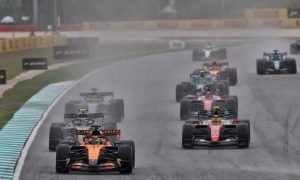
The changes arrive amid ongoing concerns from drivers about how the 2026-generation cars will respond in the rain, with showers also forecast for Sunday’s race.
The FIA has stressed that these updates are an evolution of the current rules rather than a redesign of them. The priority areas remain consistent: improving qualifying, tightening racing between cars, refining starts, and addressing safety and drivability in wet conditions.
So far this season, F1 has not yet experienced a fully representative wet race, aside from limited testing in Barcelona involving Ferrari and Red Bull. However, driver feedback has already shaped the direction of these amendments, particularly regarding the combination of increased hybrid power and reduced mechanical and aerodynamic grip.
The new power units can deliver up to 350 kW instantly from the electric motor, producing sharp torque delivery that can unsettle the car on corner exit. Combined with narrower tyres and reduced downforce, the result is a car that is more reactive – and potentially more unstable – when grip levels drop.
Safety concerns drive targeted changes
The FIA’s response has focused on moderating how energy is deployed in low-grip scenarios, following discussions with teams and drivers.
“From a safety perspective, one area of intervention concerns the performance of the cars in the wet. We haven’t had a real wet situation yet, but some drivers have already expressed concerns about wet races we may eventually face – that having so much power could be problematic, as could having full boost in the rain,” explained FIA single-seater director Nikolas Tombazis.
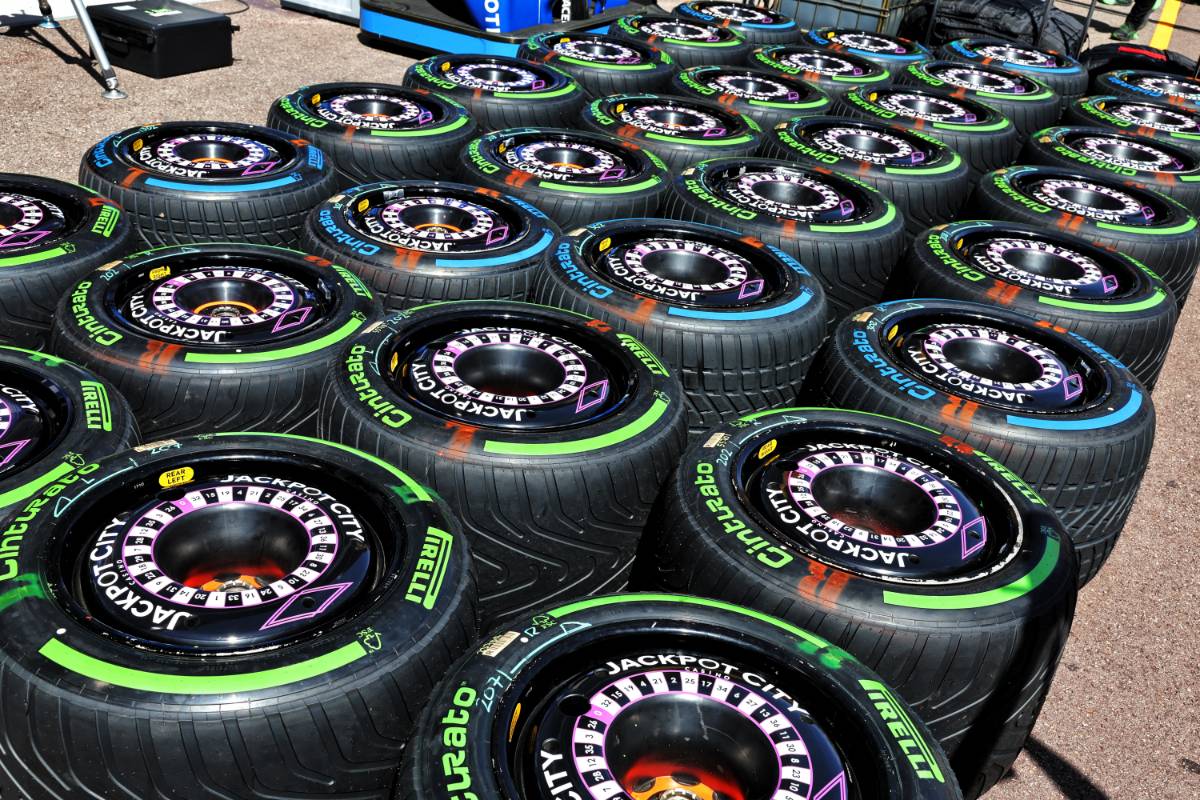
He also highlighted that driver input was central to the direction of the changes, particularly around power delivery limits in adverse conditions.
Concerns are not limited to wet weather. Even in dry running earlier this year, the FIA noted that energy deployment could create significant speed differentials between cars, increasing the risk of instability in close racing situations.
As a result, revised rules now restrict how boost can be applied in dry conditions. When electric deployment is below 150 kW, additional power can only bring it up to that threshold, preventing sudden jumps to full output when higher levels are already in use.
Wet-weather boost banned from Miami
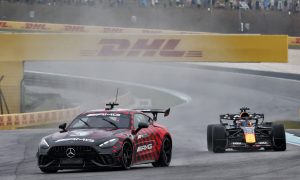
In rain-affected sessions, stricter measures apply. While overtaking assistance systems remain in place in a limited form, full boost deployment will now be prohibited entirely in wet conditions starting from Miami.
The FIA has formalised this in the sporting regulations. The updated text introduces Article B7.2.1g, which states:
“In Low Grip Conditions the use of Boost mode, as defined in in the document FIA-F1-DOC-058, will be inhibited and is not allowed.”
Read also:
The intention is to reduce sharp performance gaps between cars when visibility is already compromised by spray. Aerodynamic tweaks, including front wing adjustments, will still be allowed to help manage drag and stability, while rear wings will remain in a fixed closed configuration.
The FIA says the aim is to improve safety without altering the core character of the racing. With rain possible in Miami, the revised system could be tested almost immediately.
While the governing body continues to frame the changes as controlled refinements, the opening phase of the season suggests teams and drivers may still be adapting to how this new generation behaves when grip disappears.
Keep up to date with all the F1 news via X and Facebook