



Formula 1's engineers are rarely known for leaving performance opportunities untouched, and Monaco's unique regulatory landscape has provided them with a fresh area to explore.
The FIA's decision on the grounds of safety to eliminate active aerodynamic operation for the Monaco Grand Prix – the only event on the 2026 calendar without designated straight-mode zones – has prompted several teams to rethink how they use the space normally occupied by rear-wing activation hardware.
Rather than simply carrying inactive components around the streets of Monte Carlo, some teams have transformed the area into a source of additional aerodynamic load.
Rear wing hardware becomes aero real estate
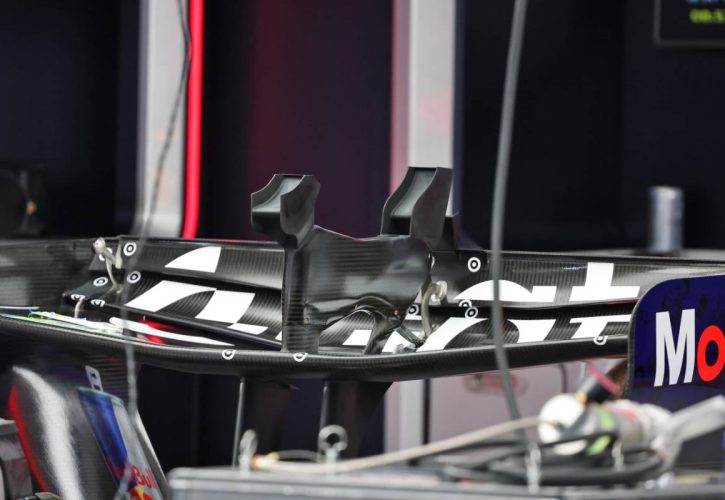
Mercedes and Red Bull were among the teams attracting attention in the Monaco paddock after unveiling compact winglet assemblies where the rear-wing actuators would ordinarily sit.
Although small in size, the structures are intended to extract extra downforce from a region of the car that regulations still permit teams to utilise.
The rulebook requires bodywork in this section to remain within prescribed volumes originally designed to house the actuator mechanisms. With those systems serving no function this weekend, engineers have instead filled the available space with carefully sculpted aerodynamic surfaces.
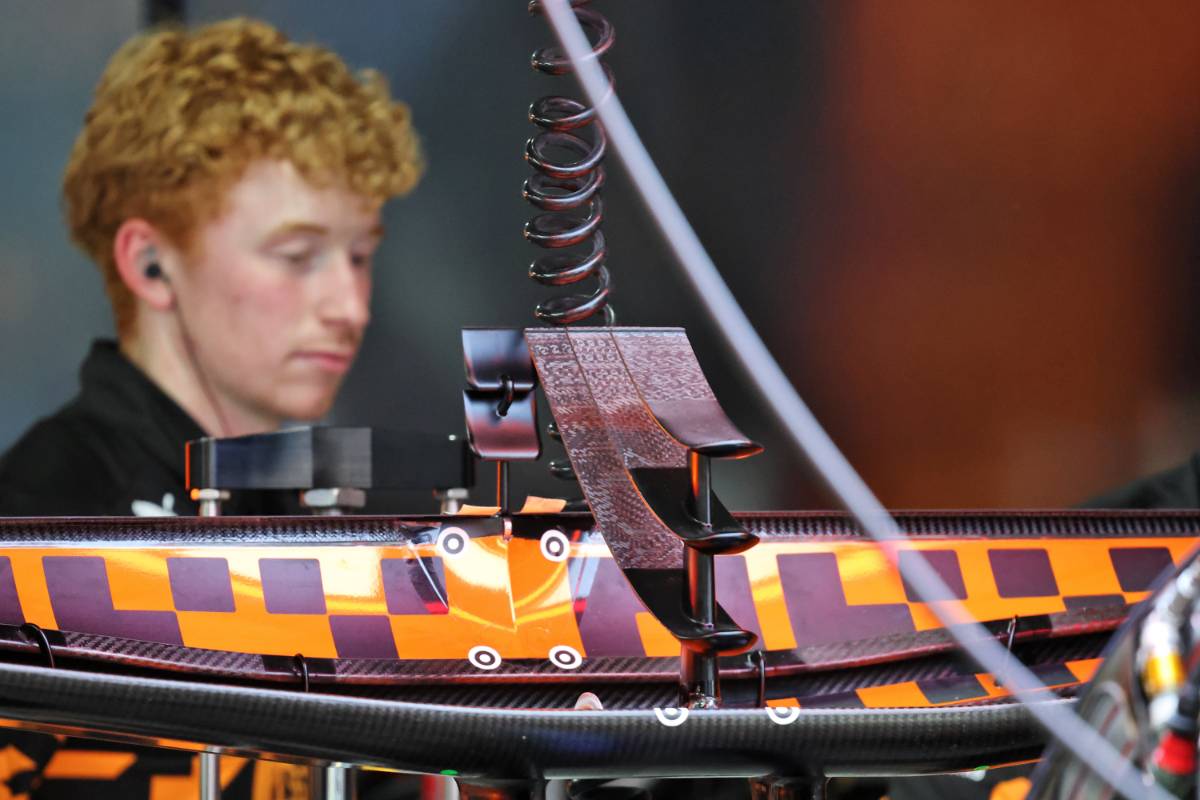
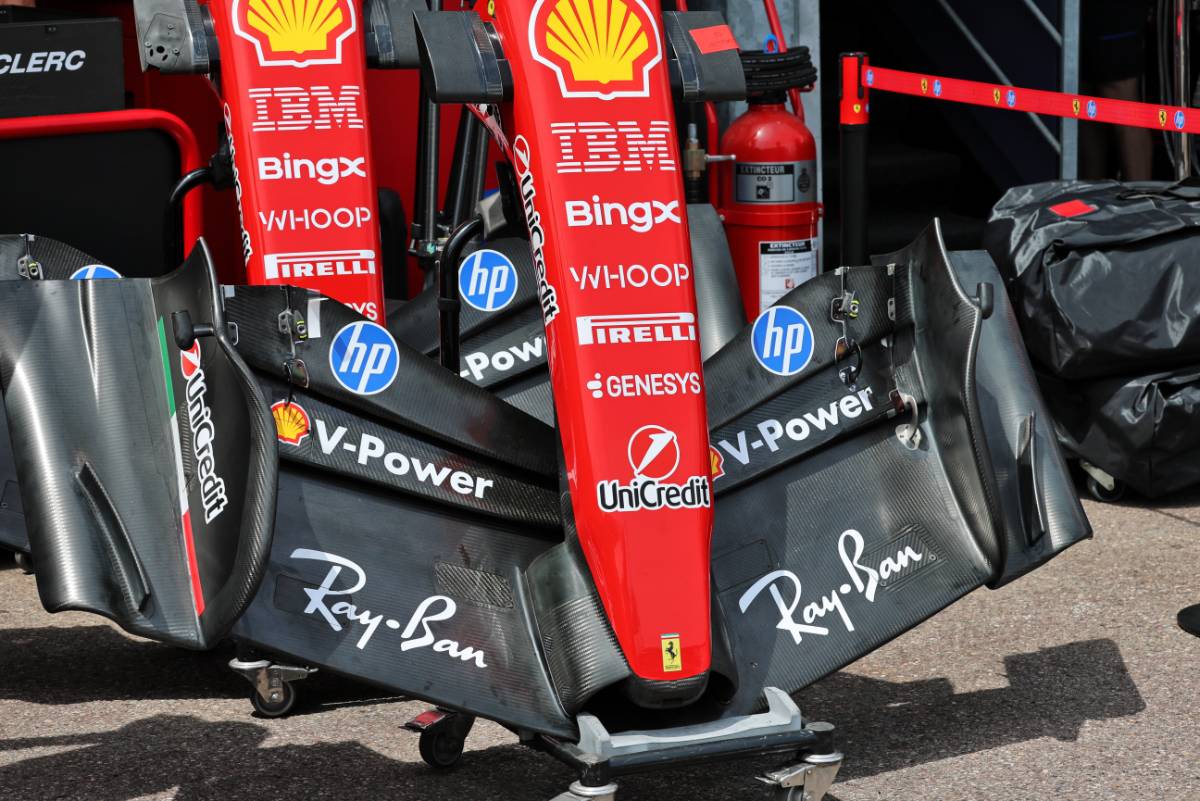
McLaren appears to have pursued a similar concept, while Ferrari has so far shown no obvious signs of developing the area. Elsewhere, Cadillac has taken a contrasting approach by removing the actuator housing altogether, and Racing Bulls has also revised its configuration.
Why Monaco encourages such solutions
The changes are particularly relevant at Monaco, where outright speed is far less important than cornering performance.
The narrow street circuit rewards cars capable of generating maximum grip through its succession of slow-speed bends, making downforce one of the most valuable commodities available to engineers.
At faster venues, additional aerodynamic load often comes with a drag penalty that can compromise straight-line performance.
Monaco largely removes that trade-off. Its short acceleration zones mean teams can afford to prioritise grip with little concern for the top-speed losses that would prove costly at circuits such as Monza or Las Vegas.
That dynamic has turned a seemingly minor regulation quirk into an opportunity for innovation.
The active aerodynamic system introduced under Formula 1's 2026 regulations was designed to reduce drag through coordinated movement of the front and rear wings, replacing the DRS concept used for more than a decade.
With no straight-mode activation permitted in Monaco, however, the system's rear-wing hardware has temporarily become a blank canvas for designers seeking extra performance.
The resulting solutions offer another example of Formula 1's relentless development culture, where even a component rendered unnecessary for a single weekend can inspire a new round of engineering creativity.
Keep up to date with all the F1 news via X and Facebook