

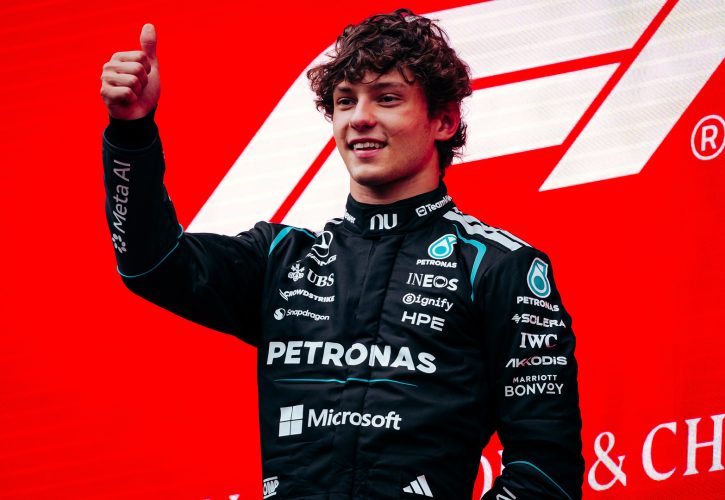


When Kimi Antonelli arrived at Mercedes last year, he looked less like a future genuine Grand Prix victor and more like a prodigy thrown into the deep end before he had quite learned how to swim.
Fast-forward to the summer break of 2026 and the Italian teenager is no longer merely surviving. He is leading the world championship, carrying six victories from 11 races and arriving at the break on a streak of five consecutive wins that has turned the paddock into a sea of silver whispers.
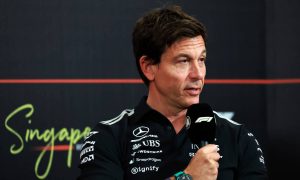
So what happened? According to Mercedes deputy team principal Bradley Lord, the answer is both simpler and more extraordinary than many imagined.
The rookie who compressed years into months
Antonelli’s first campaign was bruising. As Formula 1’s third-youngest driver ever, he skipped Formula 3 entirely, spent only a single season in Formula 2, and was then asked to fill the seat vacated by Lewis Hamilton after the seven-time champion’s move to Ferrari.
George Russell was often comfortably ahead, and the learning curve looked almost vertical. That is why Lord’s reaction to Antonelli’s transformation is so revealing.
“I've been asked a few times if I'd been surprised,” commented the Mercedes executive. “And I guess no and yes is the answer.”
“We signed Kimi and we took the decision to bring Kimi into the team because we believed in his potential. But it's also undeniable to see a driver in just his second season in Formula 1 performing with so much consistency and with a real, calm maturity is incredibly impressive.”
Lord believes the difficult rookie season may actually have accelerated Antonelli’s development rather than delayed it.
“Through that difficult first season, it's almost like he managed to do multiple seasons’ worth of learning in one, and then that's all consolidated over the winter.”
The arrival of Formula 1’s new technical regulations has also helped shuffle the competitive order.
“I'm sure there's also to some extent the reset factor of new regulations, that means every driver is on a steep learning curve with new cars and new power units and that seems over the field to have seen a re-balancing between newer drivers in the sport and older drivers as well in the teams where you can see those pairings,” he explained.
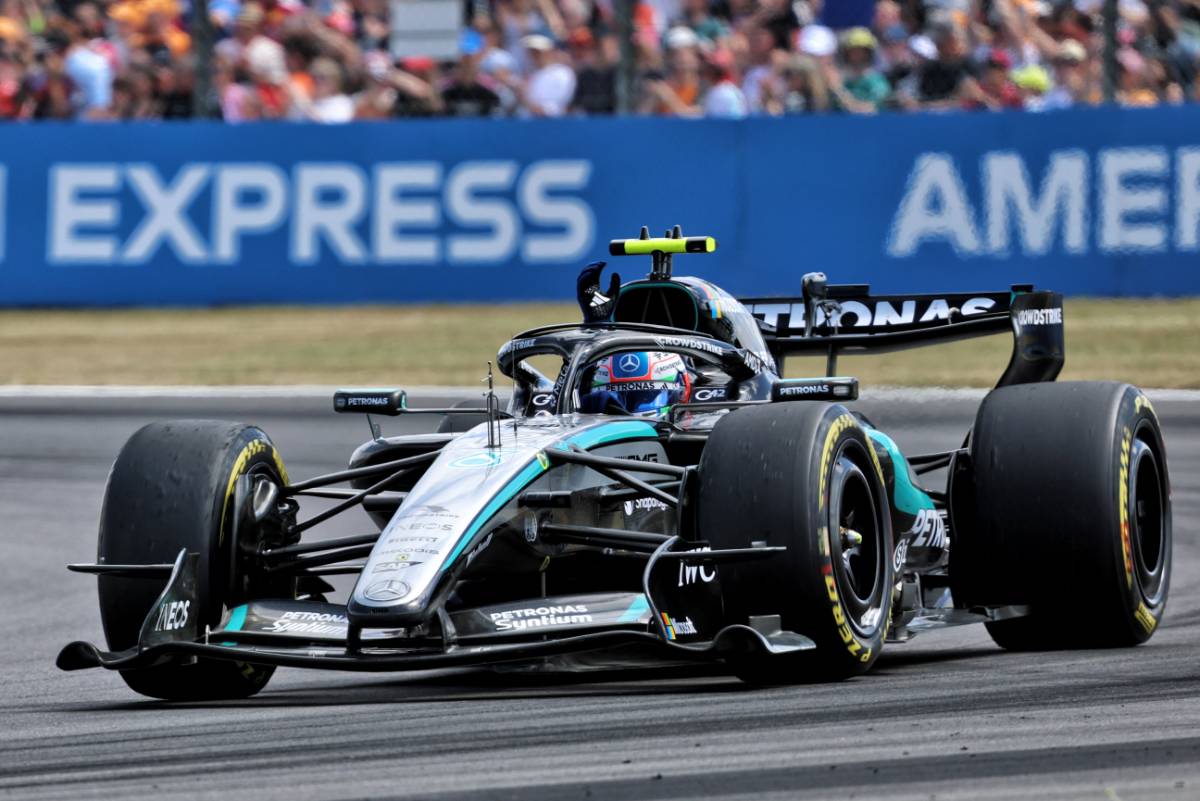
And while the numbers are spectacular, Lord insists the personality remains remarkably grounded.
“Kimi's obviously done and continues to do an incredible job, and you see his confidence and his self-confidence building from weekend to weekend, not in a way that he's getting carried away with anything,” he explained.
“His feet are very firmly on the ground and kept very firmly on the ground by his family and inside the team as well. You can just see his self-belief growing and that's really, really impressive.”
The Baku reset that changed everything
Every great sporting rise seems to have a turning point. For Antonelli, Lord points to a period around last year’s Azerbaijan Grand Prix when the young Italian fundamentally changed the way he prepared.
“I think he found the method that worked for him in order to get the most from the team, understand the effort that is needed ahead of the weekend in order to arrive prepared – because track time is such a scarce and valuable commodity, particularly in a calendar where we're seeing ever more sprint races, and therefore it's an FP1 and then you're straight into a timed session, a competitive session and such rather than a free practice session.”
©Mercedes
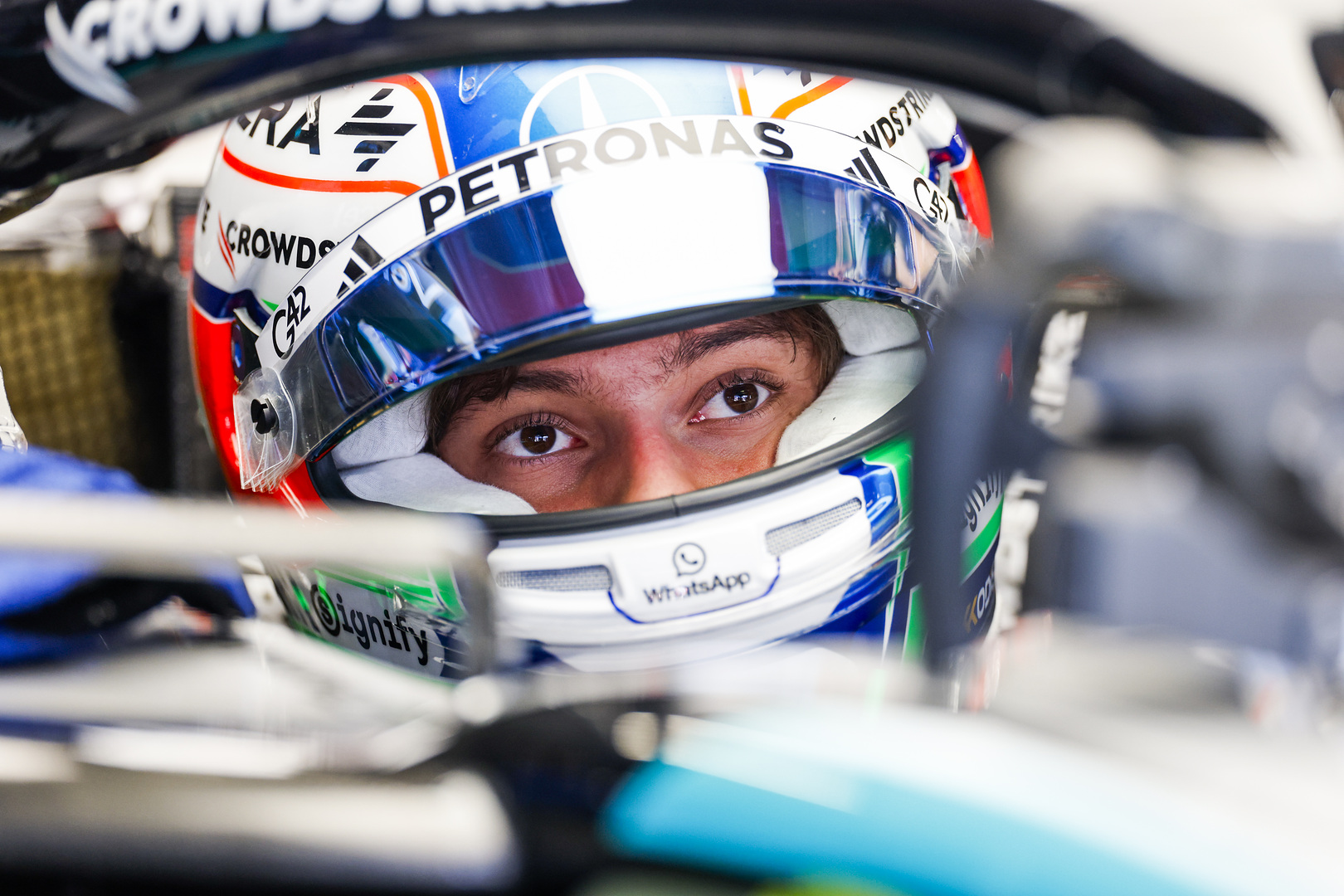
That reset involved a much deeper collaboration with race engineer Peter Bonnington and the wider Mercedes group.
“It was a really useful reset around Baku time for him to really redouble his efforts with Bono [race engineer Peter Bonnington] and the rest of the team around him, with the regularity of the visits to the sim and the intensity and depth of the work there, for him to see the opportunity that was there for him to grab and to take. And he's taking it with both hands.”
The image is striking: while rivals chased performance on track, Antonelli was quietly stacking hours in the simulator, building a foundation that would later explode into results.
Keeping the whirlwind under control
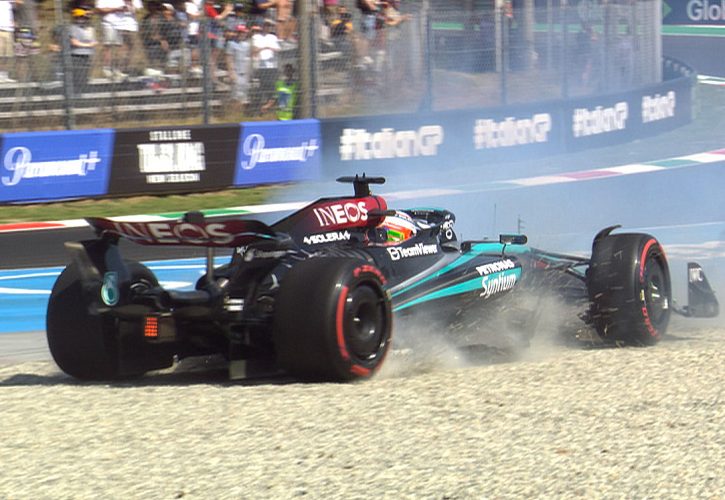
Mercedes also learned quickly that raw talent needed protection. The memory of Antonelli’s heavily hyped Monza FP1 debut in 2024 still lingers, when the eager youngster crashed on his first flying lap after attacking immediately.
Since then, the team has deliberately tried to reduce the noise around him.
“We've been very careful and very judicious with how we've tried to support Kimi's introduction to Formula 1,” Lord said.
“It's a huge step for any driver, particularly with the expectation that comes with driving for Mercedes, and so helping him not be overworked and overloaded with marketing commitments or PR stuff at the track and other events but managing that in as smooth a way as possible.”
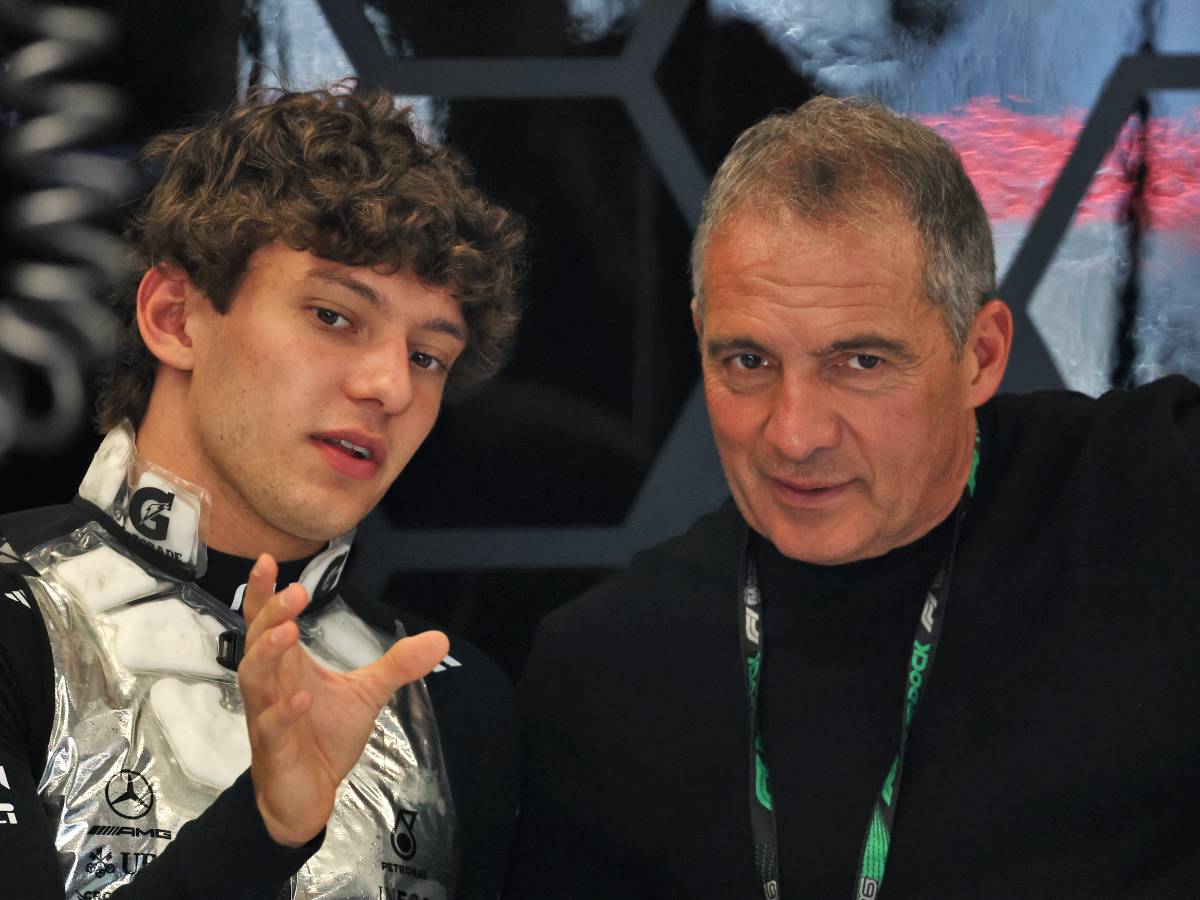
In an era when young stars can become brands before they become champions, Mercedes chose a different route: fewer distractions, more preparation, and a protective bubble around a driver still learning the sport.
The result is the most fascinating story of the 2026 season. Antonelli has gone from the teenager who once overcooked his very first flying lap in a Mercedes to the calm, relentless championship leader setting the pace for the entire field.
And if Lord is right, the most remarkable part may be that Mercedes always believed this version of Kimi Antonelli was somewhere inside him. The surprise is not that he became great. It is that he did it so quickly.
Keep up to date with all the F1 news via X and Facebook