

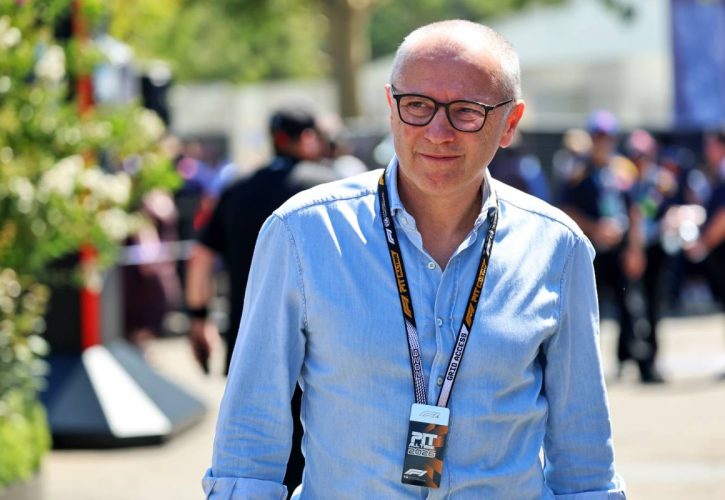


Formula 1 CEO Stefano Domenicali has issued a firm response to early criticism of the sport’s sweeping 2026 regulations, suggesting the scepticism voiced by some of the championship’s biggest stars has come far too soon.
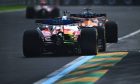
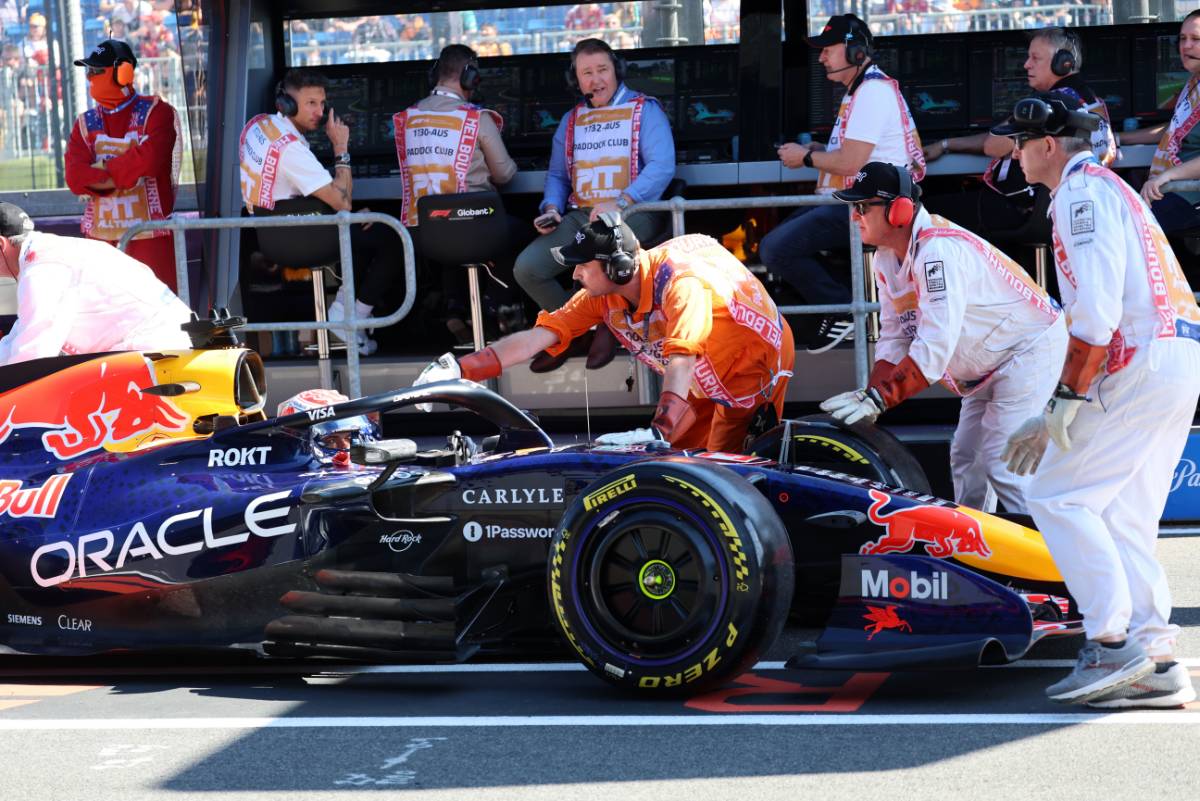
The new generation of cars made its competitive debut during Friday practice at the Australian Grand Prix, marking the first real glimpse of how Formula 1’s most ambitious technical overhaul in years might perform under race weekend conditions.
Yet before the lights had even gone out on the season, the rules had already attracted pointed criticism from two of the sport’s most influential voices – world champions Lewis Hamilton and Max Verstappen.
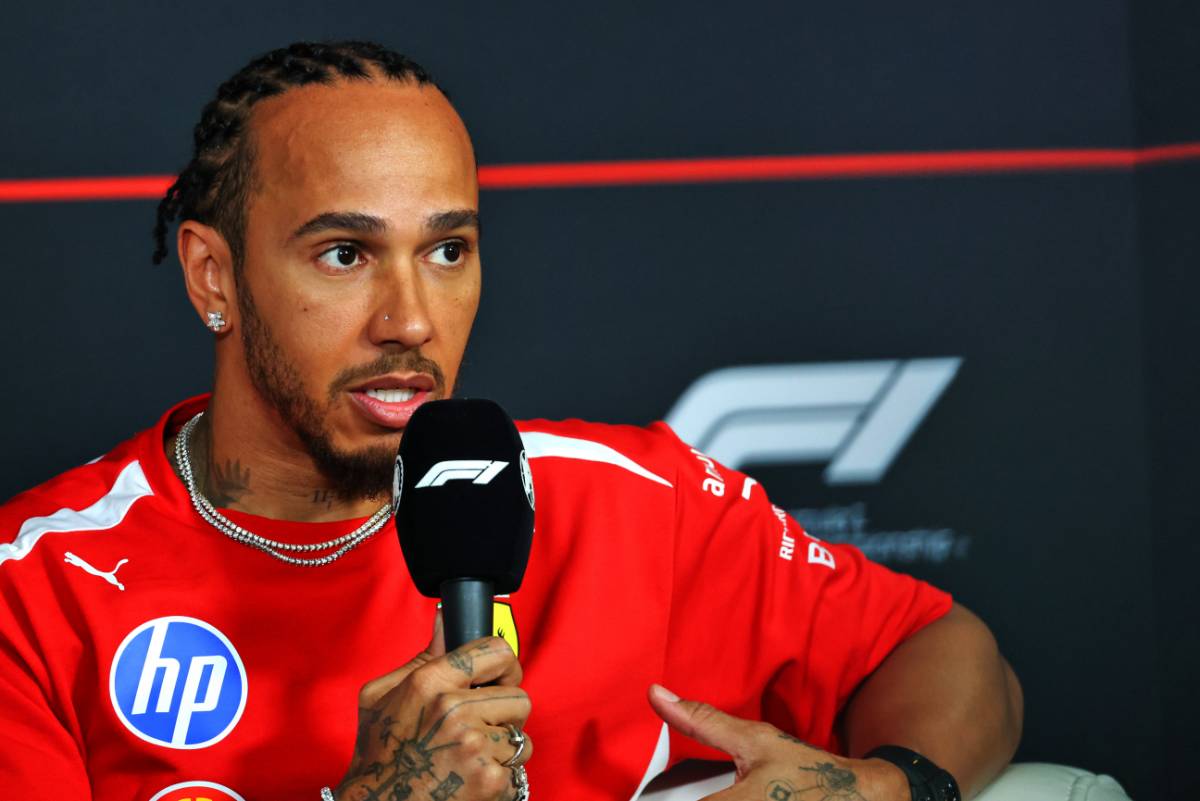
Hamilton questioned whether the complexity of the new hybrid power units, particularly their intricate energy deployment systems, could be easily explained to fans.
Verstappen, meanwhile, warned that the significant increase in energy harvesting could force drivers into excessive lift-and-coast strategies, potentially diluting the essence of wheel-to-wheel racing.
Domenicali, however, believes such concerns are premature.
“I think it's wrong in general terms to talk bad about an incredible world that is allowing all of us to grow,” Domenicali told Sky Sports. “And that's the only thing that I would say is not right. But, you know, I always listen. There is an evolution of driving, it means that the best driver will be able to be the fastest.”
Manufacturers First, Performance Later
The 2026 regulations were conceived with a clear strategic objective: attracting more manufacturers to Formula 1.
That goal has largely already been achieved. Audi is set to join the grid with a works project, Ford has aligned with Red Bull’s powertrain programme, Cadillac is entering the championship, and Honda reversed its previous decision to leave the sport.
For Domenicali, that outcome alone validates the direction Formula 1 has taken.
“We wanted to attract more manufacturers,” Domenicali explained. “We knew that sustainable fuel was an element that would be attractive for the manufacturers, knowing that in terms of mobility, manufacturers should focus not only on electrification and that's why this project started.”
The new rules place far greater emphasis on electrical power and introduce fully sustainable fuels, aligning the championship more closely with the wider automotive industry’s technological priorities.
Domenicali described securing that manufacturer interest as “absolutely essential,” even if the competitive product still needs time to mature.
Trust In F1’s Engineers
While early simulations and winter testing sparked debate about the cars’ behaviour, Domenicali is confident the sport’s engineering expertise will quickly refine the package.
“I think the possibility to develop this car, both from the engineering point of view and also from the driver's point of view, will enable us to very, very soon see a car that will be faster,” said the Italian.
“The world of engineers behind F1 is incredible.”
At the same time, he acknowledged that Formula 1 and the FIA remain ready to intervene if necessary.
Discussions have already taken place within the F1 Commission regarding the flexibility to fine-tune the rules should the on-track spectacle fall short of expectations.
“The approach that we have discussed already in the last F1 Commission with the FIA, with the team, is very open,” Domenicali said.
“If we see something that needs to be addressed, we're going to address it in that way. But I think that now we are in a world where everyone realises that if there is something clear that has to be done to improve, why not? Let's do it.”
For now, though, Domenicali’s message is clear: the new era of Formula 1 has barely begun, and writing off the regulations after their first competitive laps may say more about impatience than reality.
Keep up to date with all the F1 news via X and Facebook