



Formula 1 fans thought the ghost of the 2021 Abu Dhabi Grand Prix had been finally laid to rest, but former FIA race director Niels Wittich has reignited the fire with a provocative defense of the man at the center of the storm on that infamous day at Yas Marina.
In a move that is bound to polarize the sport’s fanbase, Wittich – who stepped into the race director role following Michael Masi’s unceremonious ousting – has claimed that his predecessor was essentially a victim of a system that lacked the spine to support its own.
The fallout of that night in Abu Dhabi saw Max Verstappen snatch a maiden title from Lewis Hamilton under circumstances that many still label a "robbery," but Wittich suggests the "human error" narrative was little more than a convenient fiction.
A spectacle by design
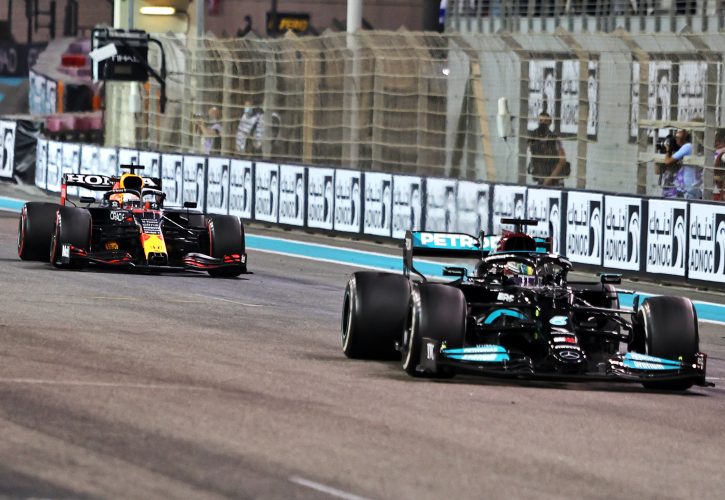
The controversy centers on the final laps of 2021, where Masi allowed only the five lapped cars between the title protagonists to unlap themselves during a late Safety car period, ignoring the letter of Article 48.12 to ensure a final-lap shootout.
To Wittich, this wasn't a failure of officiating, but the fulfillment of a collective mandate.
“From my point of view, Michael didn’t do that much wrong,” the German told Formel1.de. “The regulations didn’t strictly define everything. What he did was within his authority. He had a certain level of discretion in how to deploy the safety car.”
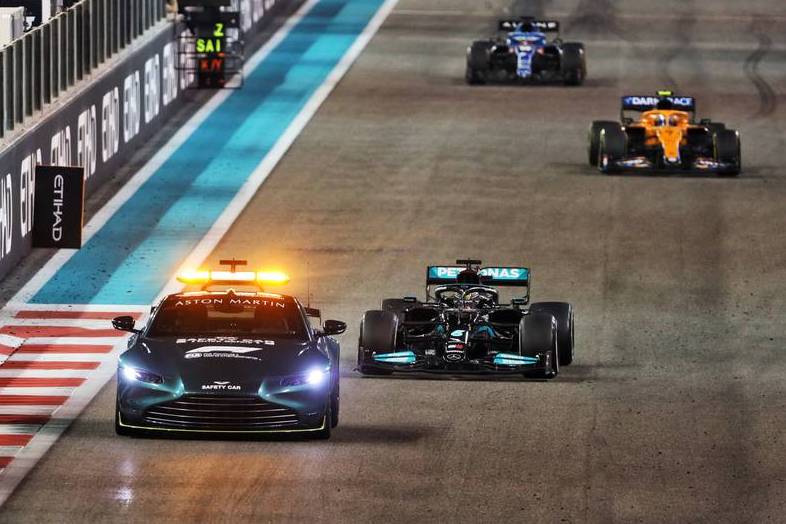
Wittich points to a pre-existing agreement between the teams and the FIA that the sport should prioritize finishing under a green flag.
“One key factor was that teams, FIA, and Formula 1 had all agreed – over many meetings – that races should, if possible, finish under green flag conditions. Nobody wanted a race ending behind the safety car,” he explained.
Addressing the "spectacular" but widely condemned finish, Wittich remained blunt:
“He essentially did what everyone had agreed upon: create one final racing lap. It produced a spectacular finish, an overtake, a winner and a runner-up. It could have gone the other way just as easily. That’s sport.”
The ‘Scapegoat’ and the FIA’s culture of silence
Perhaps the most biting part of Wittich’s narrative isn’t his defense of the rules, but his scathing critique of the FIA’s internal culture.
While the governing body eventually removed Masi amidst a torrent of public abuse and death threats, Wittich views that move as a betrayal of an employee who was simply following the "show first" philosophy pushed by the sport's stakeholders.
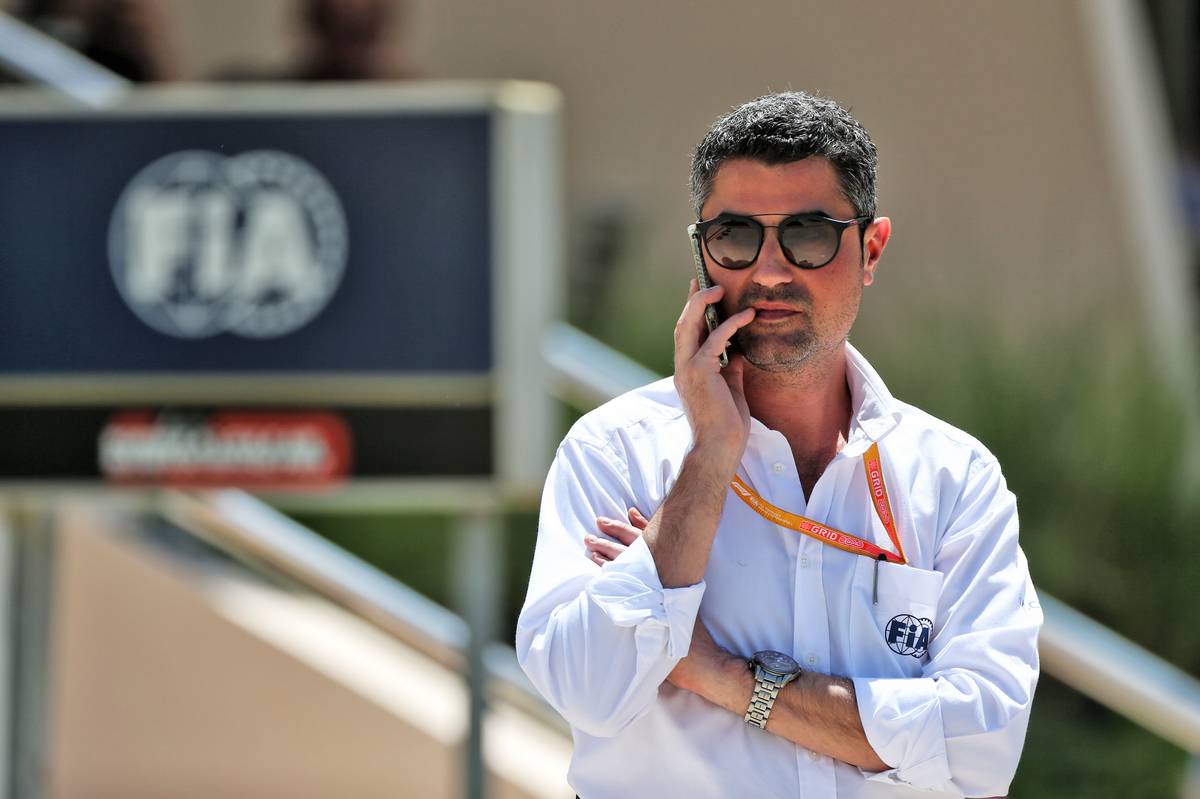
“After the investigation following Abu Dhabi, the conclusion seemed to be that Michael had to go – essentially finding a scapegoat,” Wittich added.
“What was really disappointing – for me and many colleagues – was the lack of support from the FIA for Michael. That’s something that needs to be clearly criticised. Everyone knew that in extreme situations, you’d be left on your own.”
According to Wittich, the era of the race director having a safety net ended with the passing of Charlie Whiting and the exit of former president Max Mosley.
“In the past, under Charlie Whiting, there was always backing from FIA leadership – Max Mosley stood firmly behind him. That support wasn’t there anymore. It still isn’t. That’s one of the reasons I’m no longer a race director in Formula 1,” he revealed.
Deflecting the blame
For those who believe Hamilton was cheated out of an eighth world title, Wittich has little sympathy, suggesting that the focus on the final lap ignores the 22-race marathon that preceded it.
He argued that the crash by Nicholas Latifi merely turned a "dull" race into a decisive one, and that the participants should have looked at their own shortcomings earlier in the season.
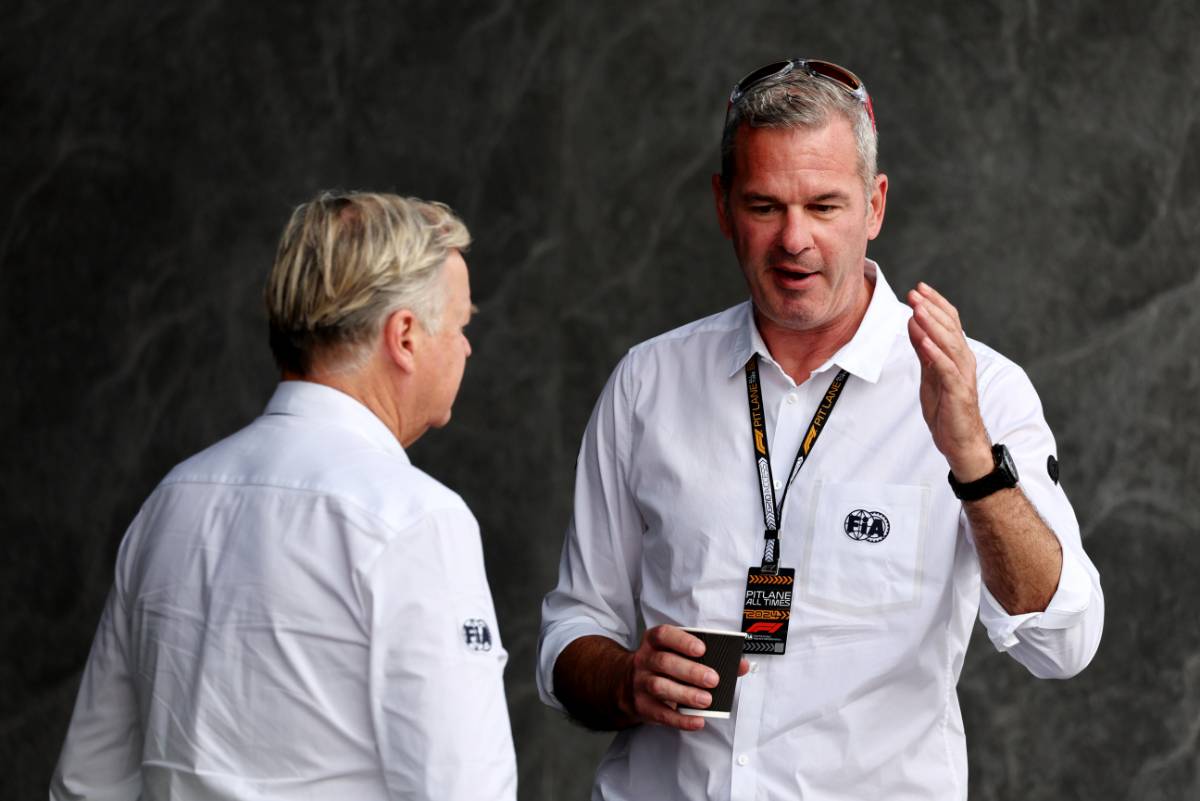
Former FIA race director Niels Wittich.
“A championship isn’t decided in one race alone. Points lost earlier in the season matter just as much. Both Hamilton and Verstappen had chances to secure the title earlier,” Wittich noted.
He also dismissed the idea that a red flag – which would have allowed Hamilton a "free" tyte change – was a viable alternative, calling it an "inconsistent" choice.
Ultimately, Wittich’s parting shot leaves the FIA in an uncomfortable spotlight.
“Whatever happened, there was no proper discussion, no backing for employees. And that’s the worst takeaway from that whole situation,” he concluded.
In his eyes, Michael Masi didn't break Formula 1; he simply did exactly what the sport asked of him – only to be abandoned when the world started shouting.
Keep up to date with all the F1 news via X and Facebook