



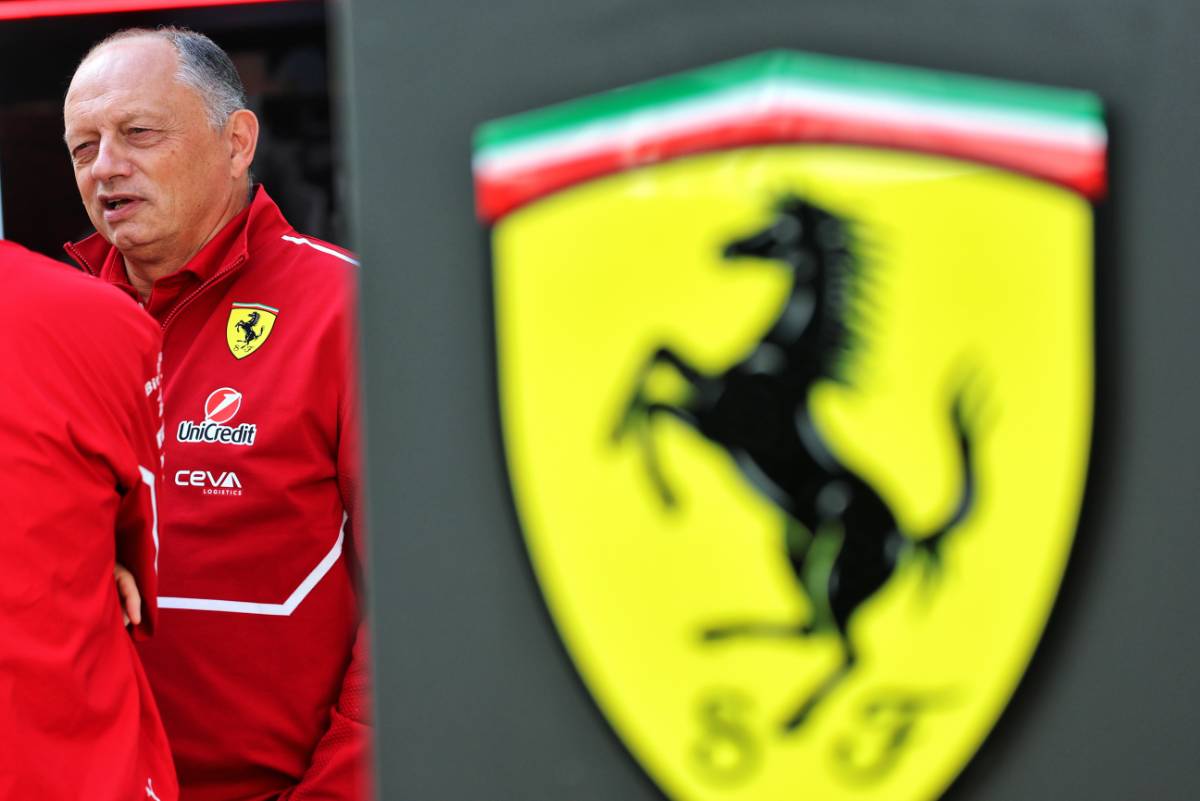
Ferrari team principal Fred Vasseur has confirmed when the Scuderia will lift the lid on its 2026 F1 car, and true to form, Maranello won’t be easing its way into the new regulations.
Instead, Ferrari is planning a knife-edge reveal, a last-minute build and an immediate roll-out in front of its home crowd at Fiorano.
The wraps will come off Ferrari’s next-generation on 23 January, followed immediately by a shakedown run at the team’s private test track. Charles Leclerc and Lewis Hamilton will share the honours of giving the car its first taste of asphalt.
But don’t expect the Italian outfit’s new design to be quietly waiting in the garage weeks in advance. According to Vasseur, the schedule is deliberately brutal.
A January Reveal – With No Safety Net
"This will be aggressive for sure, because we will finish the assembly of the car the day before the launch," Vasseur said at Ferrari's traditional end-of-year press conference in Maranello.
"The launch will be the 23rd of January in Maranello. It means that we'll finish the car on the 22nd. And this is aggressive, but everybody will do the same."
It’s a revealing snapshot of how hard teams are pushing ahead of a regulation reset that brings new chassis rules, new power units and a vastly expanded pre-season testing programme.
While the date is locked in, the name of Ferrari’s first car of the new era remains firmly under wraps – and Vasseur has no intention of letting that slip early.
"This will be part of the launch and you will discover it a bit later. I don't want to spoil everybody and to spoil everything."
For a team that thrives on ceremony, the reveal is being treated as an event rather than a mere formality.
Mileage Before Glory
Ferrari’s early running won’t be about lap records or flashy aero upgrades. With three tests split between Barcelona and Bahrain – an unusually generous nine days of running – Vasseur says the early priority is simple: make sure the car works.
"I think everybody will do it," he explained. "In this situation, the most important is to get mileage. It's not to chase performance. It's to get mileage to validate the technical choice on the car in terms of reliability.
“And then to get performance. It means that I think everybody will come in Barcelona with - not a mule car - but let's say a spec A."
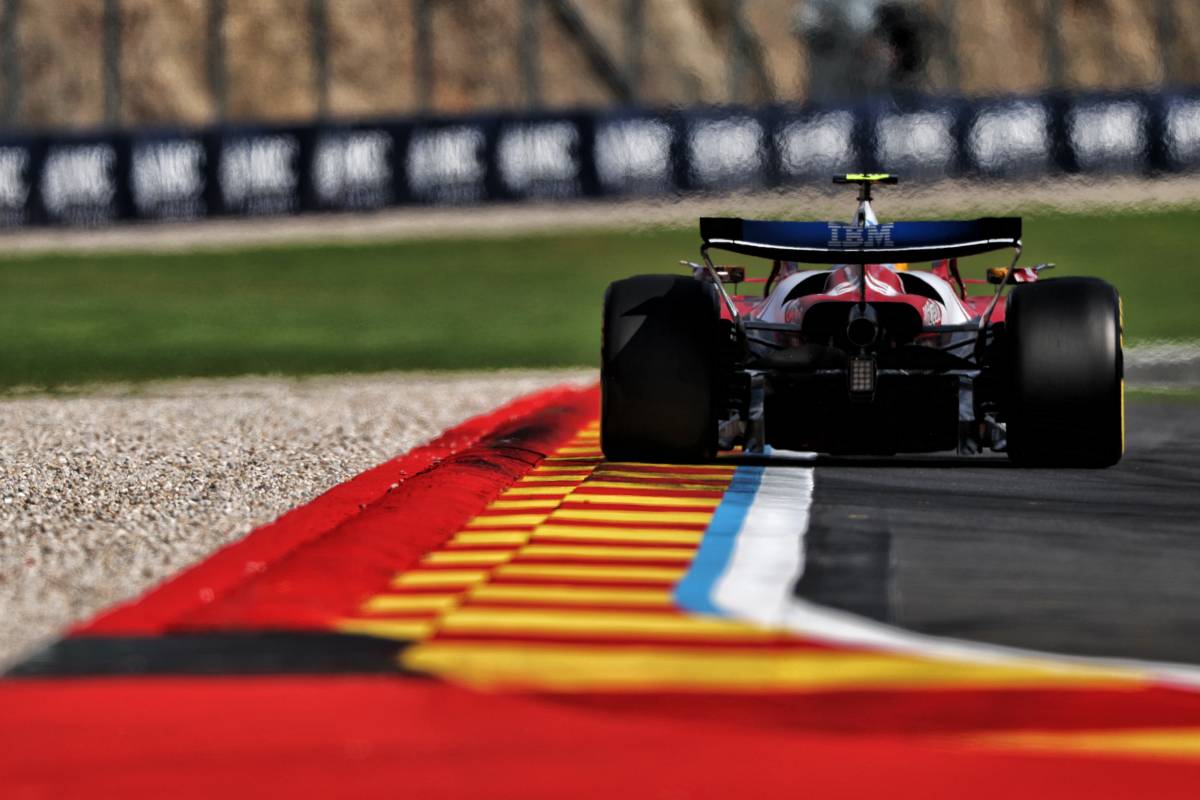
The shift is significant. Modern F1 teams are used to squeezing everything into just three days of testing, but 2026 changes the rhythm entirely.
"We are not used to having nine test days anymore,” the Frenchman added.
“The last four or five seasons, we did three [days]. It's an advantage, but it's also a completely different program. It means that the first target in this kind of season is to get the reliability."
Lessons From the Past – And a Warning
Vasseur isn’t guessing when it comes to reliability concerns. He’s looking straight back to the last major power unit overhaul in 2014 – and the chaos that followed.
“The first races [of the previous power unit change in 2014] you had a huge percentage of DNFs,” he explained.
“It means that the first focus in Barcelona will be to get mileage with the car, to understand the reliability of the car, where we have to improve and what we have to react.
“Because if you understand something in Bahrain, by the second test, you won't have time to react for Australia."
In other words: break things early, fix them faster, and don’t arrive at the season opener still asking basic questions.
Ferrari’s 2026 car may not even have a name yet, but one thing is already clear – when it finally rolls out at Fiorano on 23 January, it will be the product of a high-wire act worthy of Maranello’s reputation.
Keep up to date with all the F1 news via X and Facebook