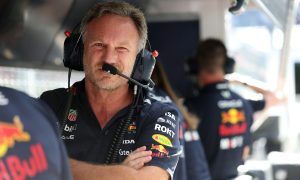


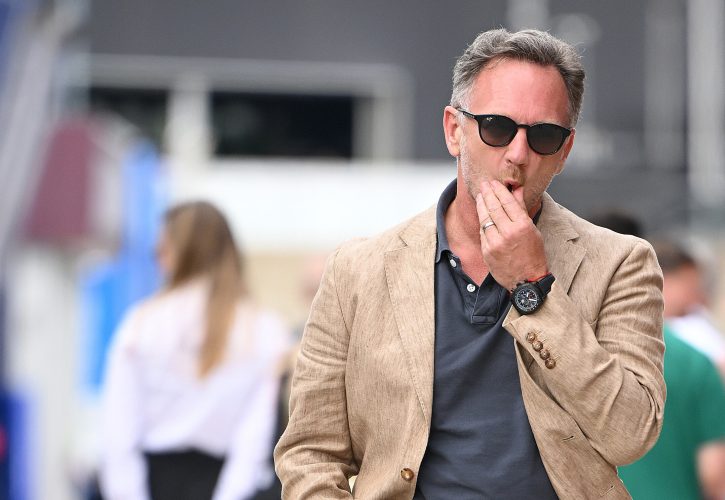


The Formula 1 paddock is rarely a place of quiet reflection, and the latest whispers surrounding Christian Horner are anything but silent.
After his seismic exit from Red Bull in July 2025 – ending a two-decade reign that yielded 14 world titles – the grid's most polarizing figure is reportedly eyeing a bold return to the fray, allegedly with Alpine.
But while the desire to get back on the pit wall is there, a specific legal tripwire buried in the Renault-owned team’s shareholder agreements may have slowed his charge to a crawl.
Horner is reportedly plotting a minority takeover of the Enstone-based squad, but the path is cluttered with fine print.
The stake presumably targeted by Horner belongs to Otro Capital, a consortium that includes the likes of Ryan Reynolds and Patrick Mahomes, which currently holds 24% of the team.
While the investors are rumored to be eyeing a massive 170% return on their investment by selling their participation, Alpine’s Articles of Association dictate that Otro cannot simply hand over its shares.

Under current rules, the stake can only be sold with Renault’s explicit blessing and after a three-year "lock-in" period expires, according to a report from PlanetF1.
That crucial deadline won’t pass until September of this year, effectively keeping Horner in the waiting room until the 2026 season is already well underway.
The Cost of the Comeback
For Horner, a simple "Team Principal for hire" role is no longer enough. To return to the sport he helped define, he is seeking "skin in the game" – a seat at the table as a shareholder, similar to the model perfected by Toto Wolff at Mercedes.
However, achieving this level of ownership requires a financial war chest that few individuals can command alone.
To acquire a meaningful shareholding, Horner would almost certainly need substantial financial backing from external investors. Even then, any deal structured through loans could leave him personally exposed, carrying debt tied directly to the team’s future performance.

Ownership brings leverage, but it also brings liability – a reality that makes any such move a calculated gamble rather than a triumphant return.
This contractual stalemate may explain why the initial "fever" surrounding Horner's return has seemingly dissipated.
Renault remains firmly in the driver’s seat, and while Horner’s winning pedigree makes him an attractive partner for a team that finished at the bottom of the standings in 2025, the French giant is under no legal obligation to rush the process.
With his gardening leave from Red Bull reportedly lasting until April 2026 and the shareholding restrictions not lifting until the autumn, Horner is facing a lengthy spell on the sidelines.
It is a waiting game of the highest order. Whether the "September surge" leads to a Horner-led Alpine revival remains the biggest question of the 2026 pre-season – but for now, the lawyers might be moving faster than the cars.
So for now, Horner waits. And in Formula 1, waiting can be just as decisive as moving too fast.
Keep up to date with all the F1 news via X and Facebook