



Red Bull Ford Powertrains boss Ben Hodgkinson is looking at the future with a measured eye. Yes, the internal combustion engine is set to matter amid F1’s great reset, but to assume the 2026 championship order will be decided purely in the engine dyno rooms would be a mistake, according to the British engineer.
New cars, new power units and a fresh competitive landscape await, but inside the paddock the debate has already begun over what will truly separate the contenders from the rest.
Hodgkinson broadly agrees with FIA single-seater director Nikolas Tombazis that the ICE is likely to be the key performance differentiator among the sport’s teams. But Red Bull’s engine man also offered a caveat about the plateau of electrical efficiency.
“I think within the power unit space itself it could be true that the internal combustion engine might be the biggest differentiator,” Hodgkinson said, quoted by Motorsport.com.
“On the ERS side everyone will be sort of 99% efficient on their power electronics and their motor.
“I think the biggest differences are probably going to be on the ICE side, and that does work with your fuel partner a lot as well. So in our case, ExxonMobil has been really vital in trying to get as much performance as we can out of the ICE.”
The implication is clear: while energy recovery systems are approaching saturation in efficiency, combustion – and the chemistry that supports it – remains fertile ground for gains. Fuel development, calibration and integration could quietly tip the balance.
Why 2026 Won’t Be Another 2014
Despite that, Hodgkinson is keen to pour cold water on any expectation of a repeat of 2014, when Mercedes’ power unit advantage defined an era almost before it had begun – a period the Red Bull engineer knows well from his previous life in Brackley.
“I think the differences between the power units are going to be less than we've seen in 2014, because the power unit or the ICE in particular is very, very similar,” he explained.
“Yes, it's got sustainable fuels and yes, we've lost the MGU-H and there's been a compression ratio limit. There's been lots of tweaks to the regulations that deliberately kind of reset combustion technology, but it's not a million miles away [from what we had].”
Rather than locking manufacturers into radically new and uncharted concepts, the regulations have intentionally retained a relative familiarity – and, crucially, accessibility.
That has been central to attracting new players like Audi, and it also shapes how Red Bull views its own position as a first-time manufacturer.
“It's not like we're suddenly developing a different configuration,” Hodgkinson pointed out. “It's still a V6, and it's still fundamentally the same.
“All the lowering of things like compression ratio and boost limits have actually made the loads a bit less, so the stress the parts have to go through is a little easier.
“I think the power units could be similar. Maybe I'm saying that because technically we're newcomers as Red Bull Powertrains, although an awful lot of my staff have lots of F1 experience.
“Maybe I don't feel so much like a newcomer as perhaps we should do, and maybe that's why I'm saying that.”
The Bigger Unknown: Aerodynamics
Where Hodgkinson’s view diverges from the FIA’s more conservative expectations is on aerodynamics. While the governing body anticipates convergence – much like what followed the 2022 regulation reset – Hodgkinson sees far greater risk, and opportunity, on the chassis side of the equation.
“It'll be interesting to see where all the other teams are, but I guess there's a bigger risk on the aero side,” he said.
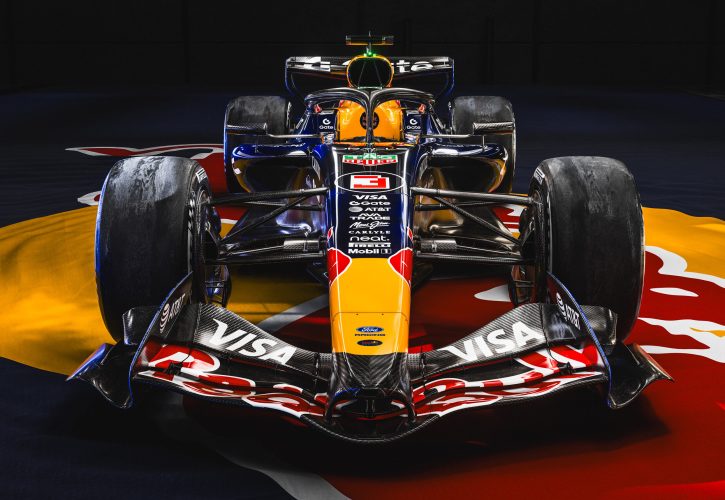
For all the talk of power units, 2026 represents a total car reset – bodywork, packaging and aerodynamic philosophy included. And history suggests that when rules are rewritten wholesale, clever interpretation can be just as powerful as outright horsepower.
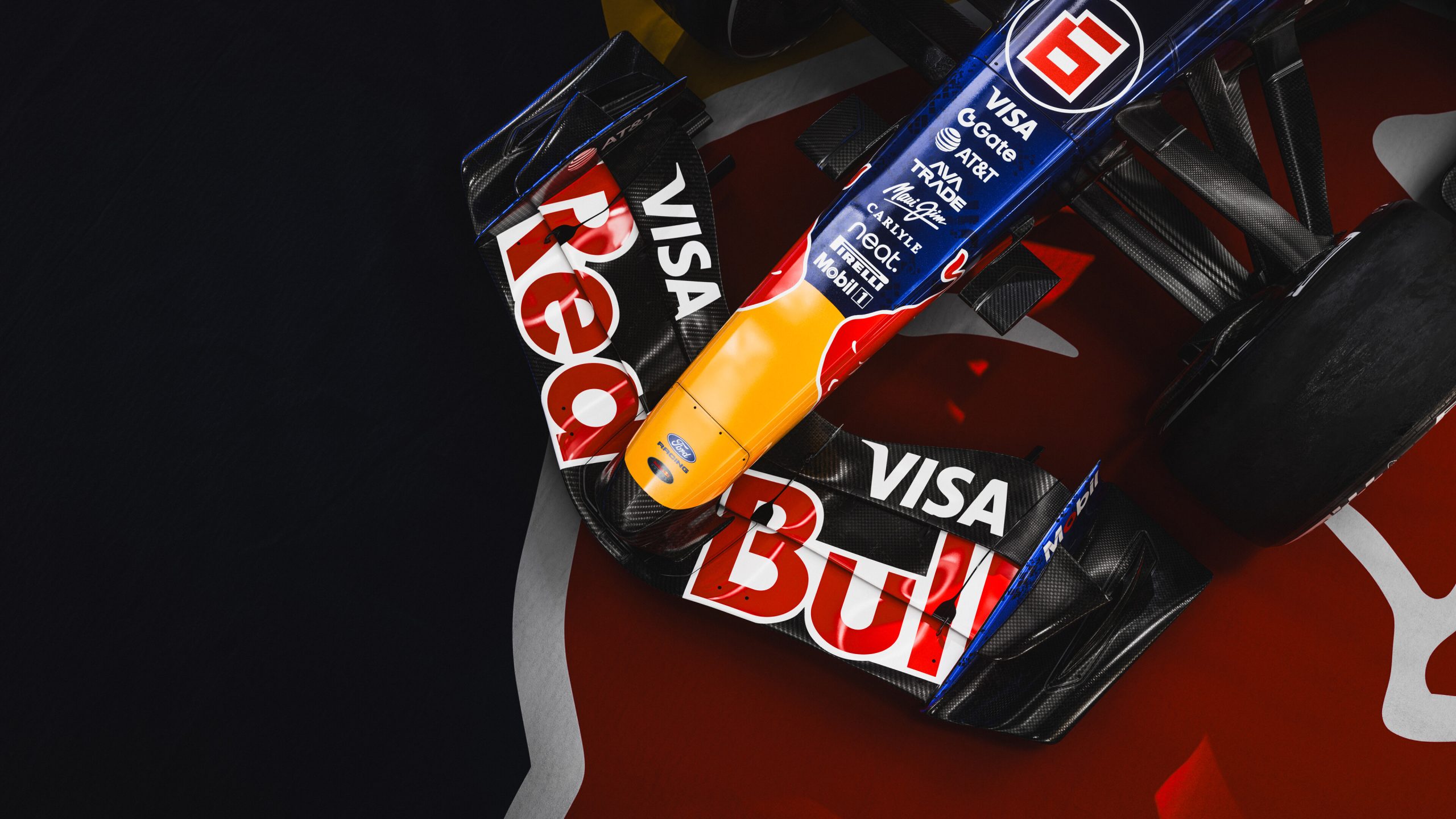
©RedBull
“But aerodynamics is not really my expertise, so you shouldn't really take it as an official statement,” he laughed. “But it's a complete reset with the whole car, it's not just a reset for the power units.
“So yeah, there should be differences, and we'll see what they are.”
As F1 counts down to its next chapter, Hodgkinson’s message is clear: the internal combustion engine may shape the baseline, but it won’t tell the whole story.
When the lights go out in 2026, the pecking order is likely to be written not by one silver bullet – but by how well teams balance power, packaging and the invisible art of aerodynamics.
Keep up to date with all the F1 news via X and Facebook