


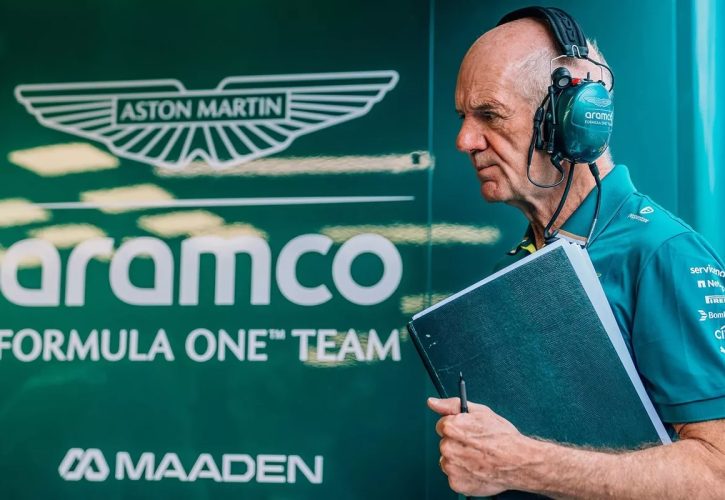


Aston Martin’s chief architect and team principal Adrian Newey believes Formula 1’s latest buzzword is actually one of its oldest secrets.
As the Briton guides the Silverstone outfit into the sweeping 2026 regulation era, he is shining a light on how artificial intelligence – or more precisely, machine learning – has long been woven into the sport’s technical DNA rather than suddenly appearing as a futuristic add-on.
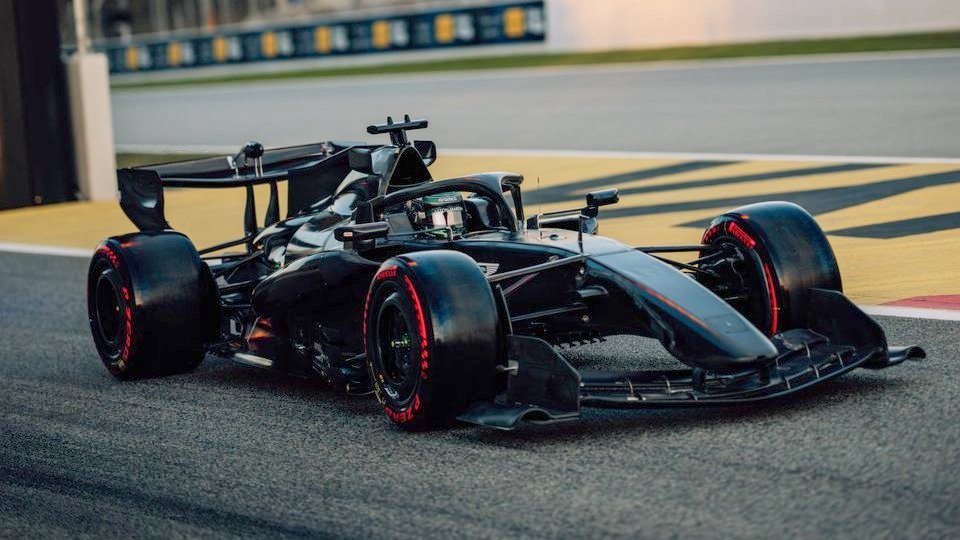
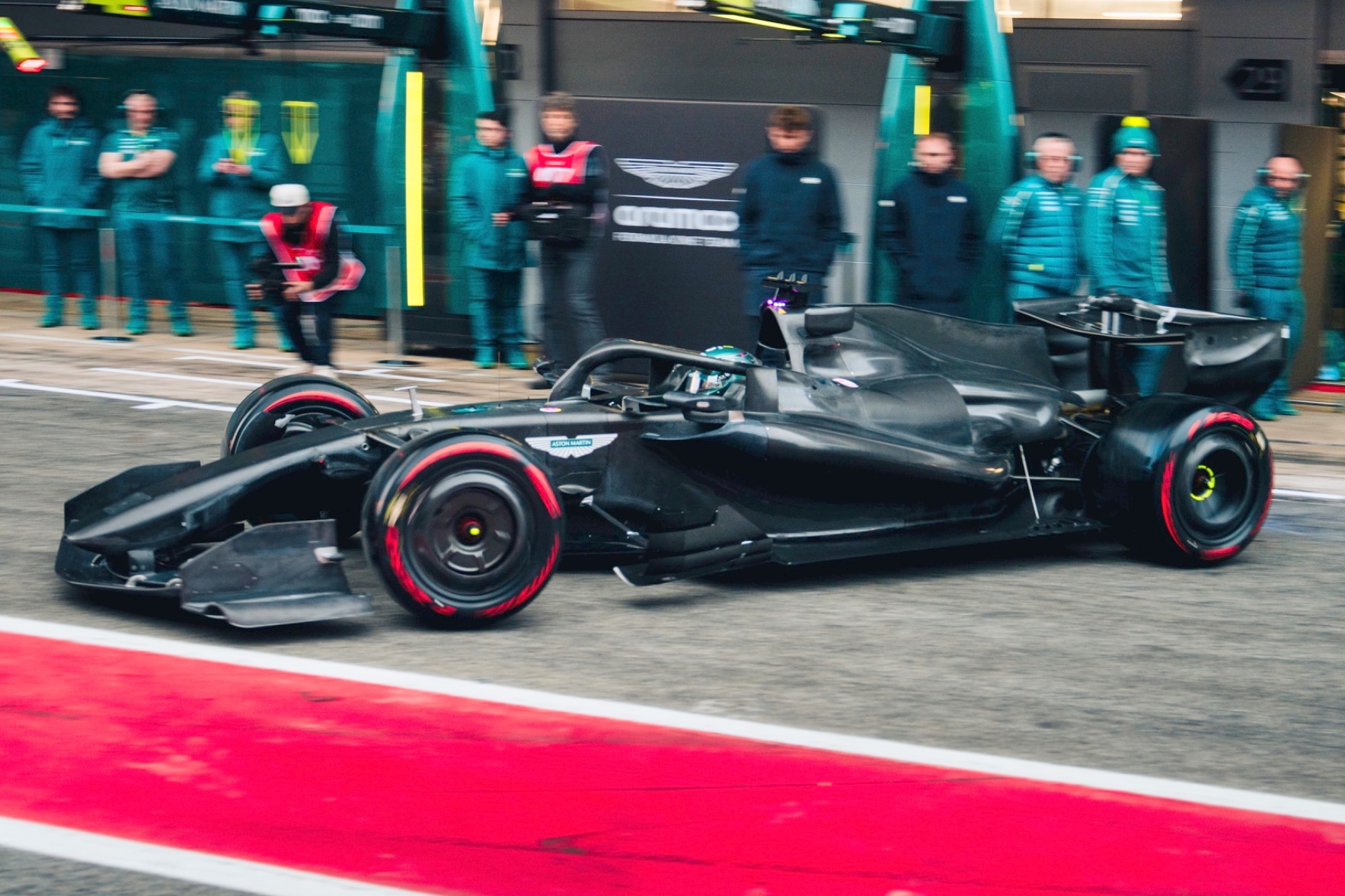
Aston Martin’s striking new challenger may have turned heads during its private Barcelona running last week, but beyond the sculpted bodywork and intricate aero surfaces lies an invisible performance engine powered by data, simulation and relentless computational analysis.
In a season where rule changes are rewriting aerodynamics, chassis design and power units all at once, the fiercest competition is unfolding not only on track but deep inside server rooms and design suites.
Not New – Just Newly Famous
While “AI” has become a headline magnet in the world in recent years, Newey is quick to stress that Formula 1 engineers were exploring intelligent data systems long before consumer chatbots entered everyday vocabulary.
For teams chasing thousandths of a second, predictive modelling and advanced analytics have been essential tools for decades.
“Machine learning has been around for a long time,” Newey said in the team’s Undercut interview.
“It's been superseded, if you like, as a buzzword by AI – everyone knows what AI is now. In truth, the AI that most people are using day to day is mainly just internet search-based and it’s pattern recognition.”
The difference, he suggests, lies in purpose. F1’s application is not about conversation or convenience; it is about precision, speed and competitive advantage, where bespoke systems sift through mountains of telemetry and wind-tunnel data in pursuit of microscopic gains.
Tailored Intelligence in a Data-Driven Sport
The 2026 ruleset has only intensified that digital dependence. With limited pre-season track time and cars expected to evolve rapidly across the year, virtual development has become indispensable.
During Barcelona’s early running, for example, Lance Stroll managed only a handful of laps while Fernando Alonso logged 61 – useful but far from exhaustive. The deeper answers, Newey explains, are often found in simulation.
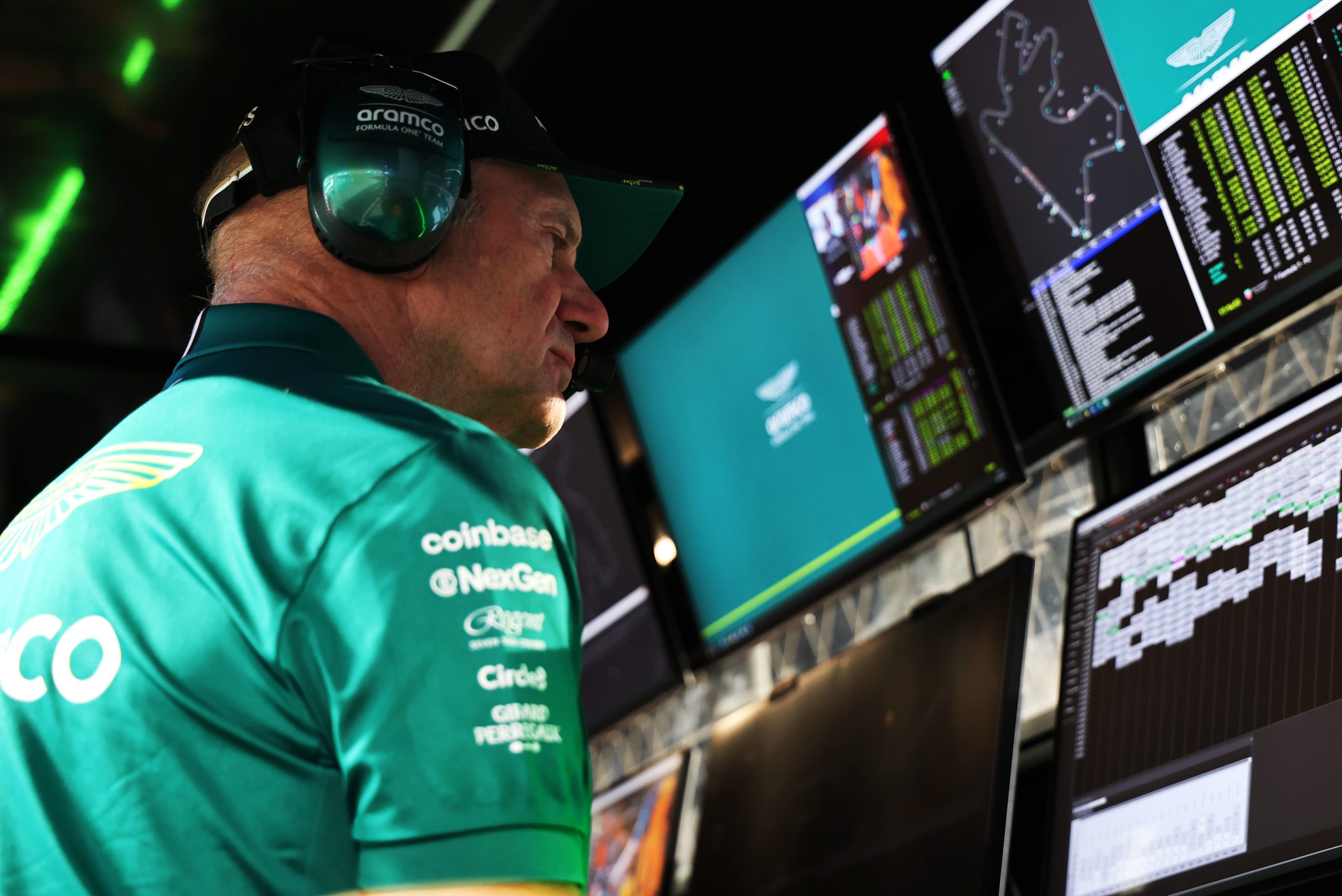
“What we are using machine learning, or AI, for is much more specific tasks and therefore how we use that AI is incredibly tailored,” Aston’s design guru explained.
“We're typically not using anything off the internet because we are too specialised for that, but there are instances of using pattern recognition to help with relatively simple tasks and even race strategy through simulation and game theory.”
In practical terms, that means building digital test beds where thousands of race scenarios, aerodynamic tweaks and tyre strategies can be evaluated long before a wheel turns in anger.
A Moving Target
Despite its sophistication, Newey views the technology as perpetually unfinished. In a sport defined by innovation cycles measured in months rather than years, computing power and data processing tools evolve at breakneck speed, forcing teams to constantly recalibrate.
“There are more advanced applications... which I'd rather not talk about at the moment,” he said.
“The thing about things like compute power, data processing, artificial intelligence, is it's all advancing so rapidly. What's new now will be pretty much out of date in 12 months.
“It's obviously incredibly exciting for us, and it's up to us to work with our partners to keep up with that because the opportunities it creates are absolutely immense.
“It's almost as if we have to keep reopening our minds to what's available, not on a daily basis, but certainly on a six-month basis, to take the most advantage as things evolve.”
For Aston Martin, the implication is unmistakable: the race for performance is no longer confined to wind tunnels and racetracks.
Under Newey’s watch, it is also being fought in lines of code and terabytes of data – an unseen championship running in parallel with the one fans watch every Sunday.
Keep up to date with all the F1 news via X and Facebook