



Cadillac's long-anticipated entry into Formula 1 is steadily taking shape, as the American outfit backed by General Motors gears up for its 2026 debut.
With a brand-new facility in Silverstone, hundreds of engineers and personnel hard at work, and technical preparations ramping up, the project is beginning to gather real momentum.
But in recent weeks, the team encountered a peculiar hiccup in its simulation work, according to a report from Auto Motor und Sport’s Michael Schmidt – one that gave engineers a surprising, if not slightly humorous, insight into the challenges of virtual testing.
Building from the Ground Up
Cadillac’s journey to becoming Formula 1’s eleventh team has been a whirlwind of ambition and logistical hurdles.
Long before the FIA officially greenlit their entry, the team born under the Andretti Global banner laid the groundwork by constructing a state-of-the-art facility in Silverstone, a hub of motorsport innovation.
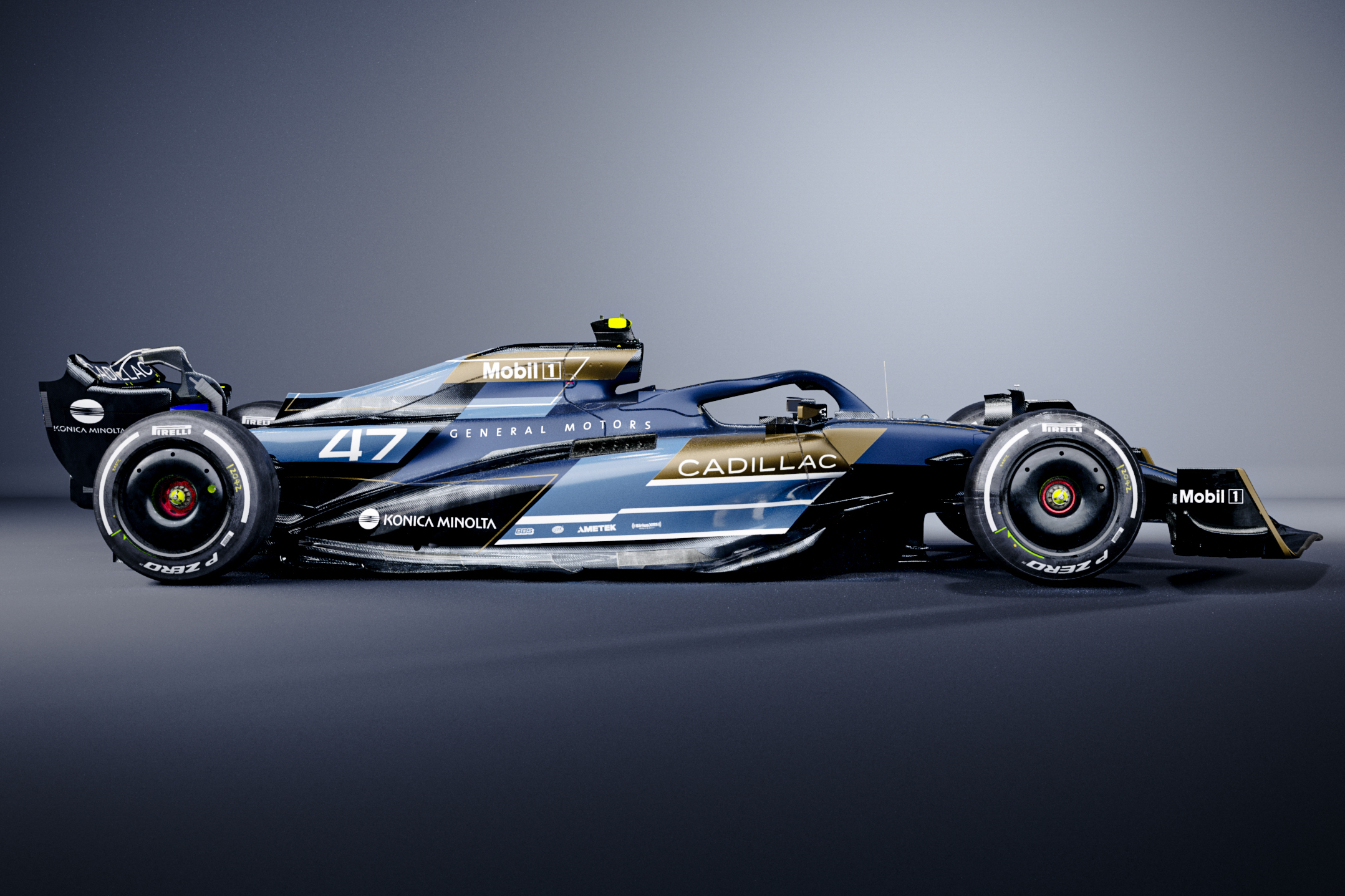
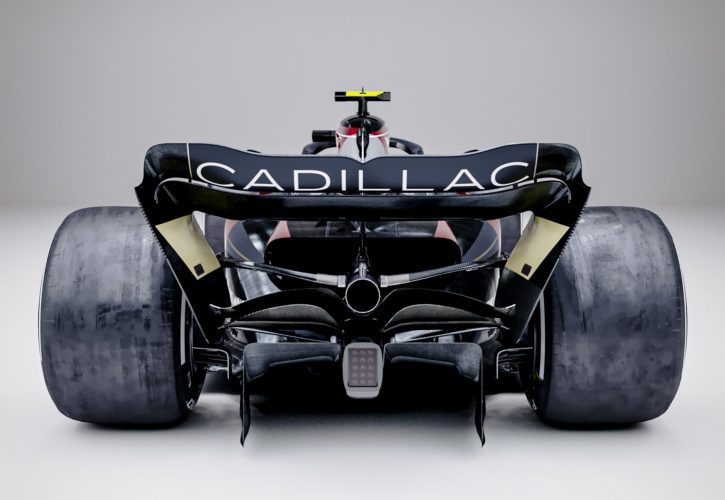
A rendering of Cadillac's F1 car by livery artist Sean Bull.
Recruitment efforts have been aggressive, with 360 employees currently on board, though the team had initially aimed to employ between 500 and 600 by year’s end. Delays in securing talent from rival teams and Formula 1’s late confirmation of Cadillac’s entry last year have slowed progress, but the team remains undeterred.
With the 2026 season opener in Melbourne looming just over a year away, Cadillac’s engineers are racing against time.
The first real-world tests will take place during pre-season testing in Barcelona at the end of January 2026. But according to AMuS, the team itself will hit the track in September, after F1’s summer break, using a 2023 Ferrari to fine-tune operational processes, test systems, and rehearse critical procedures like pit stops.
Until then, simulations are the name of the game, with the strategy team virtually shadowing real race weekend’s since the Spanish Grand Prix earlier this year.
A Virtual Pole Position Mishap
It was during one of these simulation sessions that Cadillac’s engineers stumbled into an amusing glitch. The team’s virtual car, designed to operate under current F1 regulations, inexplicably claimed pole position in qualifying!
An insider familiar with the situation shared the amusing anecdote.
“We misjudged the tyres' grip and entered it that way into the program,” they explained. The over-optimistic input led the simulation software to calculate lap times that were, quite literally, pole-worthy.

Though unintended, the glitch highlighted how even minor inaccuracies in data entry can skew entire simulations – a reminder of the fine margins in F1 engineering.
While not a serious setback, the incident served as a learning moment. Engineers have since worked to recalibrate their virtual models to better reflect real-world performance metrics.
With no actual race car yet on the track, these simulations remain critical tools for preparing the team for the logistical and strategic demands of race day.
Powertrain Plans and a Look Toward 2029
For the first three seasons, Cadillac will rely on Ferrari power units – a temporary but strategic solution. General Motors sees the Italian manufacturer as a reliable partner, particularly in managing the intricate hybrid systems and energy recovery technologies that define modern F1 engines.
But GM has more ambitious goals for the long term. Talks are ongoing about establishing an independent power unit operation starting in 2029. One potential path, according to AMuS, involves partnering with renowned engine designer Mario Illien.
His company, Ilmor Engineering, has a long-standing relationship with GM, having produced Chevrolet-branded engines for IndyCar since 1984.
Such a collaboration could pave the way for a wholly American-built engine, a symbolic and technical milestone for the Cadillac brand.
As Cadillac navigates the challenges of its F1 entry, from simulation glitches to recruitment hurdles, the team’s determination to make a mark in 2026 is clear.
With a blend of American ambition and motorsport pedigree, Cadillac is poised to bring a fresh dynamic to Formula 1’s ever-evolving landscape.
Keep up to date with all the F1 news via X and Facebook