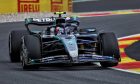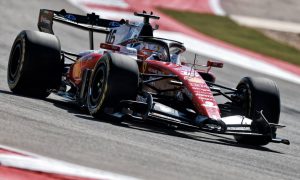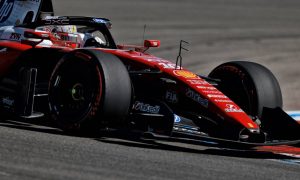


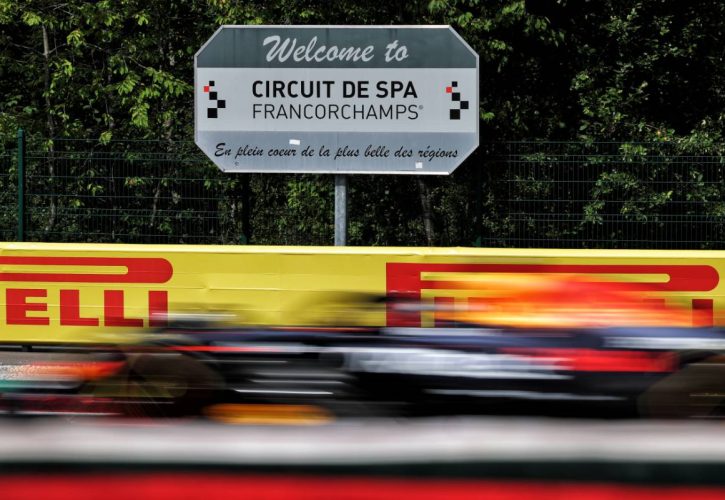


Spa-Francorchamps is the longest track on the F1 schedule and - along with Monza - is one of the sport's most power thirsty venues where top speeds reach their highest levels of the season.
But the legendary Ardennes circuit's 7-kilometer layout isn't only about maximum velocity up the Kemmel straight as its blend of high-speed corners also calls for the right compromise between straight-line speed and downforce levels.
This is of course achieved partly naturally through a car’s concept – cue McLaren’s well-balanced and aero efficient MCL39 – and partly through set-up configurations that sway one way or the other.
At the outset of this weekend, Red Bull opted for a low-downforce set-up – like at Silverstone last time out. While this did wonders for Max Verstappen versus his McLaren rivals in Saturday’s Sprint event, the prospect of rain on Sunday – and a painful memory of how Silverstone panned out – compelled the Dutchman to revert to a higher-drag rear wing from qualifying when cars are locked in parc fermé conditions.
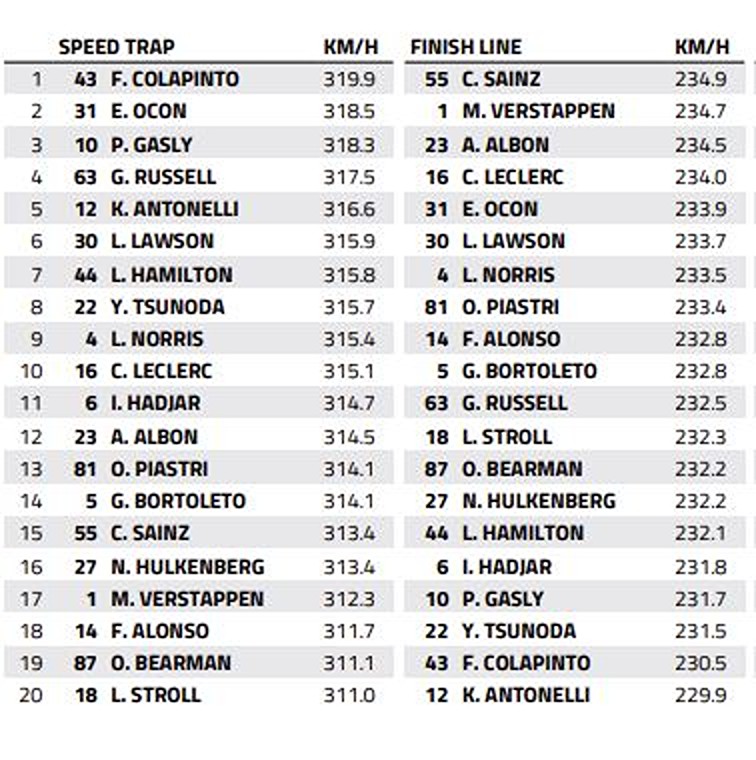
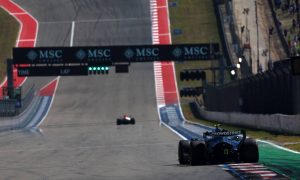
Subsequently, Verstappen was among the relative laggards at the top of Raidillon, where the speed trap is located. We have no idea why the latter isn’t positioned at the end of the Kemmel straight where top speeds are typically in excess of 340km/h, and much more with DRS and a good tow.
Anyway, the bottom line is that Red Bull has chosen to play it safe on Sunday with a car far closer to McLaren’s MCL39 in terms of its downforce levels, but one lacking Team Papaya’s secret sauce in terms of tyre degradation which brings us to our strategy corner.
Pirelli's Take on Tyre Strategy
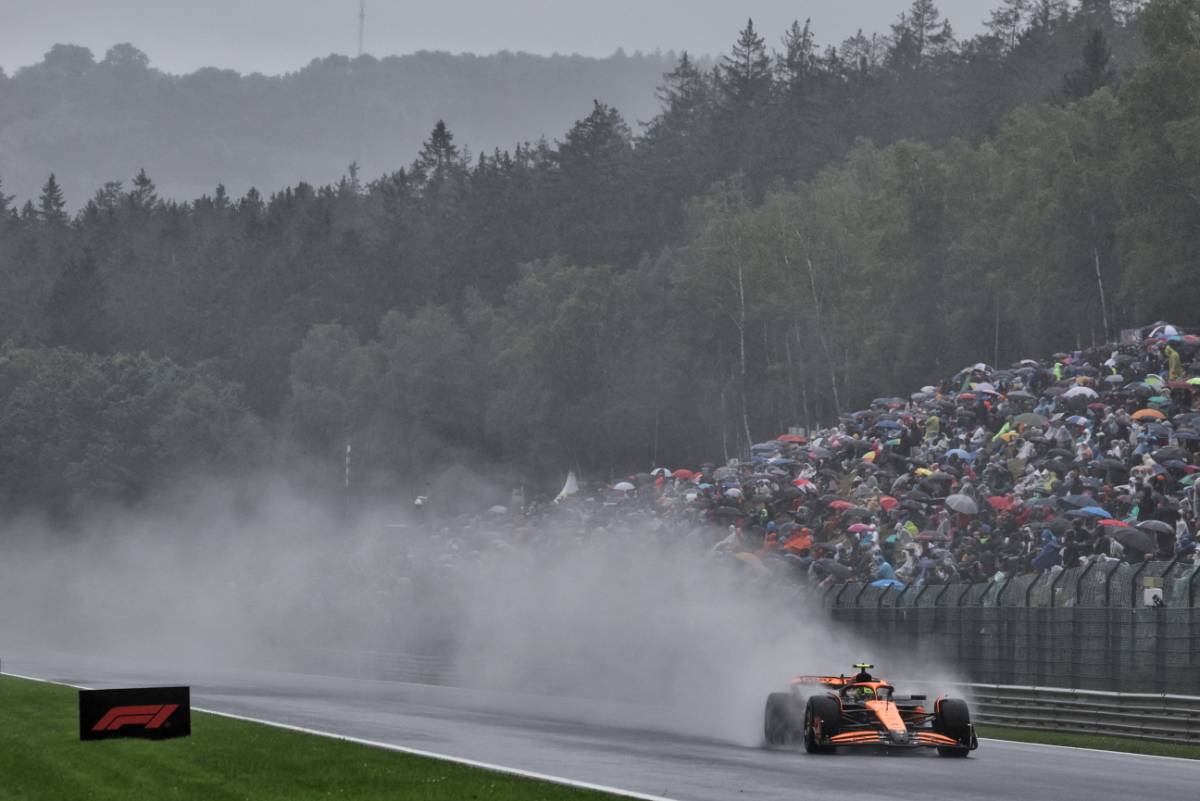
Rain on Sunday at Spa is a given, although when and how much is still anybody’s guess. Therefore the hypothetical scenarios are many, in every sense of the word as Pirelli F1 boss Mario Isola explained on Saturday.
“If it’s a dry race with track temperatures significantly lower than today’s or yesterday’s, the Soft and Medium compounds will be the most competitive,” he said. “As there is not that big a difference between a one-stop and a two-stop, any combination of Soft and Medium is possible.
“That doesn’t mean the decision to bring a very hard Hard here was a mistake: if we had kept the same trio as last year, the one-stop would have been significantly quicker.
“One must also bear in mind that overtaking at this track is not that easy, as could be seen in all of today’s Sprint races, in F1, F2 and F3, when trains of cars were formed despite or indeed because of the DRS.
“This means that the start, and especially the first sector on the opening lap, should make the difference and slipstreaming could play an important role.
“If the race starts in the dry, but with the threat of rain, one can easily imagine the Medium would be the favourite compound so as to have greater flexibility in managing the moment to switch to rain tyres or to extend the first stint as much as possible.”
In conclusion, all signs point to a strategic showdown between the McLarens if Sunday’s race runs dry, with their finely tuned balance and superior tyre management giving them a potential edge in clean air.
But should the heavens open up — suddenly or in bursts — all bets are off. Changing grip levels, split-second tyre gambles, and the sheer unpredictability of Spa in the wet could turn the race into a chaotic spectacle, where driver instinct and team timing will count just as much as raw pace.
Keep up to date with all the F1 news via X and Facebook