



A well-balanced car is a drivers' prime asset when it comes to being quick around the Hungaroring's tight and twisty high downforce layout, but strong velocity down the venue's main straight also comes in handy.
This is because top speed will help set up an overtaking opportunity at Budapest's Turn 1, the only corner on the 15-turn, 4.381km track where a driver stands a reasonable chance of passing a rival.
But with so much more time to gain overall around the track's twisty section – especially in qualifying as grid position is paramount – aero configuration and set-up work is focused first and foremost on maximum downforce and balance.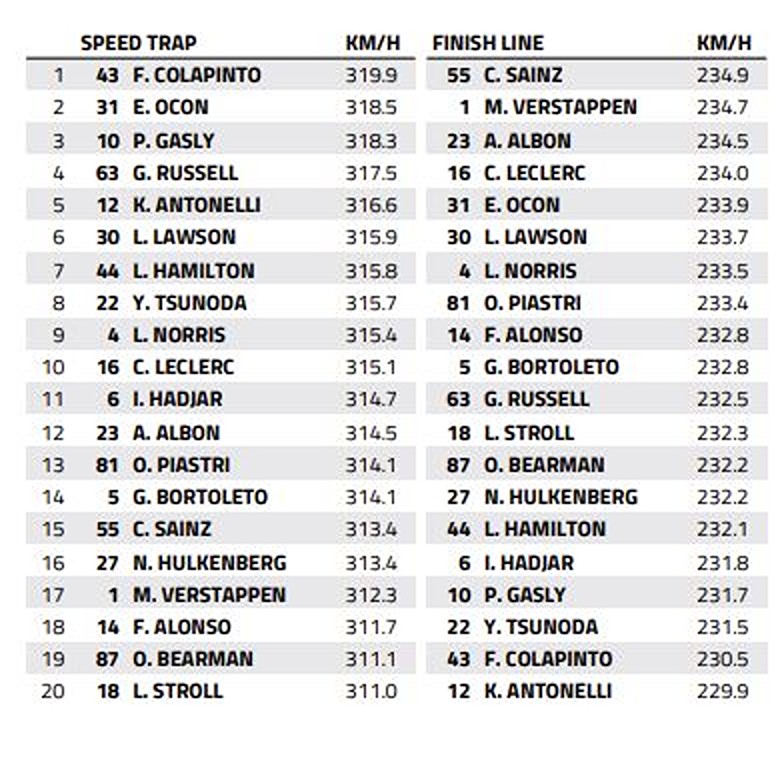
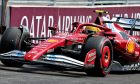
Shock poleman Charles Leclerc’s Ferrari was on par with Lando Norris’ McLaren in terms of its top speed down the main straight, suggesting drag levels are very similar between the two rivals’ cars.
However, as teams resorted in Hungary to Monaco-spec rear wings, McLaren has mounted a veritable air brake on its MCL39! That might explain the sudden impact of the wind - which changed direction in Q3 - on its car's performance.
If conditions are similar on Sunday afternoon, and in light of Ferrari’s strong aero efficiency, Piastri and Norris might be hard-pressed to overhaul Leclerc in the race, assuming the Monegasque exits Turn 1 ahead of his papaya rivals.
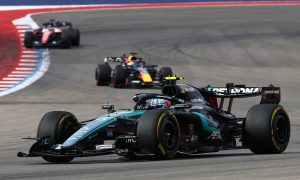
That makes for an interesting start and an even more engaging 70 laps around the Hungaroring, with George Russell’s Mercedes – the fastest of the front-runners down the straight and a beneficiary of the changing conditions in qualifying – potentially also in the hunt.
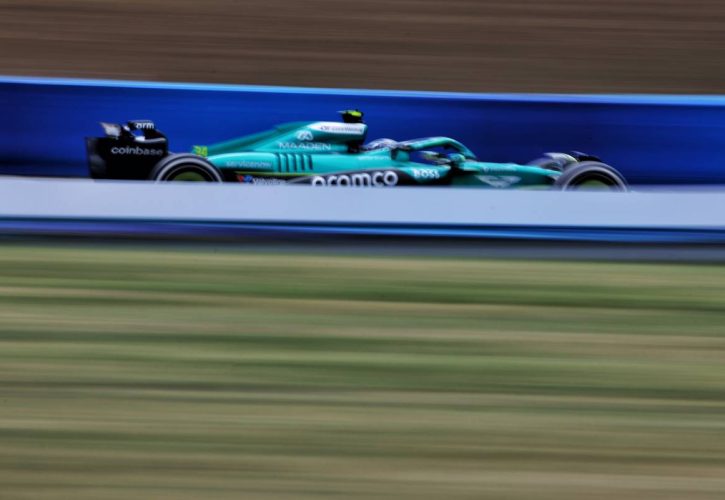
Unfortunately, while this weekend’s winding venue is playing to the strengths of Aston Martin’s car, Alonso and Stroll’s relatively depressed top speed does not bode well for their chances of a top five finish.
Strategy? If the race is dry, a two-stopper using mainly Hard and Medium tyres is clearly the fastest, according to Pirelli. But a strategy involving all three compounds cannot be ruled out, starting on Softs to try and make up places early on and then potentially exploiting clean air after the first pit stop.
Some in the mid-filed might be tempted by a Medium-to-Hard one stop solution if they feel they can properly manage thermal degradation.
Of course, if it rains – and that currently seems like a strong possibility – then all bets are off.
Keep up to date with all the F1 news via X and Facebook