



Williams team principal James Vowles has called on Formula 1 drivers to reserve judgment on the sport’s radically redesigned 2026 cars until they have had more simulator experience, warning that early impressions may be misleading.
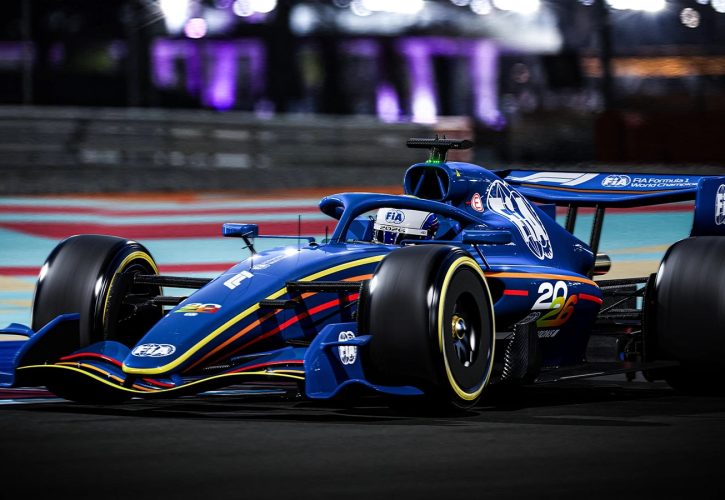
The upcoming regulations mark one of the most significant overhauls in F1 history, introducing both an all-new chassis and a power unit that will rely far more heavily on electric energy – approaching a 50-50 balance with the internal combustion engine.
This shift is expected to put energy management at the forefront of racing strategy and increase the mental demands on drivers.
Early driver-in-the-loop simulator runs have suggested that the new cars will not only drive differently from the current generation but will also require considerably greater mental processing to optimise performance.
Adapting to a New Driving Challenge
Some drivers, including Ferrari’s Charles Leclerc, have already expressed frustration after sampling early simulator versions. But Vowles said those opinions are often based on limited exposure.
“The first time any of our simulator drivers drove the 2026 regulations it was difficult, because it is a complete change on certain aspects of how you drive,” explained the Williams chief, quoted by Motorsport.com.
“Then the second time it became more normal – still complaints. And by the fourth time, there really wasn’t much in terms of discussion over it. It just became the norm.
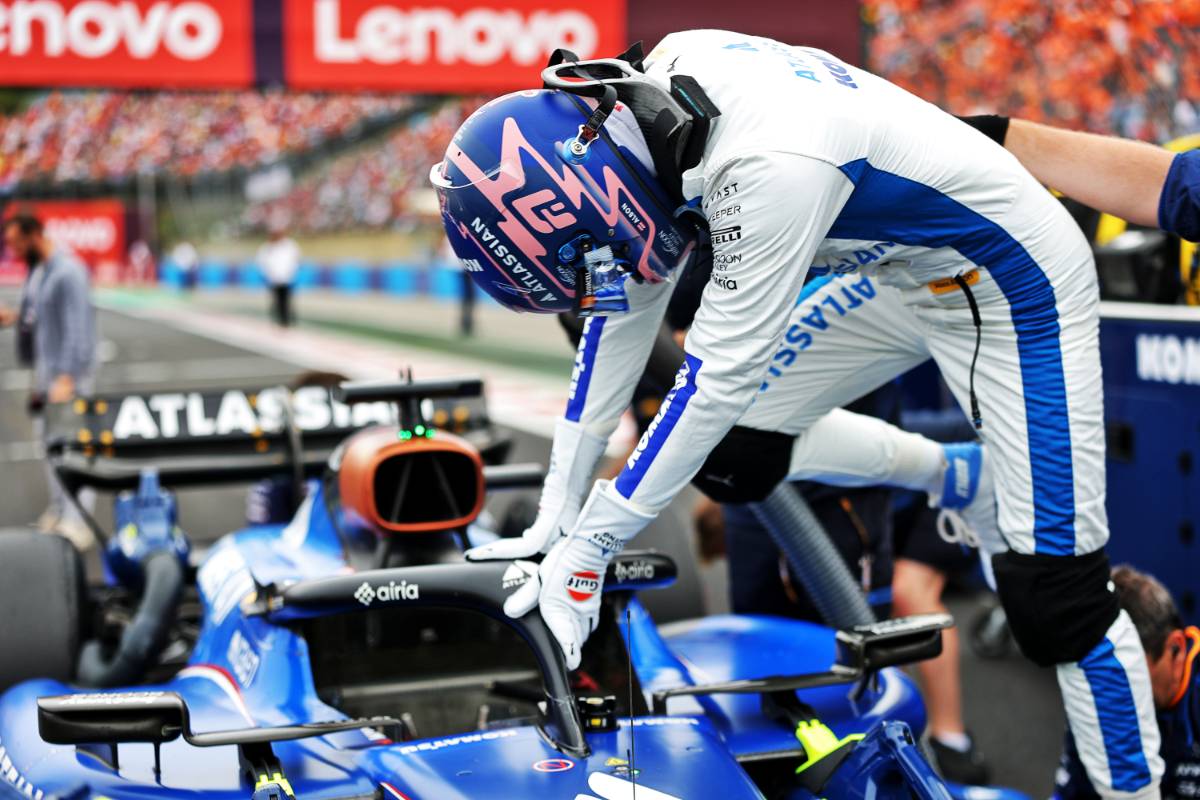
“So, what I ask everyone to do is be careful. Ask the driver how many times they’ve driven the simulator as you adjudicate their answer. I guarantee you it’s once. It’s probably the first initial response. And those that have driven it four or five are like: ‘I understand it now.’
“Is it refined enough? We’ve got a lot more work to do to refine it, and we’ve got to make it easier on the driver, because I think the workload is actually very, very difficult for the driver at the moment.
“But we have another six months to run before we’re there, so I’m confident we can fix that.”
Drivers Preparing for a Mental Marathon
Williams’ Alex Albon, who has tried what is believed to be a more advanced simulator model of the 2026 car, echoed the view that mastering the new energy management demands will be key to success.
“It’s really early days at the moment, but just look at Formula E as a more extreme version as to where we’re going to go to. You can see how the drivers manipulate the race and qualifying and how they deploy and all these kinds of things to gain performance,” Albon said.
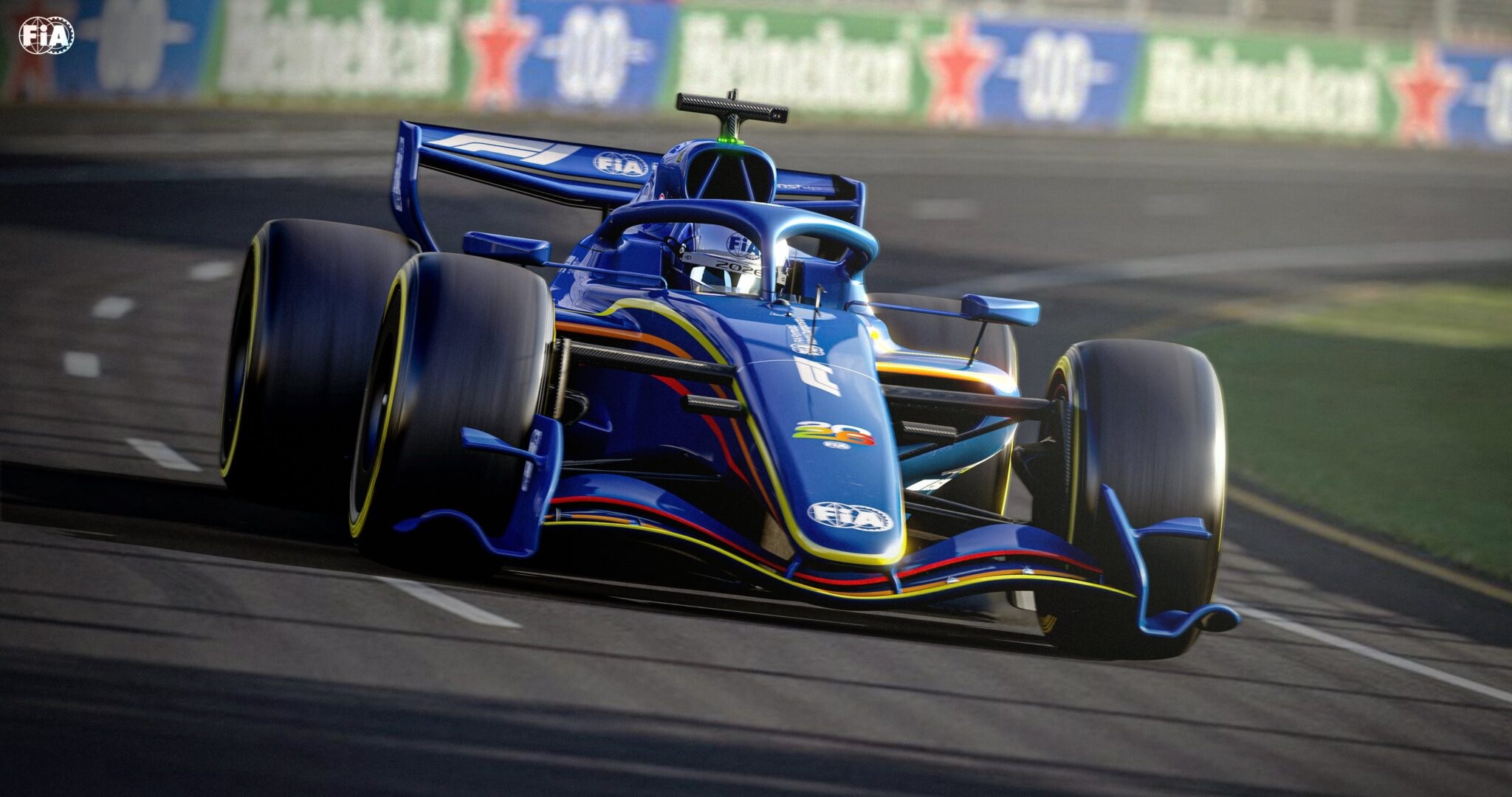
©FIA
“It’s not going to be that extreme, but drivers who have the brain capacity to understand and facilitate all these demands will go well.
“There’s going to be so much more attention on simulator work over the winter, and making sure that we understand how it all works and trying different driving styles.”
More Tools for Overtaking
While some in the paddock have raised concerns about the new rules’ impact on racing – particularly with active aerodynamics replacing the current DRS system, and overtaking instead aided by a “manual override mode” linked to the power unit – Vowles believes the changes could actually enhance wheel-to-wheel action.
“I think you’re going to get much bigger differences in straightline speed on certain straights because of how much you can play with the energy and various modes,” he said. “And so, I think at some point the overtaking could actually be accentuated, not hindered as a result of it.
“The racing concept actually means that if you have a faster car, I think there are more tools at your disposal as a driver to be able to use than this year, even including DRS in there.”
With six months to fine-tune the 2026 package, Vowles remains optimistic that both the physical and cognitive challenges will become manageable – and that the new era could deliver even more dynamic racing.
Keep up to date with all the F1 news via X and Facebook