

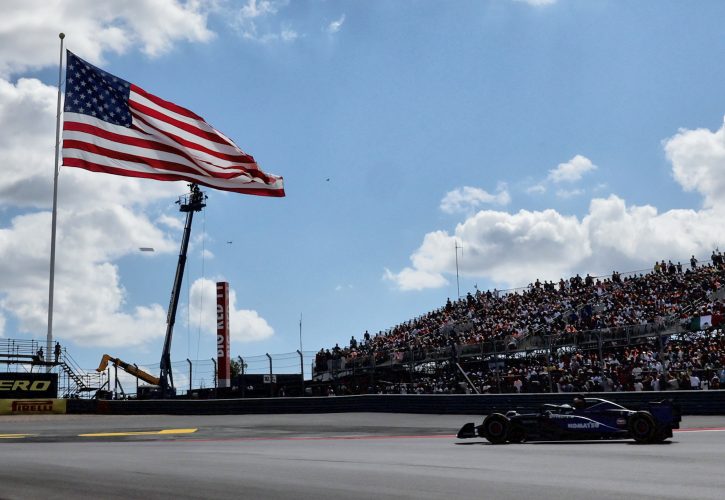


McLaren Racing CEO Zak Brown believes Formula 1’s ability to finally embrace openness and fan engagement – after decades of exclusivity and instability – has been the key to unlocking the American market where the sport had long failed to gain traction.
For the better part of the sport’s modern era, Formula 1 relied on makeshift tracks in improbable locations in the US that failed to garner success with either promoters or fans.
One exception was Indianapolis which hosted eight races between 2000 and 2007 but which endured a catastrophic event in 2005 that doomed the venue’s tenure on the calendar.
On the How Leaders Lead podcast hosted by David Novak, Brown explained that Formula 1’s struggles in America basically came down to three main issues: inconsistent venues, a lack of continuity, and an image problem that left fans feeling excluded.
A History of False Starts
“One, we never really found a permanent location, dating back to the ’70s,” Brown said, recounting the nomadic history of Formula 1 in America.
“You were Long Beach, then you were Watkins Glen, then you were Dallas, then you were a parking lot in Vegas for two years, then you were Phoenix. Then you took five, six, seven, eight years off.
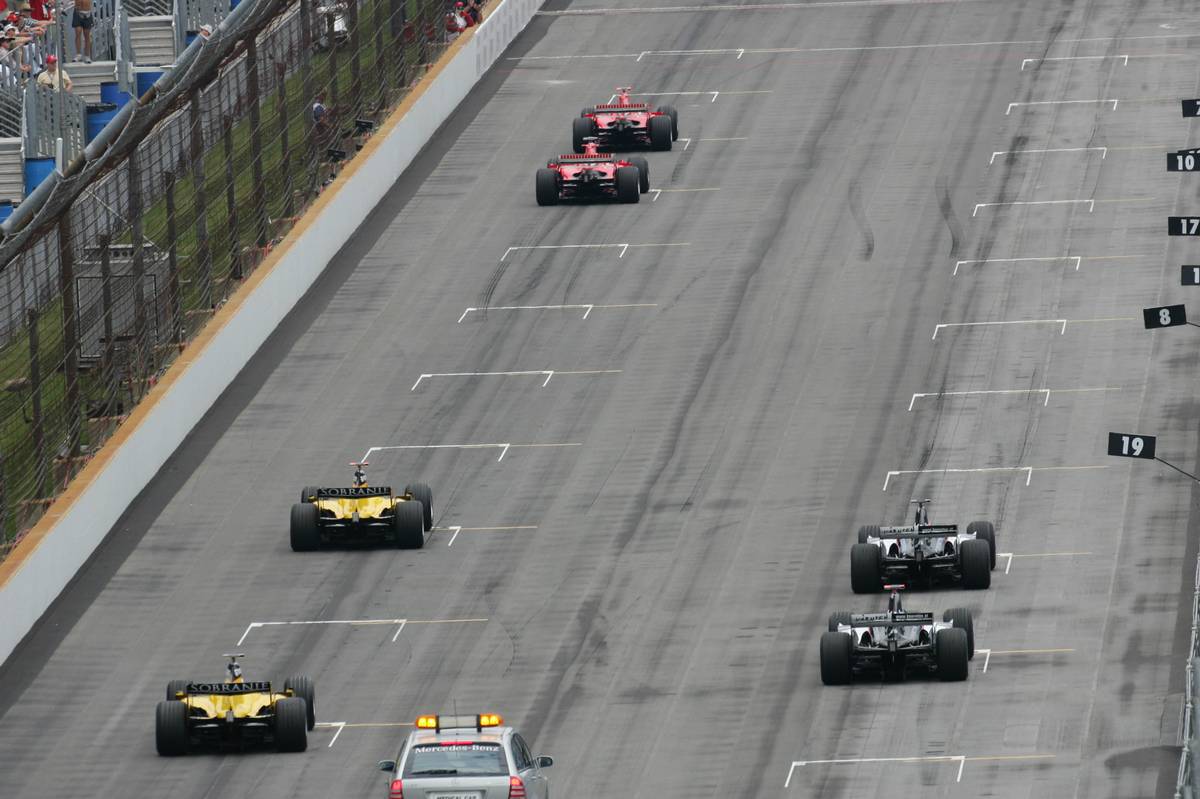
The starting grid for the 2005 United States Grand Prix © XPB
“Then we came back to Indianapolis. Then we had this ‘tyregate,’ as we called it, so we didn’t put on a good show. Then we disappeared again.
“You’re not going to have any sport be popular in North America if you’re not there or you have no date or location equity.”
Brown pointed out that this lack of stability made it almost impossible for Formula 1 to build a loyal following in the U.S. – until the arrival of the Circuit of the Americas in Austin in 2012, which gave the sport a much-needed permanent home.
From Exclusive to Inclusive
Another problem, Brown admitted, was Formula 1’s reputation as an exclusive, closed-off world.
“We also were a sport that was very exclusive, or perceived to be very exclusive and not very inclusive,” he said.
“That’s where, when Liberty came in and acquired the sport, they went, ‘Wow, the sport’s huge, but it doesn’t really engage with its fan base like the NBA’s, the NFL’s, the MLBs, even the Premier Leagues.
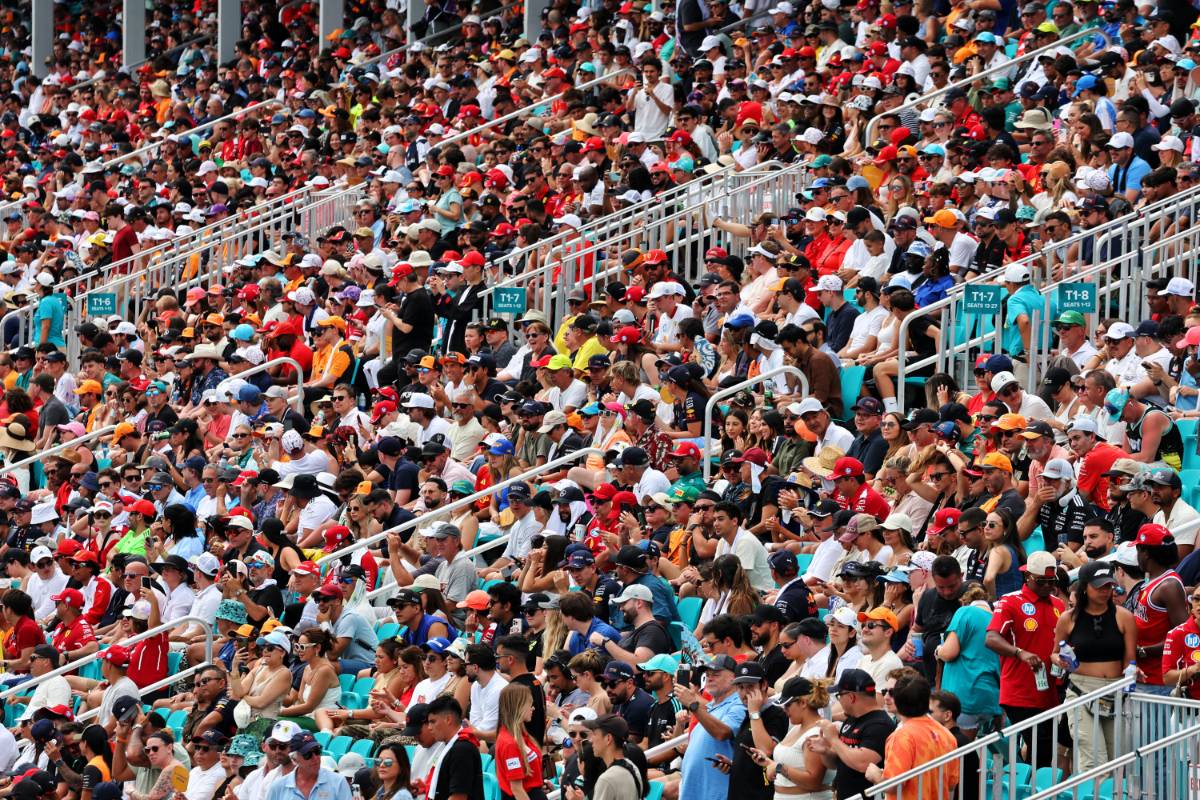
“I think that was fine for a long time, but now we’re in an era of engagement, not awareness. We weren’t engaging with our fans. We weren’t letting them inside. We were ‘look, don’t touch.’”
When Liberty Media took control of Formula 1 in 2017, it prioritized connecting with fans and expanding access. Netflix soon followed with its popular Drive to Survive documentary series, which Brown credits as a turning point for the sport’s image in America.
Letting Fans “See Behind the Curtains”
“When Liberty bought it and you had Netflix come in, we started kind of letting people see behind the curtains, people went, ‘Wow, this sport’s awesome. I’ve never seen that before. I’ve never been close to it before,’” Brown explained.
“Then over time, we got three races, starting with Austin, which is one of the best grands prix on our calendar.
“So you went from being not here and exclusive to being here, inclusive, and very focused on engagement.”
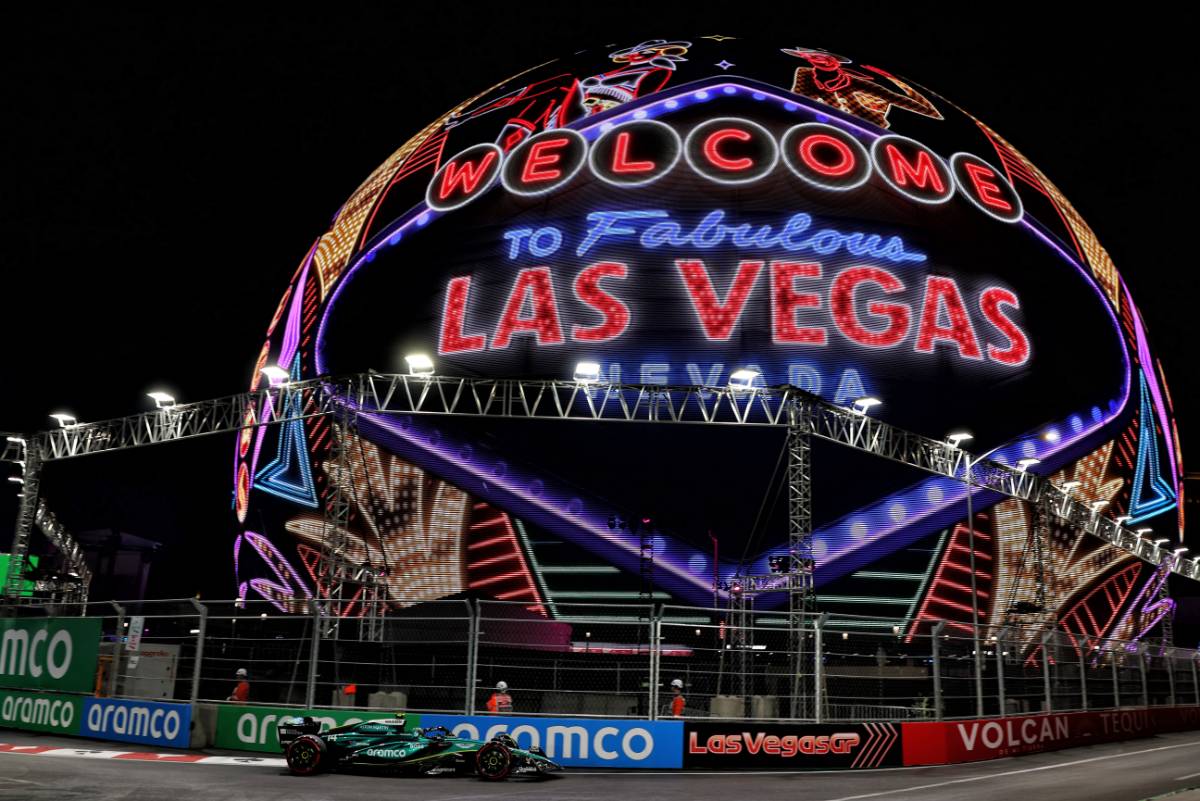
That shift has transformed the sport’s perception, with Miami joining the calendar in 2022 and Las Vegas debuting in 2023, making the U.S. one of the most important markets for F1.
Embracing Entertainment
Brown also highlighted a broader cultural shift within Formula 1 – an acceptance that, like all major sports, F1 is part of the entertainment industry.
“I think what Formula 1 has learned, and is continuing to learn, is that sport is entertainment,” he said.
“You’ll hear sometimes in Formula 1 where we go, ‘No, we’re not entertainment.’ It’s like, well, as far as I’m concerned, if you buy a ticket to sit in a seat to watch a movie, a motor race, a baseball game, a rock concert, a fireworks show, you’re going to be entertained.
“I think the sport has now embraced that there’s an entertainment aspect to what we do, and the fans are responding accordingly.”
Read also:
For the McLaren chief, the formula has been clear: stability through venues, accessibility through fan engagement, and visibility through media. The combination has propelled Formula 1 from a niche curiosity in the U.S. to a fast-growing sporting juggernaut.
And while Liberty Media’s commercial push has been central, Brown suggests the most important change is cultural: Formula 1 finally letting people “see behind the curtains.”
Keep up to date with all the F1 news via X and Facebook