



A growing wave of discontent has erupted in Madrid over the city’s plan to host its very first F1 Grand Prix in 2026, an event officially scheduled on the sport’s calendar in September of next year.
Local activists, under the banner of the 'Stop Formula 1 Madrid' platform, have mobilized to challenge the construction of the "Madring" track, arguing that the event prioritizes spectacle over community well-being.
As the development of F1’s future venue in Madrid advances amid sweltering summer heat, protesters are intensifying their efforts to derail the project, drawing parallels to past financial missteps in Spanish motorsport history.
And just a year away from the inaugural race, this grassroots movement is gaining traction, highlighting tensions between economic ambitions and environmental realities.
The Spanish capital’s F1 project has been championed by local officials and boosted by the involvement of Madrid-born Williams driver Carlos Sainz, who serves as an ambassador for the event.
“Our neighbourhood is not a racetrack”
Centered around the IFEMA exhibition center in the Barajas district, the 5.47-kilometer circuit blends urban streets with purpose-built sections, featuring 22 turns, a prominent banked corner inspired by the city's bullfighting heritage, and a projected top speed of over 340 km/h.
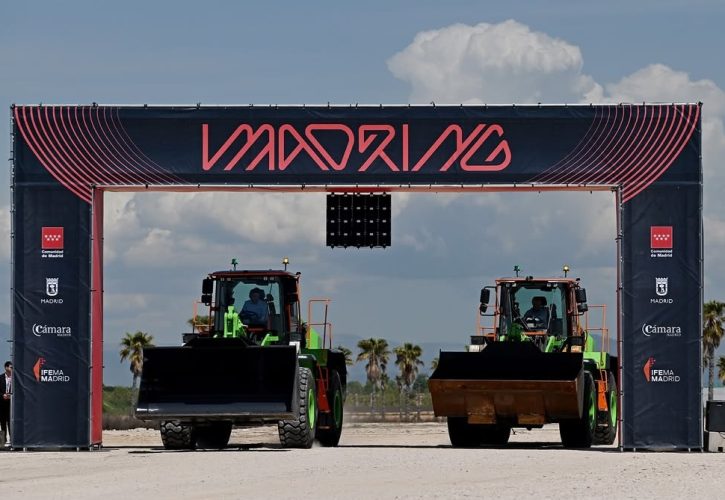
Construction kicked off in April 2025 with a ceremonial groundbreaking attended by high-profile figures, including Sainz and Madrid's regional president Isabel Díaz Ayuso.
©X.com
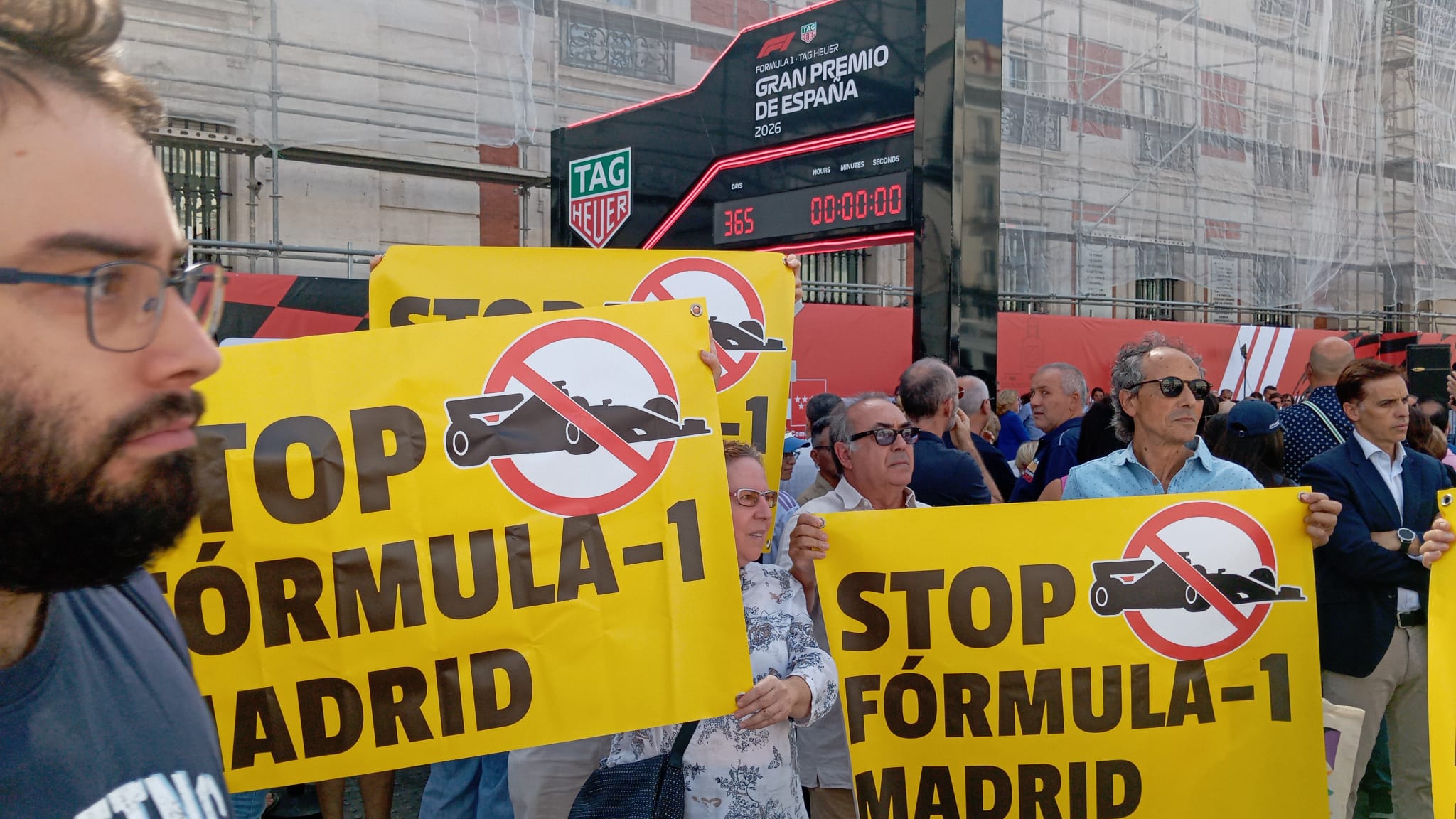
Despite an initial wave of enthusiasm, many Madrid residents remain unconvinced. On Sunday, the protest group ‘Stop Formula 1 Madrid’ staged a demonstration under the slogan “Our neighbourhood is not a racetrack.”
Concerns raised by the movement include environmental damage, increased noise pollution, and the disruption caused by hosting a large-scale street event.
One protester summed up the sentiment, warning: “Only a few have the benefits, everyone has to bear the losses.”
The campaigners have also pointed to the troubled history of Spain’s last attempt at a city-based Formula 1 race. Valencia hosted the European Grand Prix from 2008 to 2012, but the project collapsed before its planned seven-race run, leaving the city with debts estimated at £255 million.
Balancing Sporting Ambition and Local Resistance
For now, construction continues unabated, with organisers keen to emphasize the potential economic benefits and international exposure that the Grand Prix could bring.
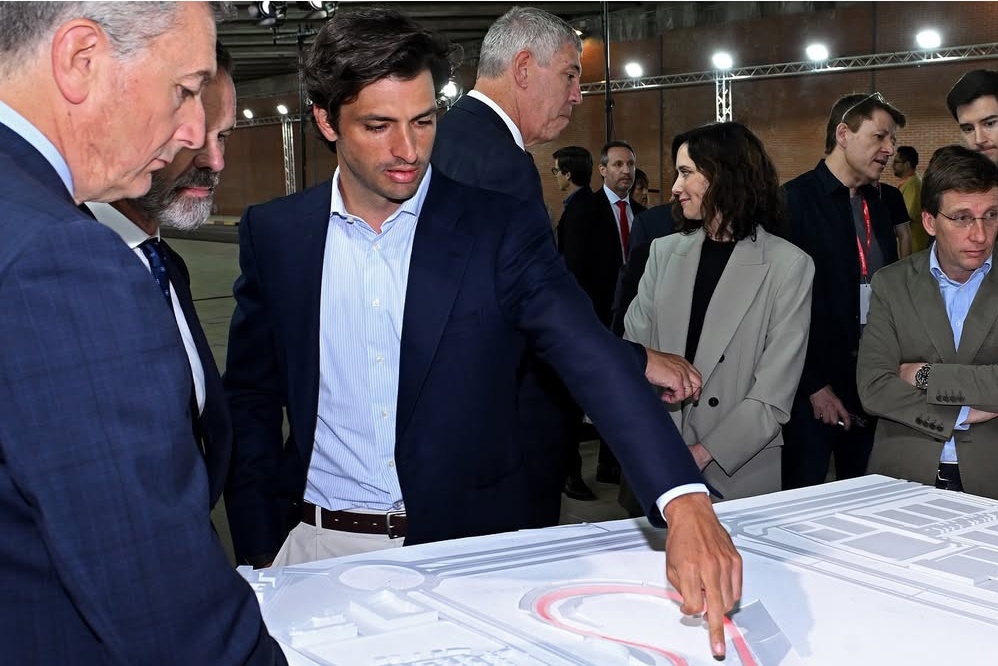
Sainz himself has spoken of his desire to influence the design of the track to ensure it delivers strong racing, particularly overtaking opportunities.
©IFEMA
But the emergence of organised opposition highlights a growing rift between promoters eager to spotlight Madrid on the global stage and residents worried about the long-term costs.
As the clock ticks toward the city’s first-ever Formula 1 race, the debate over whether the “Madring” will be a triumph or a misstep is far from settled.
Read also: Sainz promises Madrid’s Madring will wow F1 drivers in 2026
Keep up to date with all the F1 news via X and Facebook