




As Formula 1 gears up for a transformative 2026 season with sweeping changes to its chassis and power unit regulations, FIA single-seater director Nikolas Tombazis has cautioned against premature predictions about which teams will dominate.
The new rules promise to shake up the grid, but Tombazis emphasizes that early speculation, particularly around power unit performance, is little more than guesswork, while upheaval also means unpredictability.
Although the sport’s revised regulations are designed to level the playing field and foster closer competition, the FIA official warns that the initial impact of these changes will likely lead to a broader performance gap across the grid.
“Invariably, a new regulation will have a wider spread initially. That is part of the game,” he told Planet F1. “It will also have more variable performance initially, meaning there will be some ups and downs as people learn the new regulations.”
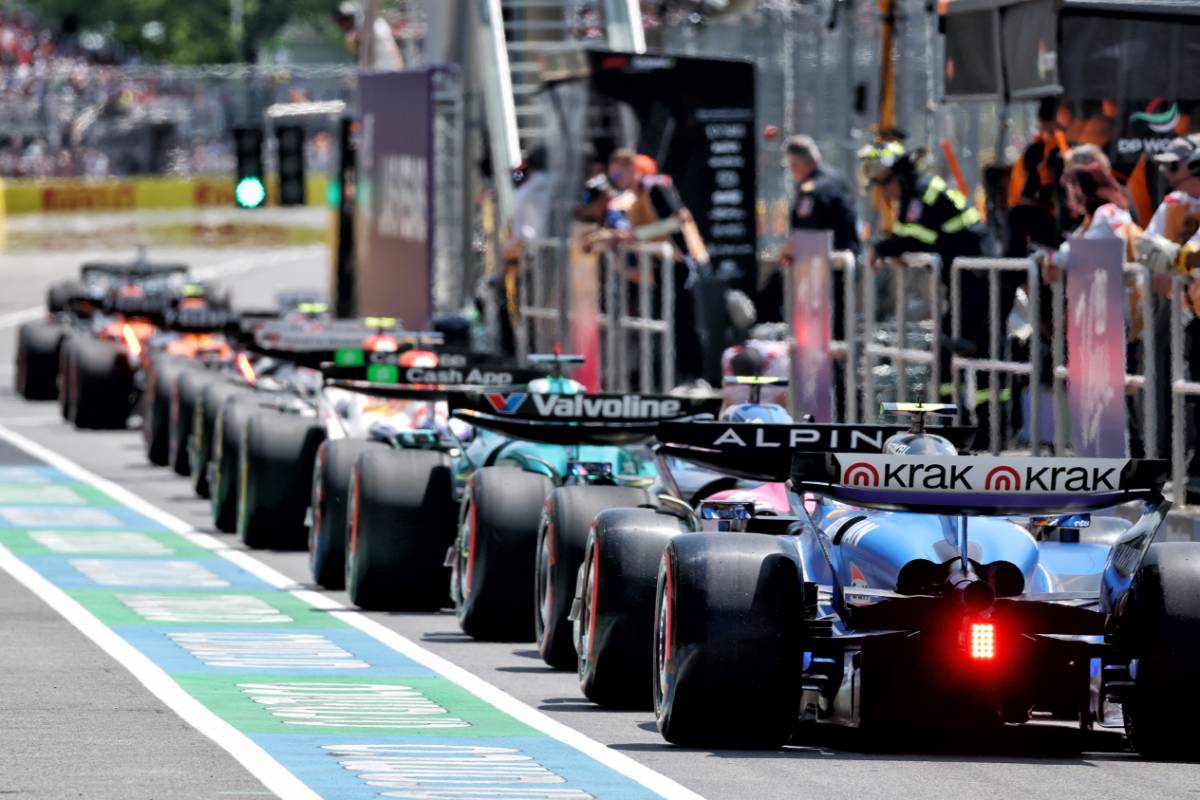
In recent years, F1 has seen unprecedented convergence, with the entire field often separated by mere fractions of a second in qualifying.
The new rules, however, are expected to disrupt this tight pack, introducing variability in both performance and reliability as teams adapt to the unfamiliar technical landscape.
Power Unit Speculation: No Clear Picture
Much of the pre-season buzz has centered on power unit performance, with memories of Mercedes’ dominance following the 2014 engine regulation overhaul still fresh.
The German manufacturer’s early mastery of the hybrid era led to eight consecutive constructors’ titles, and many expect them to set the pace again in 2026. Yet Tombazis insists that no team has a clear advantage – at least not from the FIA’s perspective.
“The FIA doesn’t have access to the people’s horsepower or downforce in the wind tunnel or the exact performance they’re going for,” he explained.
“We don’t know that. It’s not part of the regulation that we can have access to this data, for obvious reasons. Therefore, exactly who’s doing well and who’s doing badly, I think, is somewhat still very much speculated.
“So all of these speculations that somebody will do particularly well or particularly badly, I think it’s all just that, speculation.”
This lack of concrete data underscores the uncertainty surrounding the 2026 pecking order, making it impossible for the FIA to validate claims about which teams might lead or lag.
Newcomers Face “Doubly” Steep Learning Curve
The 2026 entry list also brings fresh challenges for Audi and Cadillac, who will take their first steps as F1 competitors. While Audi transitions from its current Stake-branded team into a full works outfit, Cadillac enters the grid as a new franchise with Ferrari-supplied engines for its first three seasons.
Tombazis warned that both will have no choice but to battle through a harsher adaptation curve, Audi on the engine front and Cadillac as an overall new competitor.
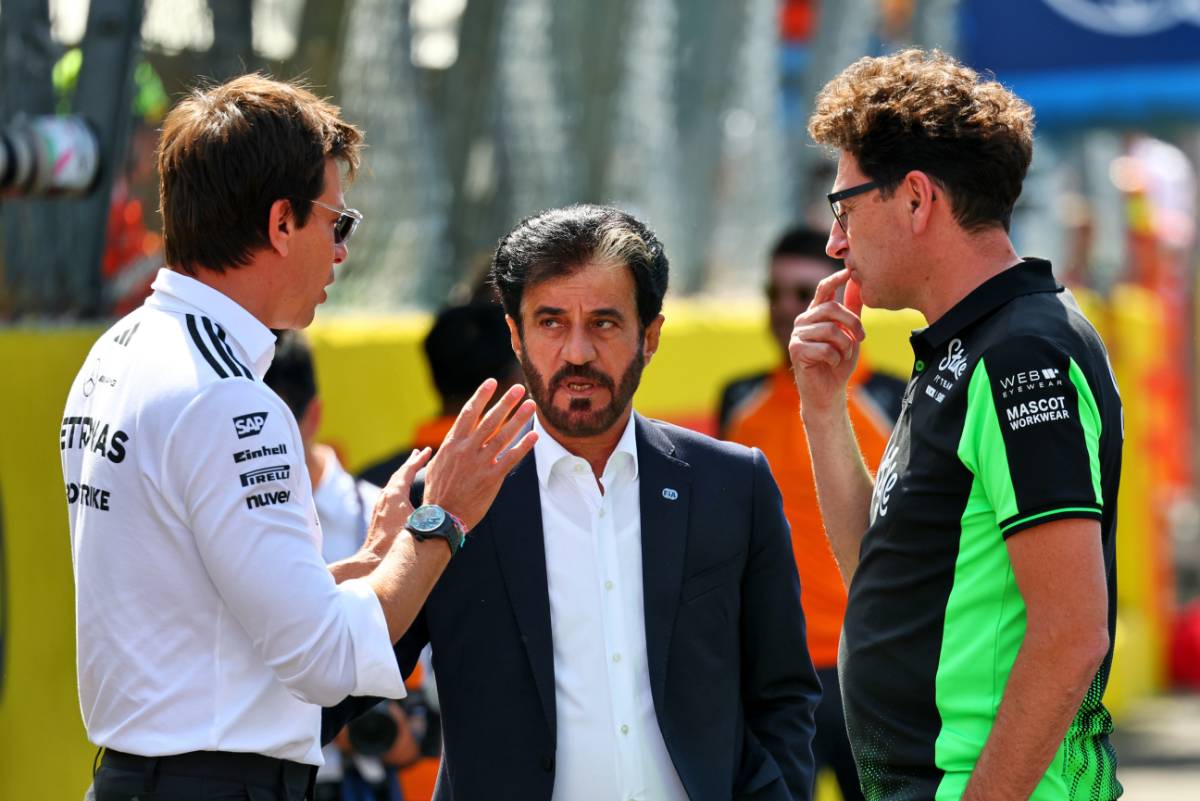
"Clearly, there are some newcomers," Tombazis said. "They have a very uphill road to follow and, logically, they will have a steep learning curve.
"It will be a steep learning curve for everybody, of course, because of the new regulations, but for them, it will be doubly so."
With every team facing the unknown, Tombazis’ message is clear: any talk of 2026 frontrunners is premature, and the true picture will only emerge once the lights go out next year.
Read also: Mekies admits Red Bull 2026 engine gamble ‘as crazy as it gets’
Keep up to date with all the F1 news via X and Facebook