

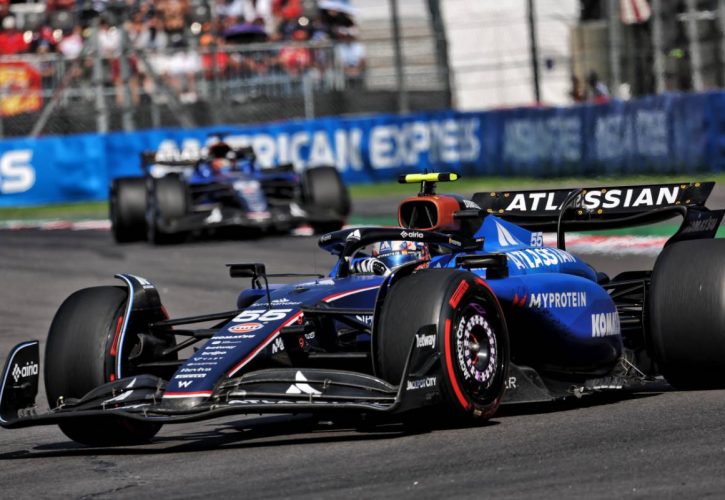


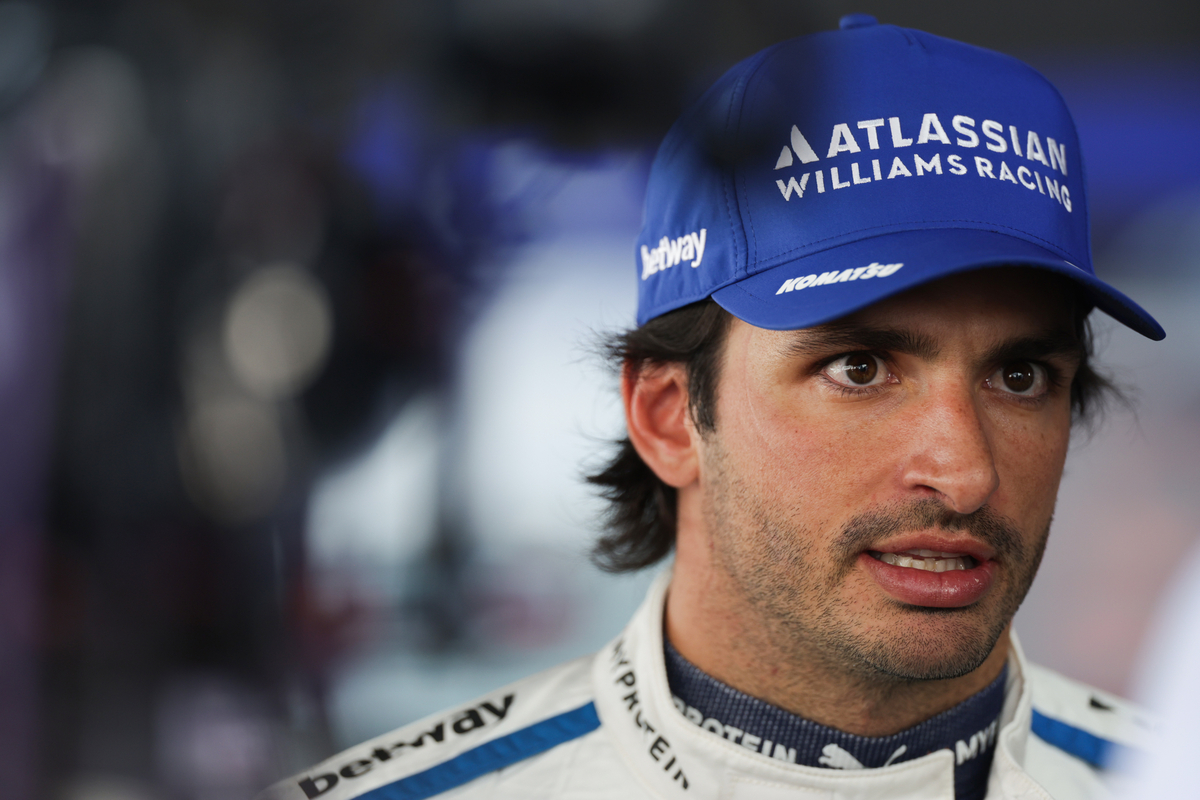
Carlos Sainz’s hopes of extending his strong post-summer form came undone almost instantly at the Mexico City Grand Prix, as the Williams driver was forced to retire following early contact with Liam Lawson.
Both Sainz and team principal James Vowles later revealed that the opening-lap collision with the Racing Bulls driver had triggered a chain reaction of issues that condemned the Spaniard to an afternoon of frustration.
Sainz qualified a strong P7 but lined up P12 as the result of a five-place grid penalty carried over from Austin, but the Williams charger was nevertheless optimistic about salvaging points at the Autodromo Hermanos Rodriguez.
Alas his race unraveled in the opening moments when he tangled with Lawson, damaging key sensors on his Williams FW47.
Early Contact, Lasting Consequences
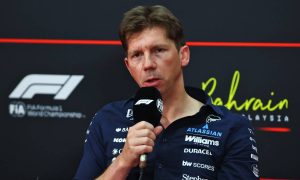
“The positive news is the car was very fast, but we were unable to use it,” Vowles explained after the race.
“In the case of Carlos, the race was over after Turn 1 and the damage resulted in both a flatspot but also damage to our wheel speed sensors, which are critical for the pit speed limiter.”
©Williams
The malfunction meant Sainz’s pit limiter was unreliable, causing him to exceed the speed limit twice in the pitlane – first earning a five-second time penalty, then a drive-through.
“The net result is that we had to box earlier as the vibrations were significant, putting us on a two-stop, which led to us going 0.2 kilometres an hour over the pit speed limit, and receiving the five-second penalty,” Vowles continued.
“When we came in for the second stop, we tried controlling it manually at 70 kilometres an hour, and on exit, Carlos still went slightly over the pit speed limiter, resulting in a drive-through penalty, which we completed.
Without the drive-through penalty, and even with all the other elements, Carlos was still fighting for a point today, which is very impressive.”
Pushing On Amid the Setbacks
Despite the setbacks, Sainz pushed on in his wounded car, maintaining competitive pace even with compromised tyres and strategy.
“From there on, even if we got a five seconds penalty at the first pitstop, we were still in the hunt for points,” Sainz explained.
“But then we had to do a second pitstop. We had the issue again of the pit limiter and we basically had a very difficult day. A shame because I was really quick and even if I had a compromised strategy, compromised tyres, compromised car, we were quick, but too many issues.”
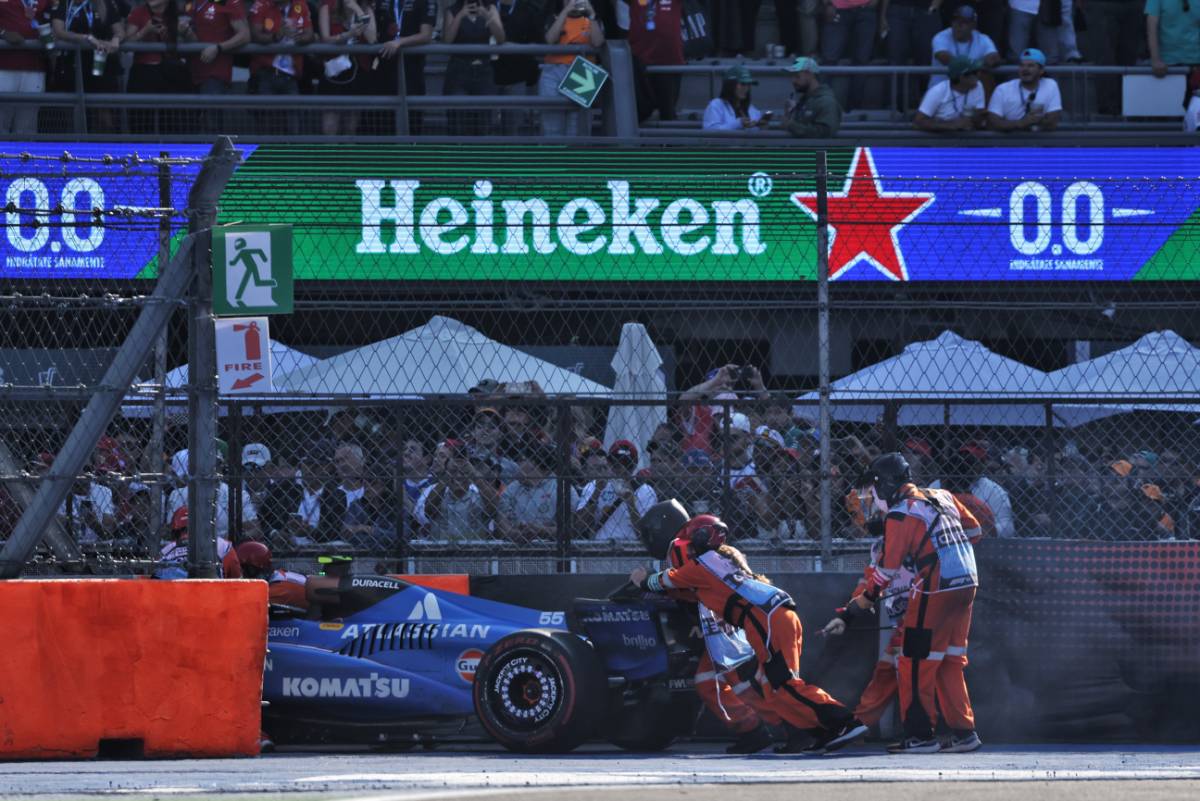
With his race already heavily compromised, Sainz’s final moments on track brought further drama when he spun while chasing Lance Stroll, eventually parking his car near the barriers in the stadium section – a move that inadvertently triggered a Virtual Safety Car.
“I was just pushing, I was behind Lance [Stroll], pushing him flat out to see if I could get P14,” Sainz revealed. “I had overheating on the tyre and I had a half spin, but anyway we were going to retire the car.”
His decision to pull off sparked debate, with some suggesting he could have avoided neutralising the race. Sainz, however, defended his maneuver.
“I went into the inside of the barrier with my car, trying to avoid any Safety Car or VSC, I think I did the safest thing I could do,” he insisted.
“So I felt I put the car safe enough. I don’t know if it was VSC, double yellow or what, but I definitely tried to avoid any of that.”
Keep up to date with all the F1 news via X and Facebook