



Carlos Sainz reckoned that points were on the cards at last weekend’s São Paulo Grand Prix if it hadn’t been for a double dose of misfortune that began on the opening lap.
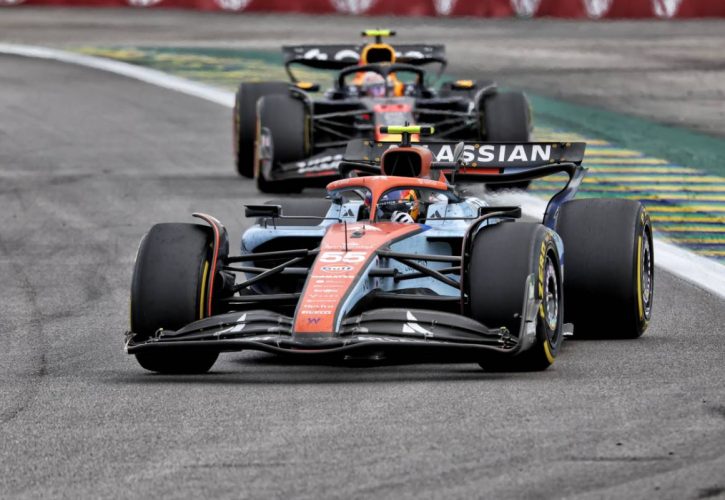
A tight bottleneck into Turn 1 after the start resulted in contact with Lewis Hamilton’s Ferrari, leaving Sainz’s FW47 with damaged front-wing aerodynamics – an injury that haunted him for the rest of the race.
“Yeah, I think I got squeezed by… I think it was Lewis on the outside and I picked up front-wing damage that compromised my race for the rest of the race,” Sainz told reporters.
From that moment on, any hope of a smooth, points-paying finish slipped further out of reach. The Spaniard spent the remainder of the Grand Prix contending with a car severely compromised in balance and downforce.
“I was a lot of points down on my front wing and as a consequence the rest of the car,” he admitted.
“But yeah, we managed to stay in the race, managed to stay in the hunt for points.”
Chasing Points That Slipped Away
Even as Sainz fought tirelessly through the field, the challenges kept compounding. A slow pitstop by his Williams’ crews eradicated a chance at a strategic undercut, leaving him trapped just outside the top 10.
“It was another step back,” he said. “And from there, yeah, just always chasing the points. We were always P11, P12, P11, P12, hanging on there with a damaged car.
“In the end we were just a few seconds away from the points, which probably without the damage and without the slow pitstop potentially we could have been there.”
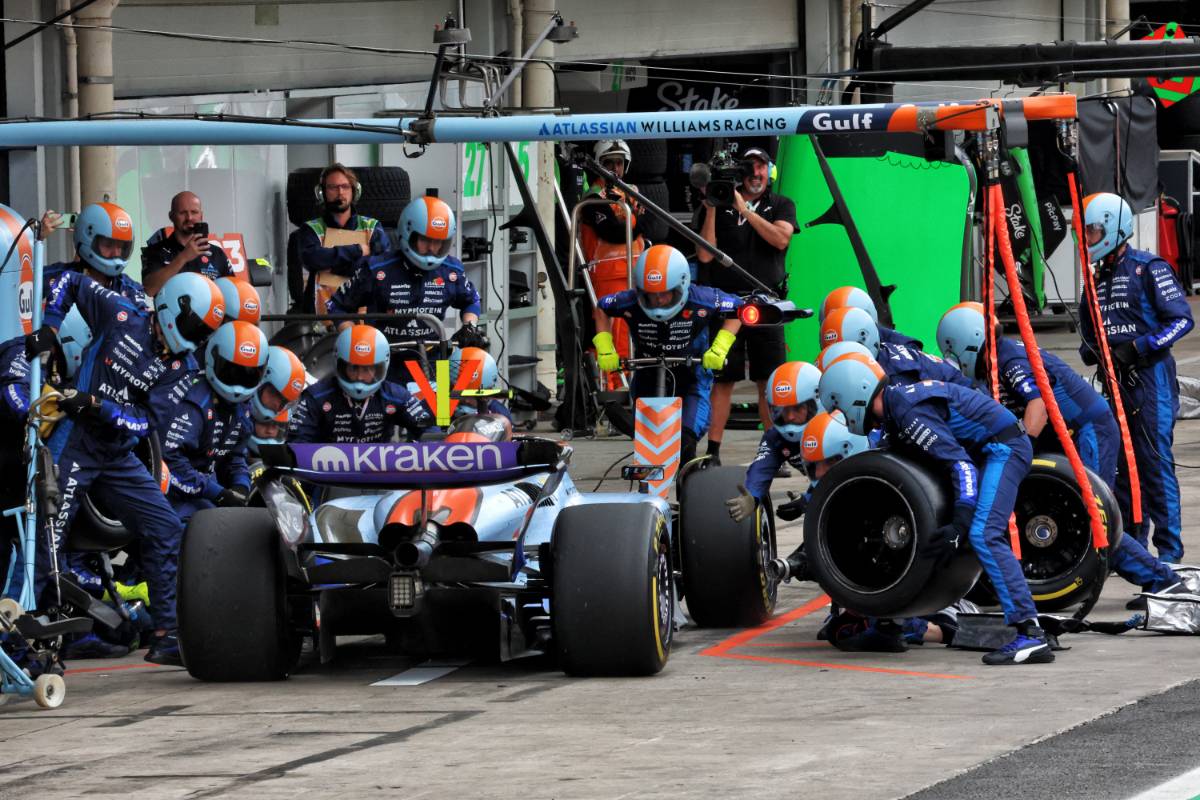
Williams opted against replacing the front wing mid-race, a decision dictated by time rather than ambition.
“No, we would have lost too much time and you’re better off adding flaps, trying to compensate it and going for it.”
Despite these setbacks, Sainz maintained a sense of professional resolve, determined to extract every possible advantage from a compromised car. Yet the visible frustration – and the sense of a race lost before it began – was undeniable.
Lessons for the Future
Even as São Paulo left a bitter taste, Sainz is looking ahead to Las Vegas with cautious optimism. The street circuit’s sharp, medium-speed corners should suit Williams’ FW47 more than the high-speed sweeps of Interlagos.
“For me, as a team it’s just important to understand how we can keep improving the weakness of the long, medium, low speed, long corner that always compromises us,” he emphasised.
“Luckily, Vegas next, which is completely the opposite to this and probably the cars that were strong here will be weak in Vegas and vice versa.”
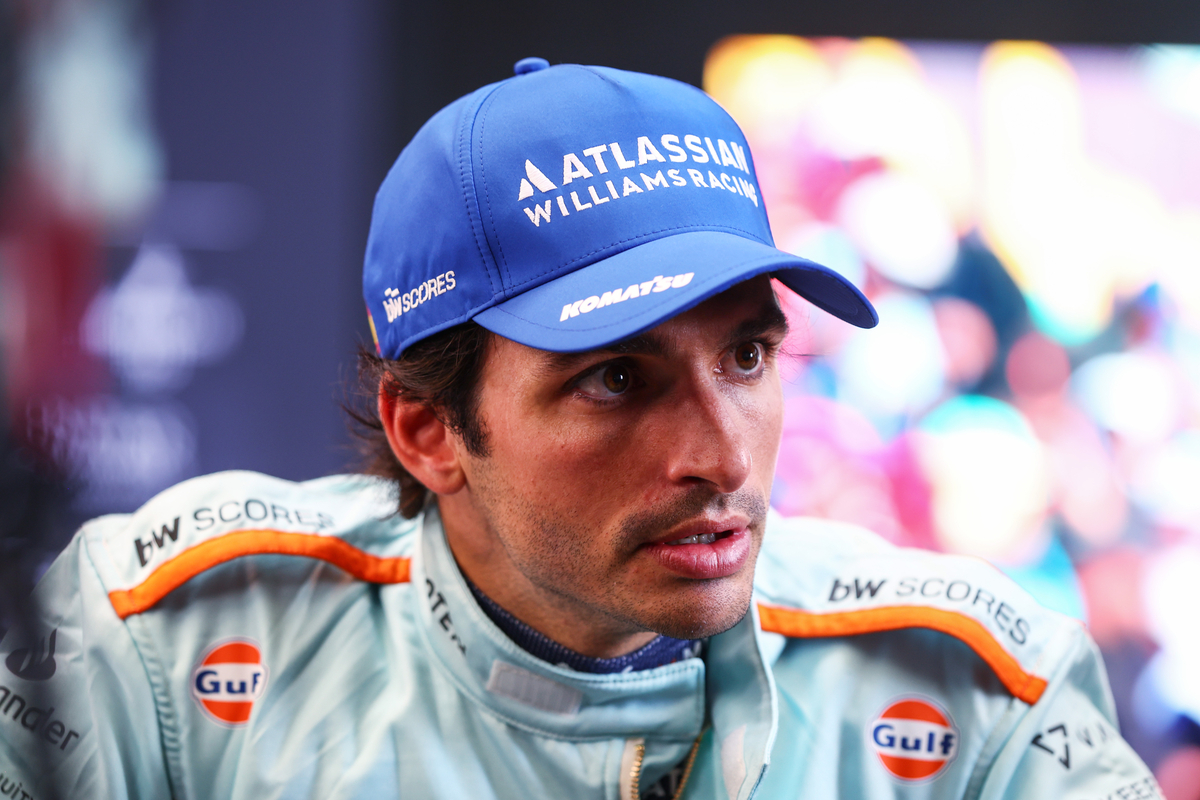
©Williams
Sainz also stressed the need for the team to address lingering weaknesses before the final three races, to prevent recurring heartbreaks.
“Just as a team we need to get on top of those issues which compromise and will compromise Qatar, compromise here, so keen to keep working as a team on that.”
As the season nears its climax, Sainz’s Sao Paulo ordeal stands as a somber reminder of Formula 1’s unforgiving nature. For Williams, the points that slipped away in Brazil are a wound that may yet heal in Vegas – but only if the team can rise above the shadows of misfortune and execute flawlessly.
Keep up to date with all the F1 news via X and Facebook