

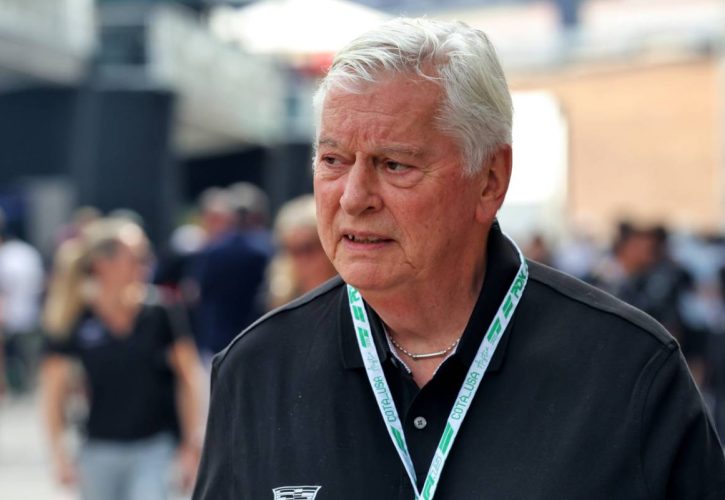


After several years shaping Formula 1 from the corridors of governance, Pat Symonds has returned to the sharp end of competition, drawn in by what he describes as a rare combination of ambition, realism and long-term thinking at Cadillac’s emerging F1 programme.
Now an executive engineering consultant to the American outfit Symonds has been candid about why the GM-backed project persuaded him to step back into the paddock with genuine skin in the game. At its core, the decision was emotional as much as professional.
“I remember walking into the paddock and having this really strange sensation that I didn’t care who won the race. That was really weird, and over time I started to miss that competitive spirit,” he told Autocar.
That feeling grew during his final stint as Formula 1’s technical director, where he helped shape the rules but felt increasingly disconnected from their consequences.
While proud of much of the regulatory work, Symonds admitted parts of the 2026 framework did not align with his personal philosophy.
He was particularly blunt on the power unit direction, calling it “not what I wanted it to be”.
Why Cadillac Stood Out Immediately
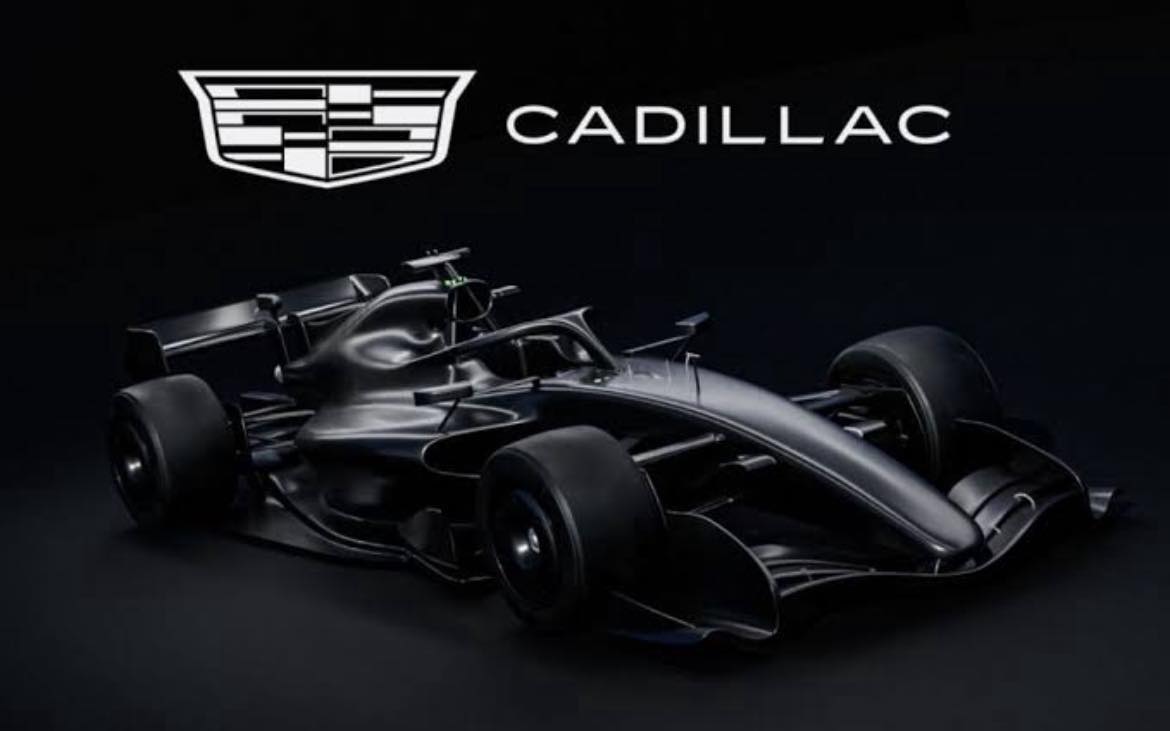
Against that backdrop, Cadillac’s Formula 1 proposal landed at exactly the right moment – and made an immediate impression.
“When I looked at the proposal, I thought wow. This is actually really impressive. Very ambitious. It’s very well funded. It’s very sensible.”
©CadillacF1
For Symonds, the appeal was not a brand-led splash or a short-term marketing exercise, but a project built around credibility and patience. Cadillac, he stressed, is planning for permanence.
“It’ll be more than an attempt. It’ll be a reality.”
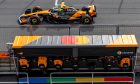
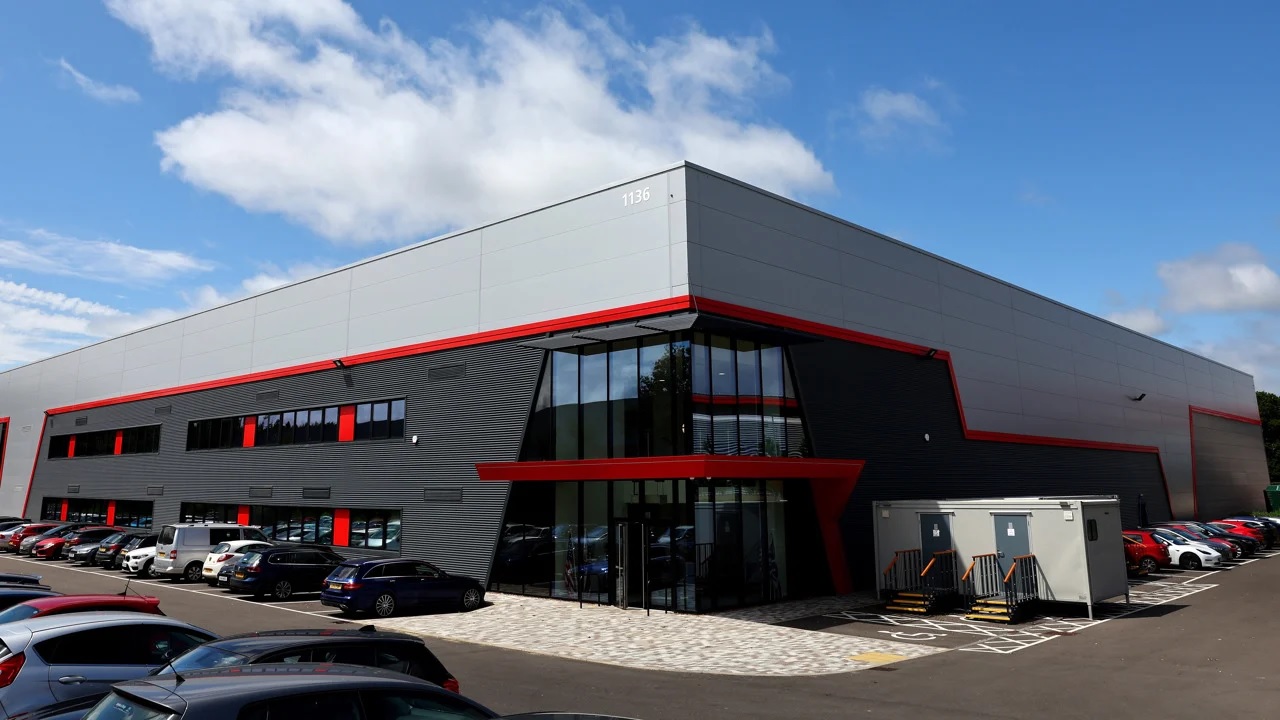
The structure reflects that thinking. The team’s operational heartbeat sits at Silverstone, anchoring chassis development and race execution within F1’s traditional ecosystem.
At the same time, power unit development beyond 2028 is already underway in North Carolina, while a major manufacturing and operational centre is planned near Indianapolis.
©CadillacCommunications
Symonds admits the scale of the US facilities only truly hits home when you see them first-hand. Crucially, he says Cadillac wants those facilities to be open and welcoming, not hidden behind fences and NDAs.
“We want to be fan centric,” he explained. “Formula 1 can be very secretive, and particularly engineers tend to think they’re keeping a big secret,” he said.
“That mortgage we’ve been talking about is paid for by fans. If there weren’t fans, we wouldn’t have races, sponsors, or big companies involved. Everything is down to fans.”
That openness, Symonds believes, mirrors Formula 1’s broader evolution away from exclusivity and toward accessibility – a shift he sees as vital to the sport’s future health.
Experience over ego in the cockpit
The same pragmatism defines Cadillac’s approach to drivers. Rather than chasing hype, the team worked methodically through its options.
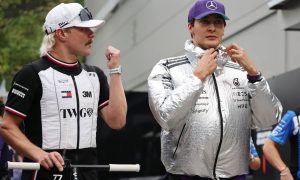
“We produced a big matrix of everyone who was available,” Symonds explained. “Gradually, Checo and Valtteri rose to the top.”
The logic was simple: proven winners who bring instant credibility.
“Winners, of course. 16 race wins between them. Not many teams on the grid have 2 drivers with 16 race wins.”
©Cadillac
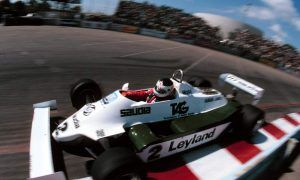
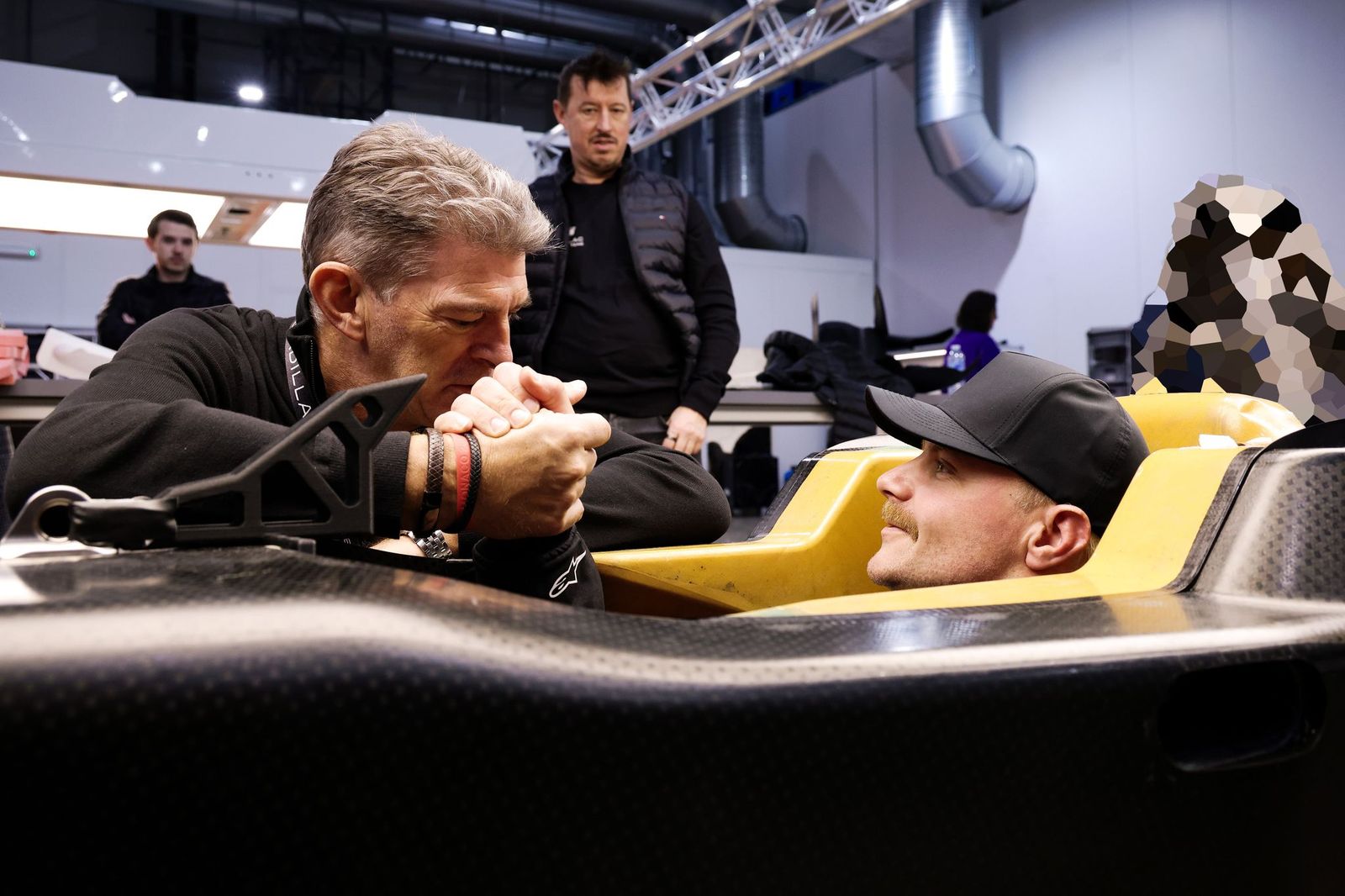
Symonds’ faith in Valtteri Bottas is grounded in personal experience from their Williams days.
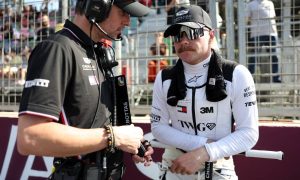
“I know him well and really like Valtteri. He’s incredibly quick over one lap and a really good qualifier.”
Sergio Perez, meanwhile, required deeper evaluation after a bruising final year at Red Bull. Perspective, Symonds said, changed once others struggled in the same machinery.
“When he was replaced, you saw that, and that helped us reevaluate Checo,” he said. “His application, his attention to detail, and his willingness to engage is really, really good.”
What Cadillac does not want, Symonds made clear, is unnecessary drama in its formative year.
“The last thing you want is drivers who throw it at the wall trying to prove they’re the next Lewis Hamilton. We don’t need that.”
A tactical future for Formula 1
Beyond Cadillac, Symonds remains deeply invested in Formula 1’s direction. He was unequivocal on the importance of the budget cap.
“Teams were going broke on a regular basis. That wasn’t sustainable,” he said.
He also defended the sport’s move to sustainable fuels — a programme he helped initiate — rejecting claims of greenwashing.
“Pretty well every molecule has to be certified as sustainable,” he added, noting that the fuel is designed to be relevant beyond racing.
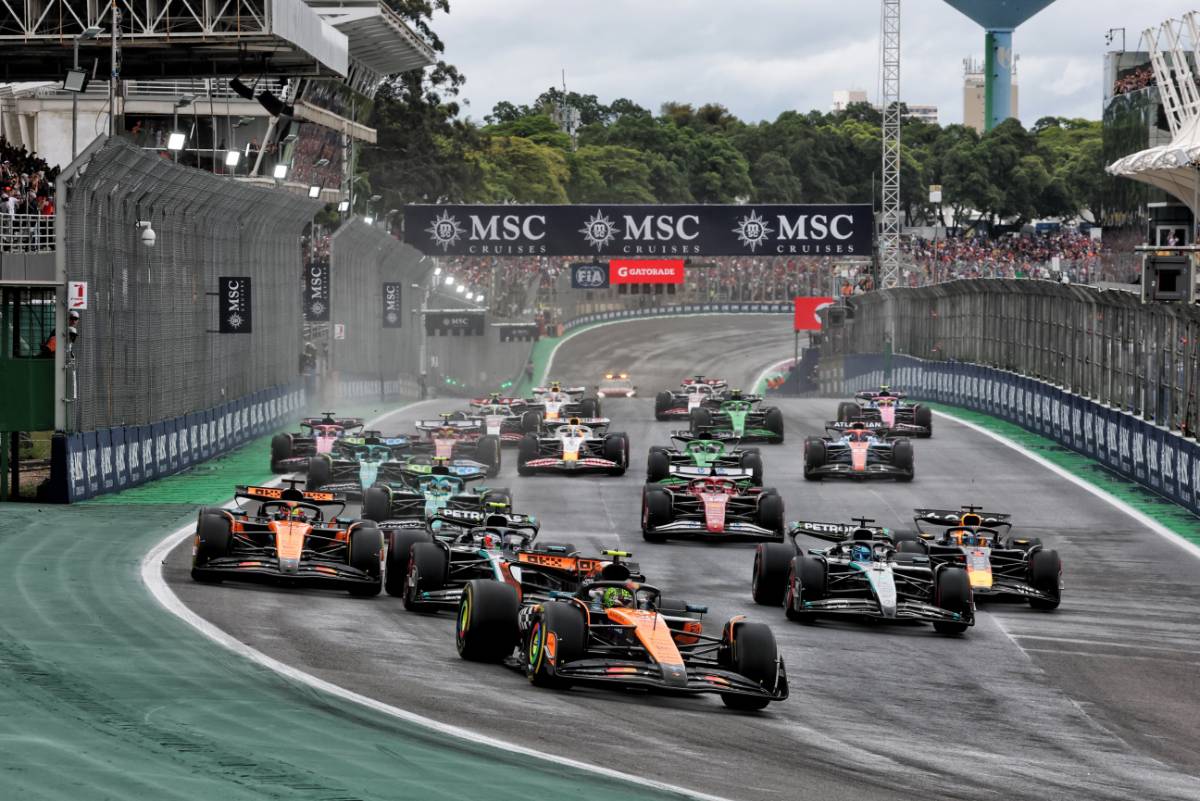
As for 2026, Symonds expects less visual drama but more strategic intrigue. With active aerodynamics replacing DRS, energy management will define overtaking.
“The overtaking aid now is the push to pass,” he explained. “The racing will become more tactical. Do I use my energy to defend. Do I use it to pass. How do I use it.”
For Cadillac, that future rewards experience, discipline and clarity. For Symonds, it offers something even more compelling: a reason to care who wins again.
Keep up to date with all the F1 news via X and Facebook