



Formula 1’s next great technical battleground may already be taking shape – and Audi is openly worried it could decide the pecking order before a wheel even turns in anger.
As the sport edges closer to the 2026 regulation reset, Audi COO Mattia Binotto has voiced concern that a potential loophole in the new engine rules could hand certain manufacturers a decisive and uncatchable edge.
At the heart of the growing controversy is engine compression ratio. While the 2026 regulations impose a clear 16:1 limit, that figure is defined under ambient conditions. The suspicion – now widely discussed in F1 – is that some manufacturers may have found ways to effectively exceed that threshold once engines reach operating temperature.
Mercedes and Red Bull are understood to be at the centre of the speculation, prompting Audi, Ferrari and Honda to formally approach the FIA seeking clarity. With homologation rules freezing engine designs, the stakes could hardly be higher.
Binotto: ‘A Significant Gap’
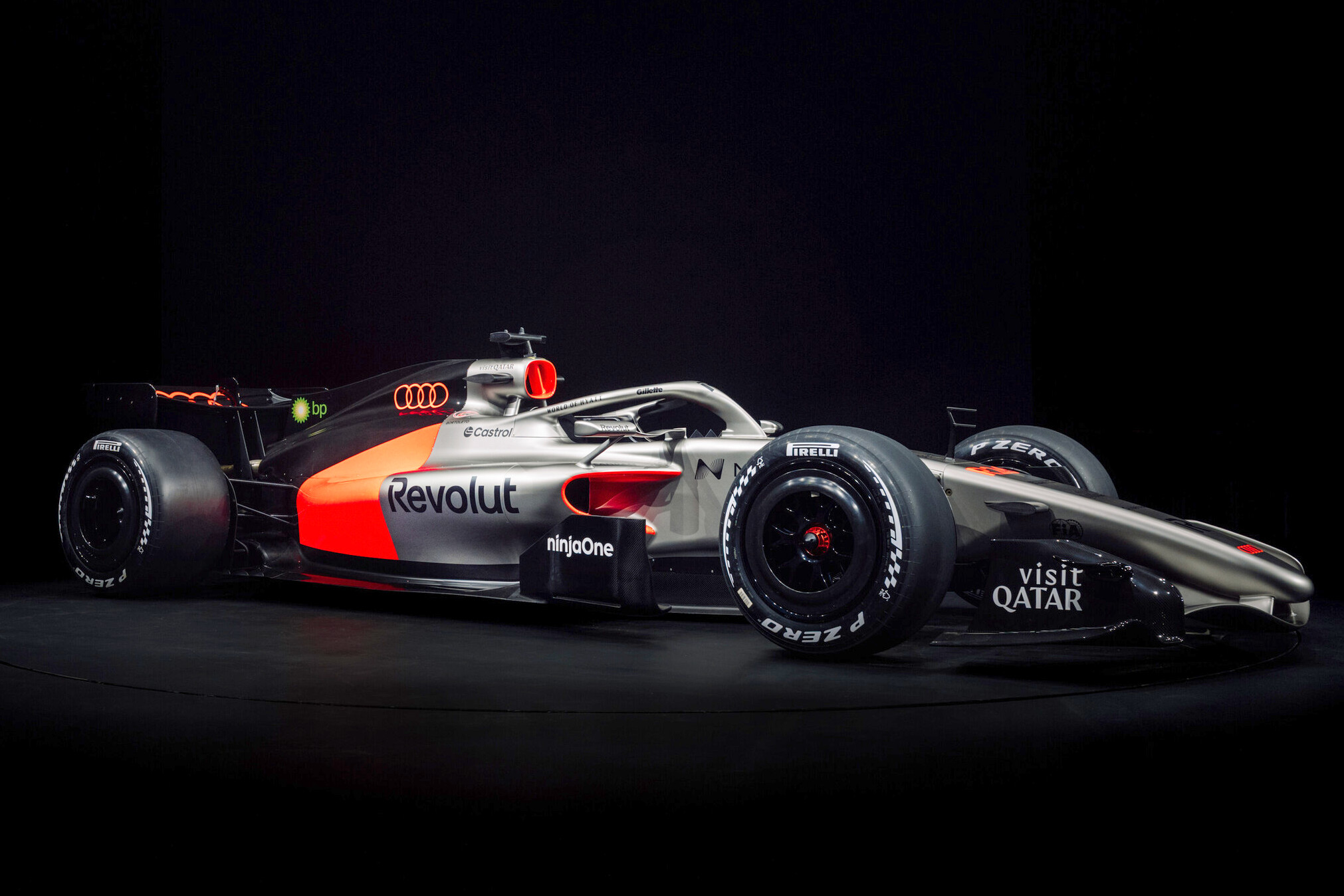
Speaking at Audi’s livery launch in Berlin on Tuesday, Binotto made it clear why the issue has become so urgent.
“If it's real, it is certainly a significant gap in terms of performance and lap time, and that would make a difference when we come to competition.”
Behind the scenes, estimates suggest the advantage could be worth as much as 10-15bhp – potentially translating into a 0.3-0.4s per-lap gain. In a tightly capped era, that kind of margin could define an entire season, especially if rivals are powerless to respond.
While the FIA has scheduled further talks with manufacturers later this week, Binotto is under no illusion that quick answers are coming.
“I don't think there will be clarity or compromise,” he explained.
“The meeting, which has been set for the 22nd of January, is more to continue to discuss how can we improve or develop a methodology for the future to measure the compression ratios in operating conditions.
“Today we are doing it [measuring] in cool conditions with the engine disassembled - so you may wait until the end of the season to know if you are compliant.
“It's simply we are trying, all together, to really develop a methodology where we can measure it in real time while the car is running.
“My hope in that meeting is not clarity on the regulation itself, but more to define a methodology for the future.”
Key Warns of Frozen Inequality
Audi technical director James Key echoed the concern, stressing that without firm FIA intervention, the rules risk locking in inequality for an entire season.
“I think if it's sort of bypassing the intent of the regulations, then it has to be in some way controlled,” said Key.
“We trust the FIA to do that, because no one wants to sit a season out if you've got a blatant advantage that you can do nothing [about] with a homologated power unit.
“I think for us, hopefully, the FIA will make the right decisions.”
©Audi
Key drew a sharp comparison with aerodynamic development, arguing that engines should not be treated differently simply because they’re harder to police.
“You've got to have a level playing field,” he added. “If someone comes up with a clever diffuser, and you said it's not the right thing to do, no one else can have it, but you can have it for the rest of the year, it doesn't make sense. We would never accept that."
Protests, But Against What?
While some have suggested a disgruntled manufacturer could lodge a protest as early as the Australian Grand Prix, Binotto poured cold water on that idea.
“You can protest if you know what you're protesting,” Binotto said.
Without absolute clarity on what designs are doing – or how they’re achieving it – any formal challenge risks falling apart before it begins.
For Audi, the fear is simple but profound: if a loophole exists and goes unchecked, the 2026 grid could be split before the season truly starts.
And in a frozen-engine era, catching up may not be an option — only waiting, watching, and hoping the rulebook catches up too.
Keep up to date with all the F1 news via X and Facebook