



Formula 1’s next generation of cars will not just look different – they will sound different too. According to Williams engineering technical director Matt Harman, fans in 2026 may hear engines revving hard even through corners, as teams search for creative ways to manage electrical energy over a single lap.
The challenge is simple in theory but complex in practice. The electric motor in the new power units will jump from 120 kW to 350 kW, almost triple the output of the current systems. Yet the battery capacity will only grow slightly.
That means drivers will not have enough stored electrical energy to run at full electric boost for an entire lap, forcing teams to think carefully about when and how they recharge.
Squeezing Energy from Every Corner
Harman explained that recovering energy will become one of the defining technical battles of the new era. Active aerodynamics will help reduce drag on straights, but that alone will not be enough to keep batteries topped up.
“Fundamentally, energy recovery on this car is going to be a challenge,” Harman explained. “We know why we have active aerodynamics on the car and therefore we need to make sure that we can maximise that recovery.
“So, one of the things you might see is drivers pulling a lot lower gears than you've ever seen before to try and maximise that type of recovery in very key stages of the lap. As it stands right now, a driver would very rarely pull first gear. You may see that.
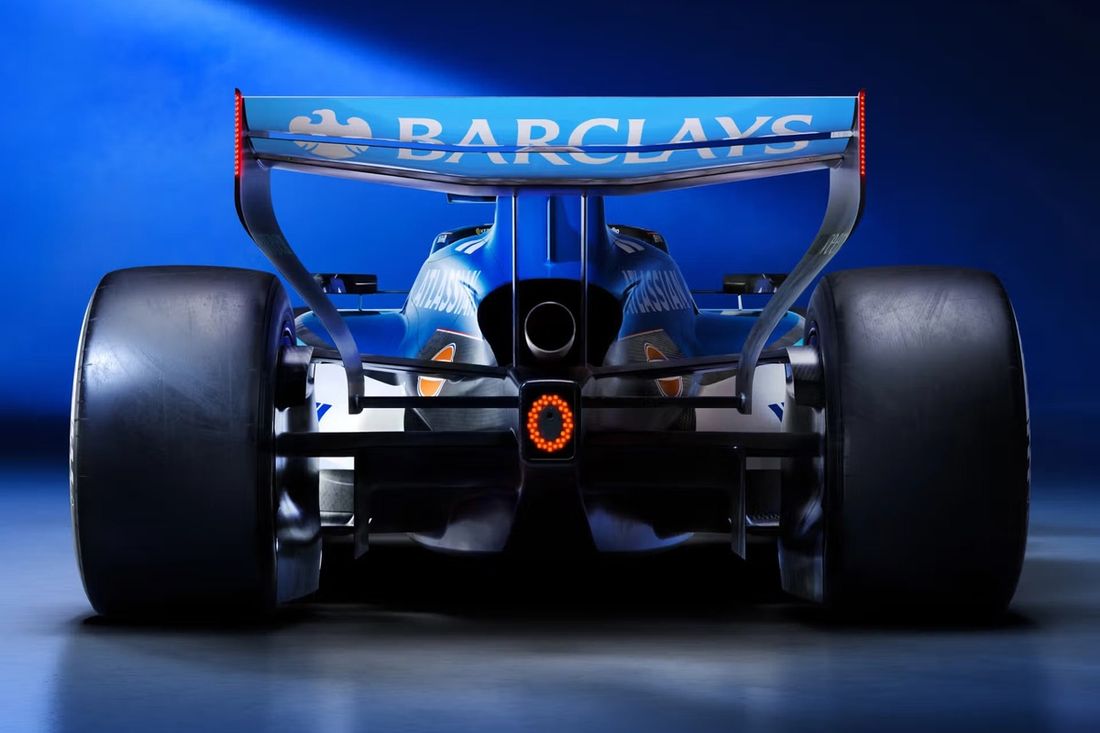
“Now, that gives us challenges further on in the car, because that is a stability problem. So then you're into how you control the power unit, how you control some of the stability in the rear of your car, the systems that you have in there to do that.
“There's lots of things that we have to look at and that's one very specific characteristic of this particular car – and also will require the driver to adapt their style to that, because they won't naturally want to do that, I don't think.”
In short, drivers may deliberately drop into unusually low gears mid-lap, not for speed, but to harvest energy. The trade-off is balance — lower gears can unsettle the car, meaning engineers must carefully manage stability systems and power delivery.
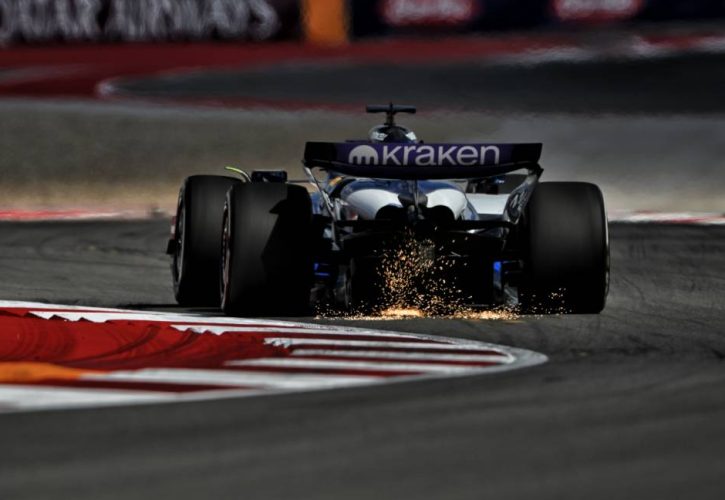
Harman also confirmed that teams are exploring ways to “promote maximum energy recovery during the lap in every way” possible, even hinting that engines could be run at maximum revs through certain corners purely to generate extra electrical power.
Like a Hybrid Road Car - Only Louder
Williams’ head of trackside engineering, Angelos Tsiaparas, compared the process to something more familiar: a hybrid road vehicle. The difference is that in Formula 1, the scale – and the speed – are far greater.
“Imagine a hybrid road car,” he explained. “Let’s say you have a car with equal thermal and electrical power on it. So, you don't have to press the brake pedal to harvest electrical energy through your electric motor.
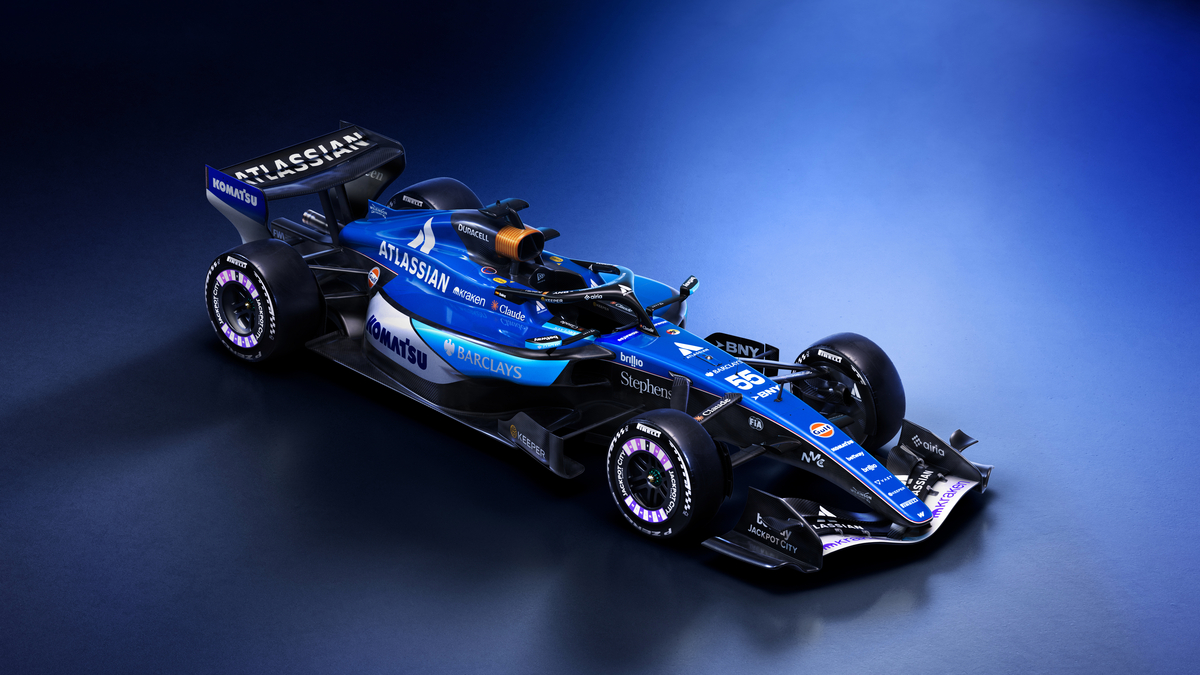
©Williams
“At any point you decide, you can turn the electric motor in negative torque or negative power, let's say, in harvesting mode and effectively burn fuel to create some electricity. This is happening even in the current regulations. It's not something really new.
“It's just that because the electrical element in ‘26 is so much bigger, almost three times more powerful than the previous era of power units, such strategies will become way more potent.”
The concept is not brand-new, but its importance will increase dramatically as electric power takes on a much larger role in overall performance.
Integration Will Decide the Order
Beyond single-lap tactics, Harman believes the true competitive edge in 2026 will come from how well teams blend their new engines with their redesigned chassis. Energy management will not exist in isolation; it will be part of a larger optimisation puzzle.
“I think your key performance driver will depend on where the subsystems performance are in their own right. I mean, you know, if you've got a very advanced power unit and chassis integration, you could be at one end of that optimisation.
“If you've got one that's struggling in some areas, then you may have to change very much the way you run your car.
“It'll be very specific. And, you know, we're finding these things out on a daily basis, which is interesting. It's actually quite exciting.”
For fans, it could mean a season where engine notes rise unexpectedly in corners and gear selections look unusual on steering-wheel displays.
For teams, it will be a constant balancing act — deciding when to spend energy, when to save it, and how to make every lap count.
Keep up to date with all the F1 news via X and Facebook