



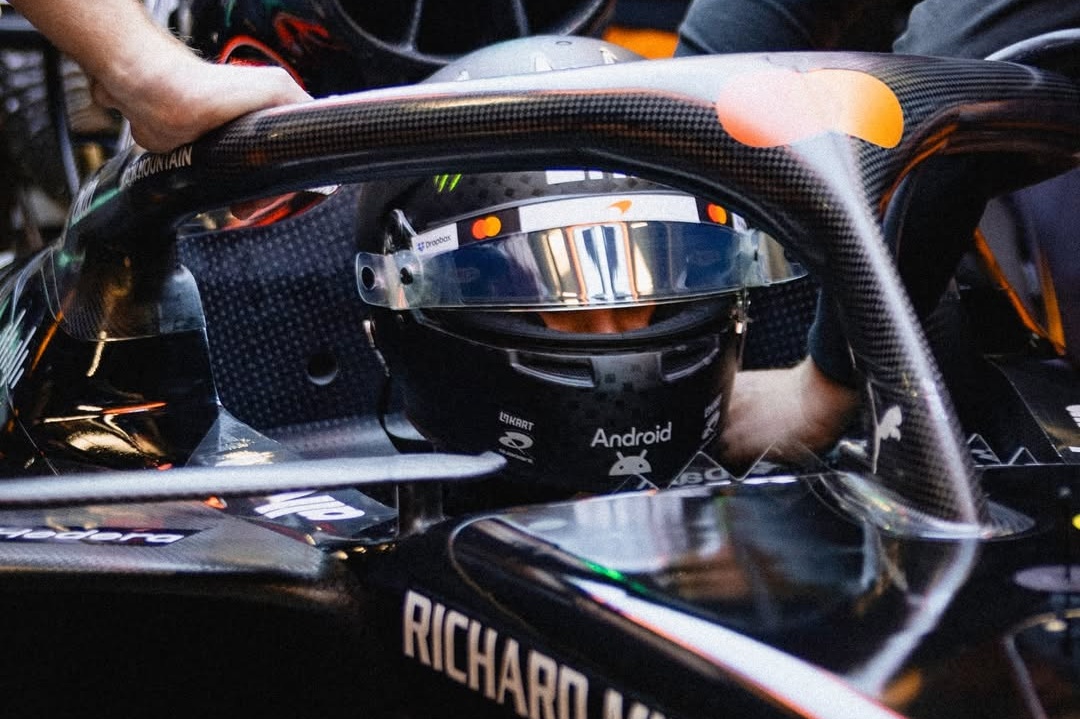
Lando Norris has thrown a dash of intrigue over Formula 1’s much-hyped 2026 revolution by admitting that McLaren’s new-era MCL40 reminds him, at least in certain moments, of a Formula 2 car.
Coming from the reigning world champion, it’s the kind of comparison that instantly fuels debate: is F1 evolving… or accidentally echoing its junior ranks?
The sport’s upcoming regulation shift is one of the most dramatic in decades. The bulky ground-effect monsters are being retired in favor of slightly smaller, lighter cars loaded with active aerodynamics and a radical 50/50 split between electrical and combustion power.
On paper, it’s a bold technological leap. On track, according to Norris, it’s a more complicated sensation.
‘I don’t know if I like that or not’
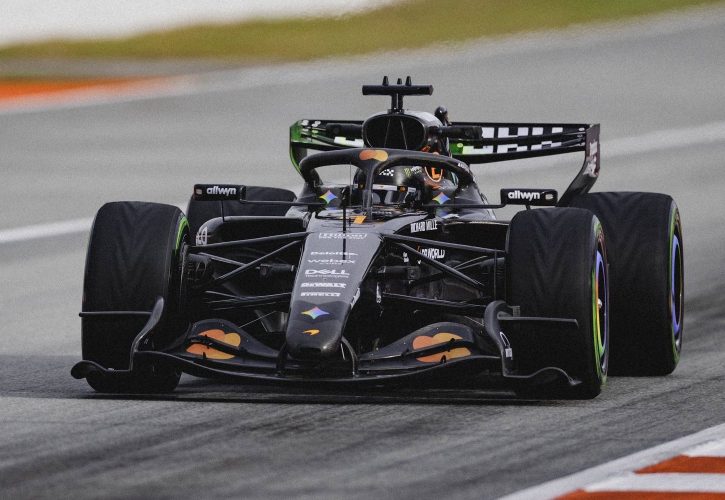
McLaren joined nearly the entire grid – Williams being the lone exception – in running its 2026 challenger during last week’s Barcelona shakedown.
The event marked the first real opportunity for drivers to feel how the new rulebook translates into steering input, braking points, and raw instinct. Norris’ verdict was honest, slightly puzzled, and impossible to ignore.
“It certainly feels like an F2 car in some ways with how you have to drive it,” the Briton told reporters recently.

©McLaren
The comment landed like a pebble tossed into a still lake, sending ripples across the paddock. F2 cars are nimble and aggressive, but they are also unmistakably a step below Formula 1’s traditional brutality and precision. Norris, however, stopped short of declaring the sensation good or bad.
“I don’t know if I like that or not for the time being.”
His uncertainty reflects the transitional nature of the moment. Barcelona’s sweeping layout – wide, open corners and flowing sequences – only offered a partial glimpse of what the new generation can truly do.
Read also:
“But I think we understood quite a few things already from Barcelona on how you had to drive the car, but Barcelona, you’re talking about fourth-gear corners, third-gear corners, quite open, quite wide,” he added.
The real stress test, Norris suggests, will arrive when the cars are forced into tight city circuits and bumpy, unforgiving asphalt where every twitch of the steering wheel exposes design strengths and weaknesses alike.
“And when you get to a street track or bumpier tracks, slower tracks, that’s a question we’re yet to answer,” he said.
A Learning Curve for Everyone
Beyond driving feel, the broader anxiety hovering over the 2026 regulations is identity. With increased electrical reliance and whispers of drivers potentially lifting and coasting even in qualifying to manage energy, some fear Formula 1 could drift away from its flat-out ethos.
Norris isn’t sounding alarms, but he is acknowledging that the answers are still hidden in the upcoming races.
“And Bahrain will answer some of those questions. It will be a learning curve,” he ensured.
What tempers his cautious tone is confidence – not blind optimism, but the steady assurance of a champion who knows both his own capability and the strength of his team.
“But I have strong confidence in myself and strong confidence in my team. But it will be a learning curve for both of us as it will for everyone on the grid.”
For now, the uncertainty is universal, and in Formula 1, shared confusion can be as powerful as shared innovation.
While Norris’ remarks add spice to the early narrative, McLaren team-mate Oscar Piastri has been more reassuring, insisting the essence of Formula 1 remains intact and that the cars will still be ferociously quick and visually spectacular.
Yet Norris’ F2 comparison lingers in the air – not as a condemnation, but as a reminder that the sport’s future, for all its futuristic engineering, might feel strangely familiar when the lights go out.
Keep up to date with all the F1 news via X and Facebook