

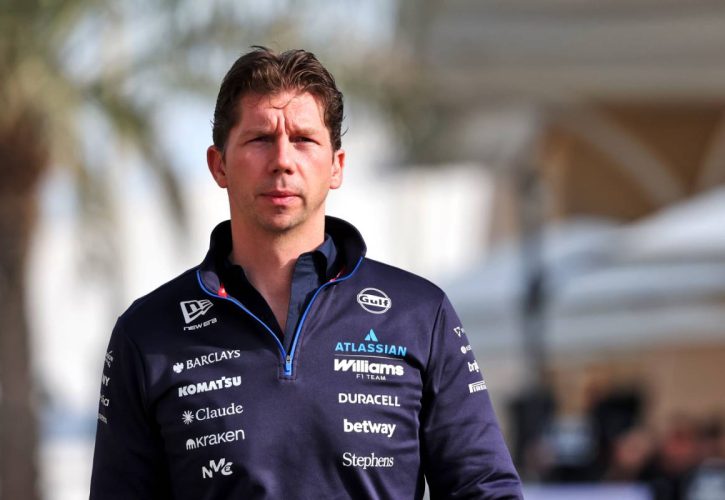


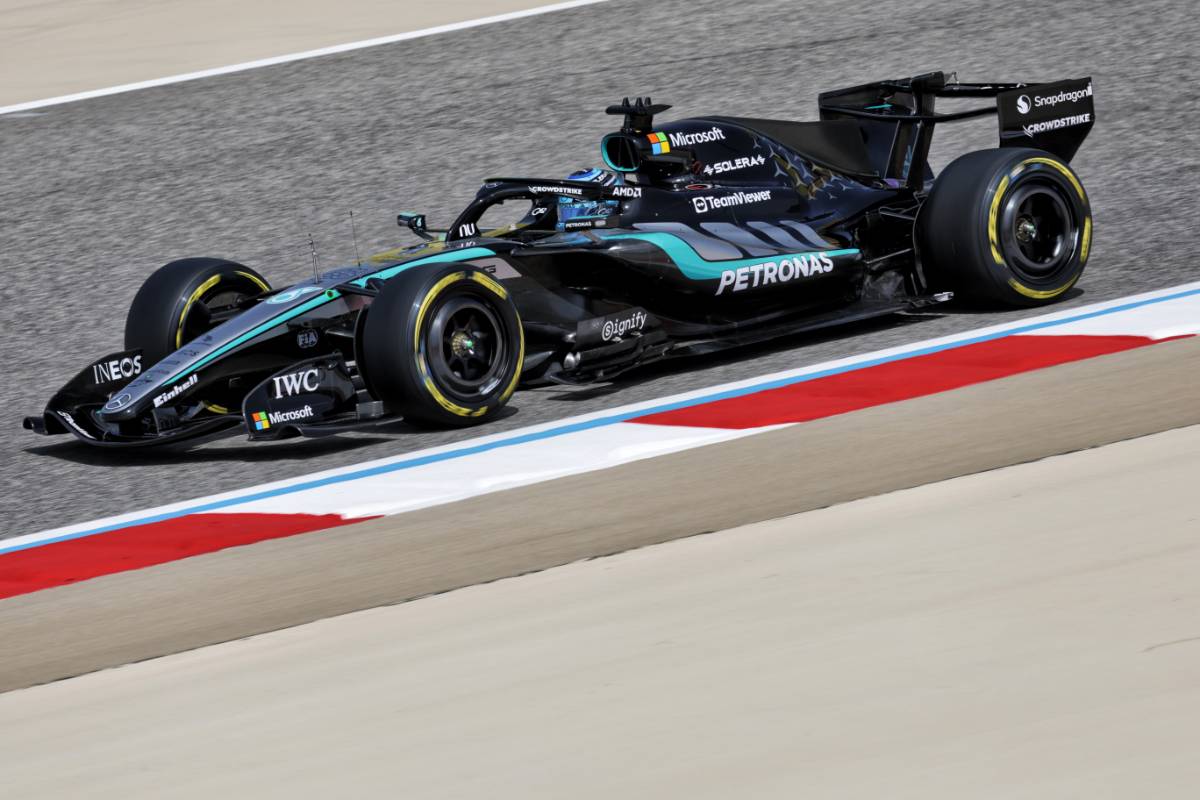
Williams team principal James Vowles has emerged as Mercedes’ most vocal defender as controversy swirls around the German manufacturer’s latest power unit and its rumored ability to stretch the sport’s strict compression ratio limit once running at full tilt.
The desert air is thick with more than just sand this week in bahrain; it’s heavy with the scent of a technical scalp. As winter testing resumes in Sakhir, the paddock has fixated on a singular, spicy technical dispute: the Mercedes "super-engine" and the dark magic of its compression ratios.
While rival manufacturers Audi, Ferrari, and Honda have already fired off a joint letter to the FIA demanding a crackdown, one man is standing firm in the line of fire. Williams team principal James Vowles isn't just defending his engine supplier; he’s daring the rest of the grid to catch up.
The Engineering Meritocracy
The controversy centers on the 16:1 compression ratio limit. Rivals allege that while the Mercedes power unit plays by the rules during static tests, it morphs into a different beast on track, allegedly hitting higher ratios under load.
It’s a classic case of finding the "grey area," and Vowles is unapologetic about the brilliance of the loophole.
“My harsh line on it is the PU that we have in the car is completely compliant with the regulations,” Vowles told reporters. “It is not a month of work but several years of work to produce the PU to that level.
“We, as a sport, have to take care that this is not a BOP series. This is a meritocracy where the best engineering outcome effectively gets rewarded as a result, not punished as a result.”
For Vowles, the outcry from the opposition is nothing more than the sound of teams who missed the boat.
“I'm sure other teams are pissed off,” he added. “They weren't able to achieve what Mercedes did, but we also need to take care.
“Right now, I don't think there's a person in the pitlane that can tell you what is the best PU, and we only focus on one detail of it.”
The Williams boss views the attempt to nerf the engine as a threat to the very soul of the sport.
“My hope is that sense prevails and that we, as a sport, recognise that we are here to be a meritocracy, and that the best engineering solution wins as a result of I,” Vowles argued.
“Therefore we are where we are right now, but I maintain that our PU is completely compliant with all regulations.”
Boundary-Pushing and the FIA’s Dilemma
Vowles’ loyalty to the Silver Arrows’ engineering prowess isn't accidental. Having spent over two decades at Brackley, he knew exactly what he was buying into when he secured the Mercedes power unit for Williams.
“I've been with Mercedes for 23 years, pretty much from the start of my career that's what I've always been a part of,” he said.
“The day I joined [this team], I re-signed the Mercedes arrangement here at Williams for pretty much that reason – which is that they are incredibly good at regulation changes, reading the rules exactly as the rules are, and making sure you push the boundaries of engineering.
“That is exactly what the PU represents right now for Mercedes.”
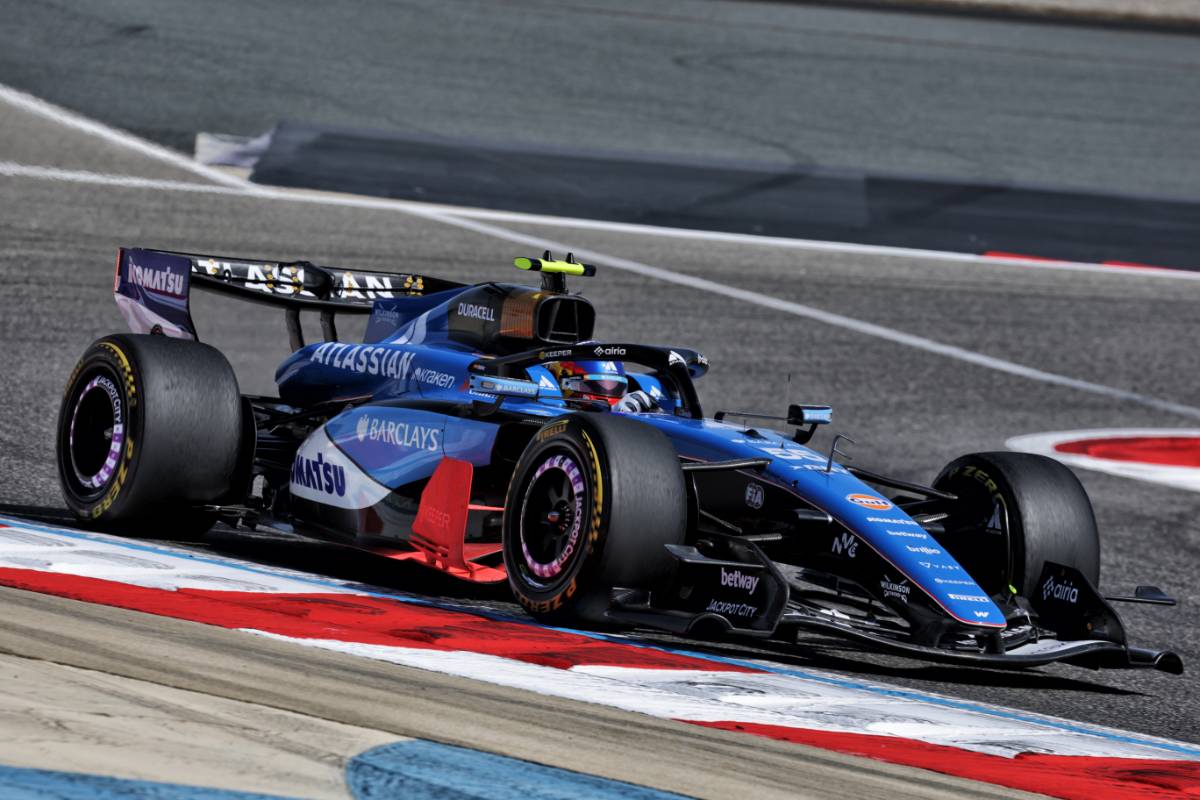
The logistics of "fixing" the perceived problem are equally messy. If the FIA changes the measurement procedures mid-stream, they risk a total grid collapse. Vowles warned that the technicalities of testing a running engine are a nightmare.
“First of all, they have to come up with a regulation, and good luck with them, where you're testing power units in the conditions you're trying to run on track,” he explained.
“Anyone that knows anything about compression ratios, even if you've done your own cars, you kind of want to do it when it's ambient,” he noted.
Changing the Rules?
He then issued a stark warning about the consequences of a retrospective rule change.
“I'm sure they can determine a way of testing it, but the next element is that there are now two more steps. One: are we compliant even with any future regulation changes? No one knows that one particularly.
“And the second element of things is what do you do when you have effectively changed the rules? That now means that if we are not legal to it, that there are eight cars not participating on the grid. And that's what I meant by we, as a sport, have to really think about what the implication of this change is.”
©Alpine
Despite the tension, Vowles offered a rare olive branch to the governing body, acknowledging the impossible task of policing 10,000 brilliant minds.
“To defend the FIA, the FIA has a hard job. You have teams filled with a thousand individuals thinking about how we can interpret the rules in a clever way,” he said.
“Let’s be blunt about it, that's what teams do, and that's why we love the sport. It is difficult [for the FIA]. There's 20-odd people trying to fight against 10,000 out there on the grid. It's probably not that amount, but you get the idea behind it,” Vowles admitted.
Read also:
Ultimately, Vowles believes the FIA must see through the smoke screen of competitive jealousy.
“The FIA do a really good job, generally speaking, of finding the boundary between clever interpretation and allowing it to go forward,” the Briton concluded.
“What I'm stating here is that we need to take care that it's not just politically driven by other teams that didn't think of clever innovations now, and the FIA's job is to take a correct line of action on all of this.”
Keep up to date with all the F1 news via X and Facebook