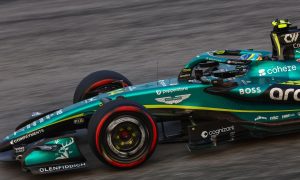


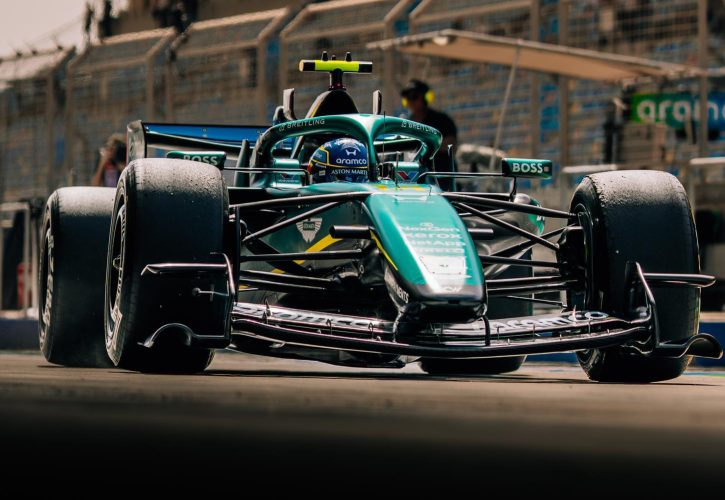


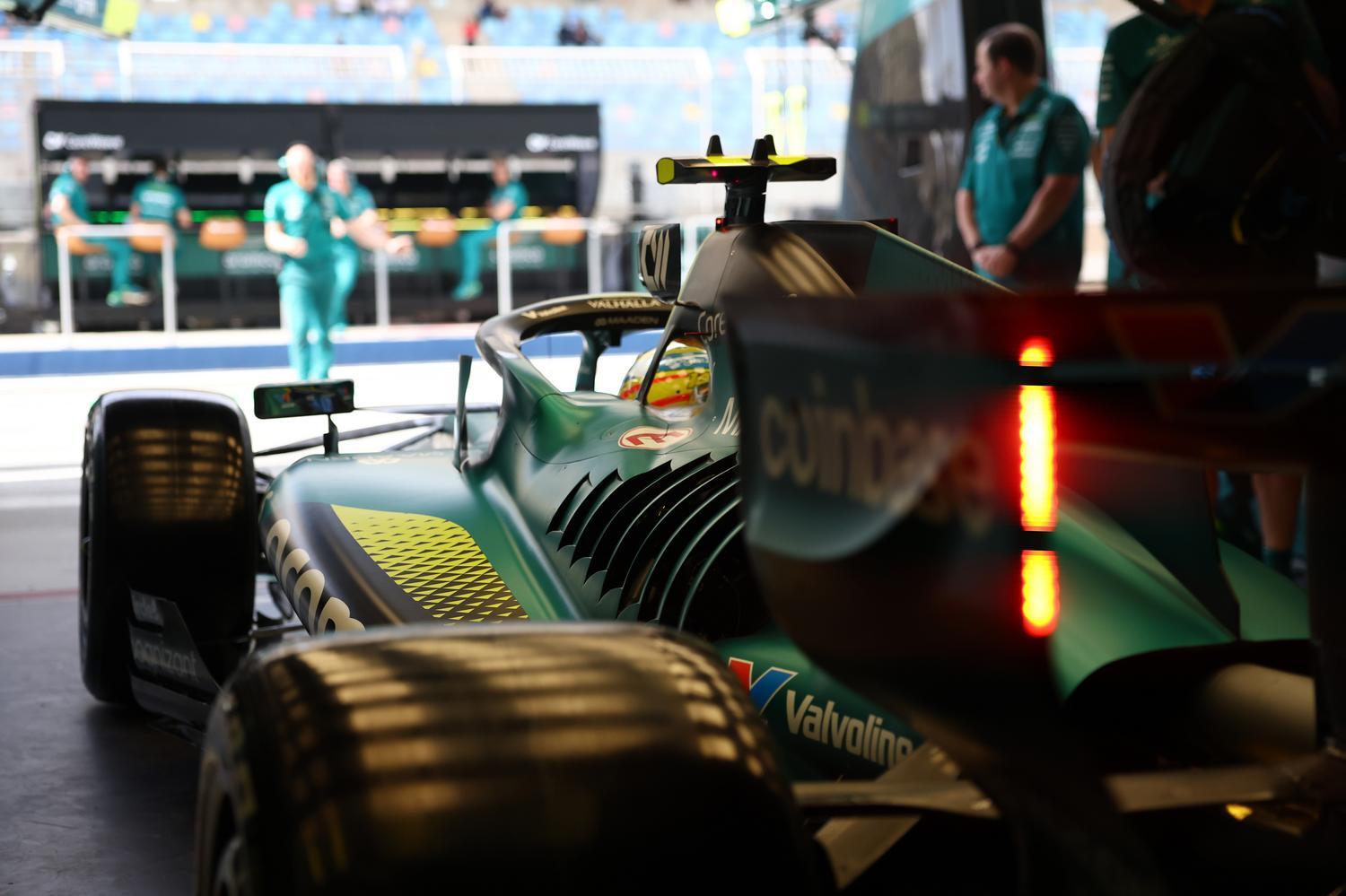
Aston Martin may have finally bathed their AMR26 in its signature racing green for Bahrain, but the vibrant paint failed to mask the ominous shadows looming over the team’s 2026 aspirations.
Despite the billions invested by Lawrence Stroll to transform Team Silverstone into a championship-caliber powerhouse, the first week of pre-season testing felt less like a launchpad and more like a slow-motion collapse.
With Adrian Newey’s complex design and a fresh Honda partnership intended to herald a new era of success, the reality on the timing screens was haunting: a car that looked fundamentally broken and, by one of its own driver’s admission, potentially four seconds off the pace.
The Mirage of Performance
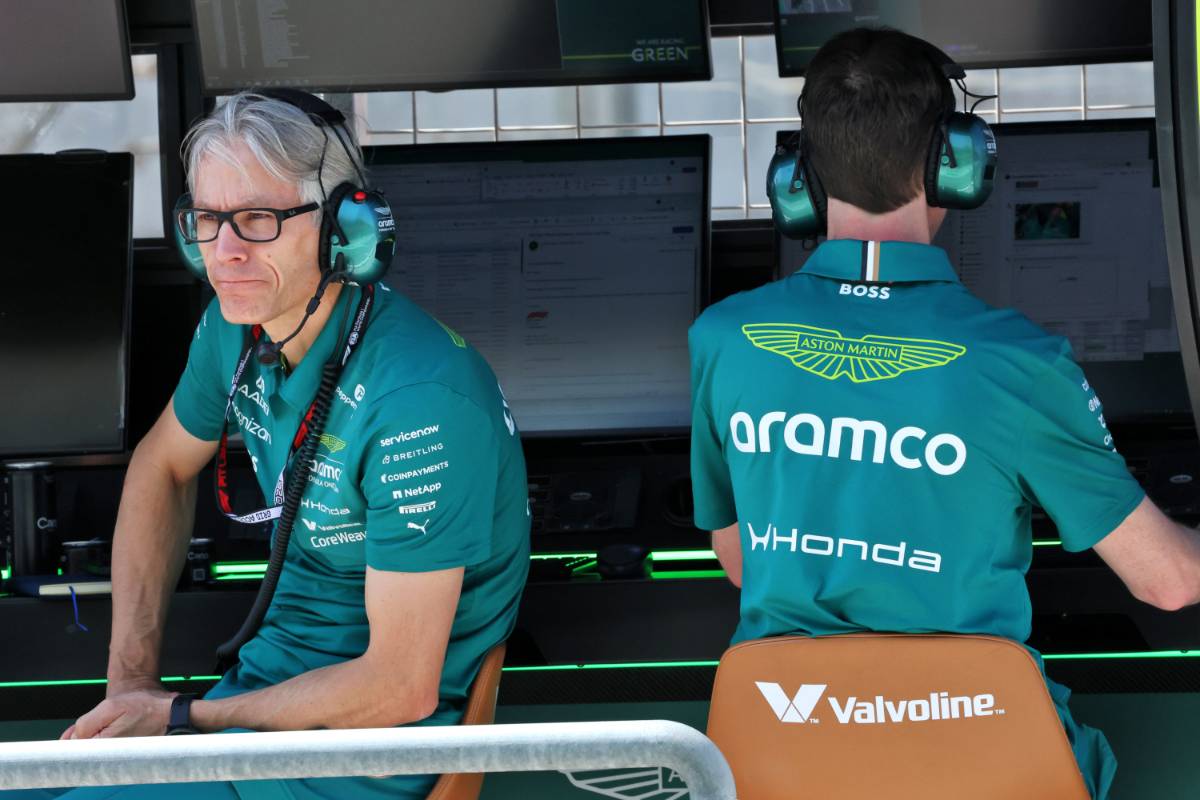
As the sun set over the Sakhir circuit on Friday, Aston Martin's chief trackside officer Mike Krack was left to defend a program that appears to be listing heavily.
While the paddock whispered about the car’s erratic behavior and mechanical frailty, Krack attempted to project a calm that felt increasingly detached from the visible crisis.
"I think the main thing that we learned this week is that we have a lot of work to do," Krack conceded, acknowledging a deficit that seems impossible to bridge before the season opener.
"We have a new car, a new package, a new partner or new partners and we need to integrate everything. So there is a lot of work that is ahead of us and we had to learn this week that we are not at the level as others are maybe."
Even as the data pointed toward a disaster, Krack clung to the desperate rhetoric of untapped capability.
"But I think the package has potential and we need to work hard to unleash it," he insisted.
Yet, for a team that has moved into a "smart" factory and recruited the sport's greatest designer, the word "potential" sounds less like a promise and more like a warning of a long, dark season ahead.
A Race Against Time
The clock is now the team’s most formidable enemy. Having arrived in Bahrain already reeling from a truncated shakedown, the "small little issues" Krack referenced have begun to snowball into a full-scale developmental bottleneck.
The massive ambition of the Aston Martin F1 project empire is currently being suffocated by the sheer complexity of a car that seems to resist its own drivers at every turn.
"The most important is first to get going," Krack continued. "Before we completely developed the car, it was important that we hit the track in Barcelona. Even if it was a bit on the early side, we had a lot of small little issues that you have to debug and it takes time.
“So I think once we have that, once we get going properly, we can analyse the car, analyse the weaknesses, analyse improvement potentials and then I'm quite sure that we can make big steps going forward."
©Aston Martin
When asked if this level of struggle was factored into their high-stakes projections, Krack’s response offered little comfort to those expecting a return on Stroll’s massive investment.
"It is always difficult to say,” he admitted. “The hope is something that in Formula 1 you cannot really base on. You have to stay with the facts. We came here and we had a first taste and we need to realise that we have some more work to do."
The "facts" currently paint a bleak picture of a team out of sync and out of time.
"Barcelona was really a shakedown and we realised, as I said, that we need to do more work and you have to prioritise them now and say what are the things that we need to do first. Solve first for next week," he noted.
Krack finished with a somber acknowledgment of the pressure mounting within the emerald-green garage.
"There's not much time,” he said. “We have to acknowledge that. But then, yeah, I think we will set the proper priority list and start to work them over and we will be in a better place next week."
In isolation, Krack’s comments read like pragmatic leadership. In context, they echo something closer to a team already defending a disappointing start before the first competitive lap has even been turned.
Keep up to date with all the F1 news via X and Facebook