



Fernando Alonso has insisted that Aston Martin’s troubled new-generation AMR26 can be fixed, but warned that the time required to solve its early problems will seriously dent the team’s championship ambitions in 2026.
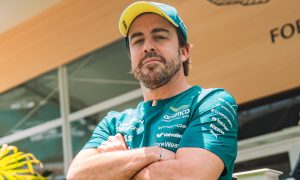
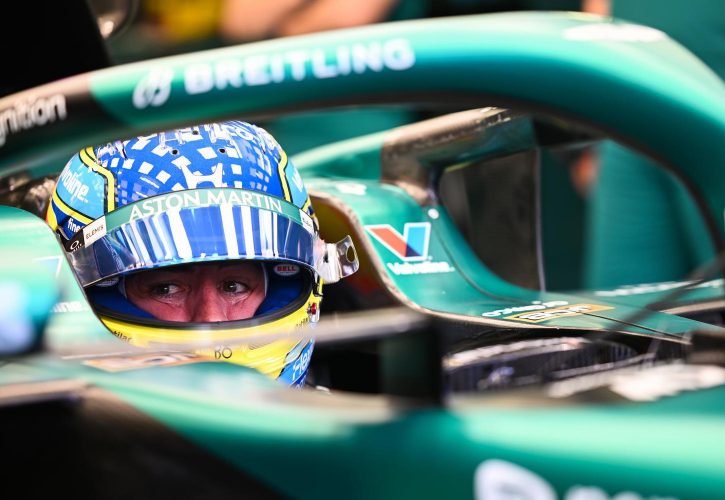
On Wednesday in Bahrain, following the reprise of pre-season testing, Alonso stood before reporters with the calm of a veteran who has seen both dynasties and droughts.
And his message was clear: the problems biting Aston Martin’s ambitious new-generation machine are solvable – just not overnight.
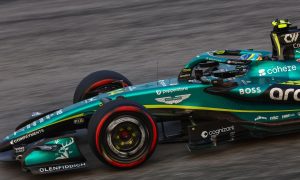
The Silverstone-based 2026 project is bold. A fresh power unit alliance with Honda. Technical direction under design legend Adrian Newey. An in-house gearbox and rear suspension programme.
It is the blueprint of a title contender – at least on paper. But on track, reality has been harsher.
Everything Can Be Fixed – But Not Instantly
Alonso did not dodge the truth when asked about the AMR26’s teething troubles.
"I think everything can be fixed for sure, short and medium-term," the Spaniard said. "I don't think there is anything that is impossible to fix. But yeah, we need to wait and see."
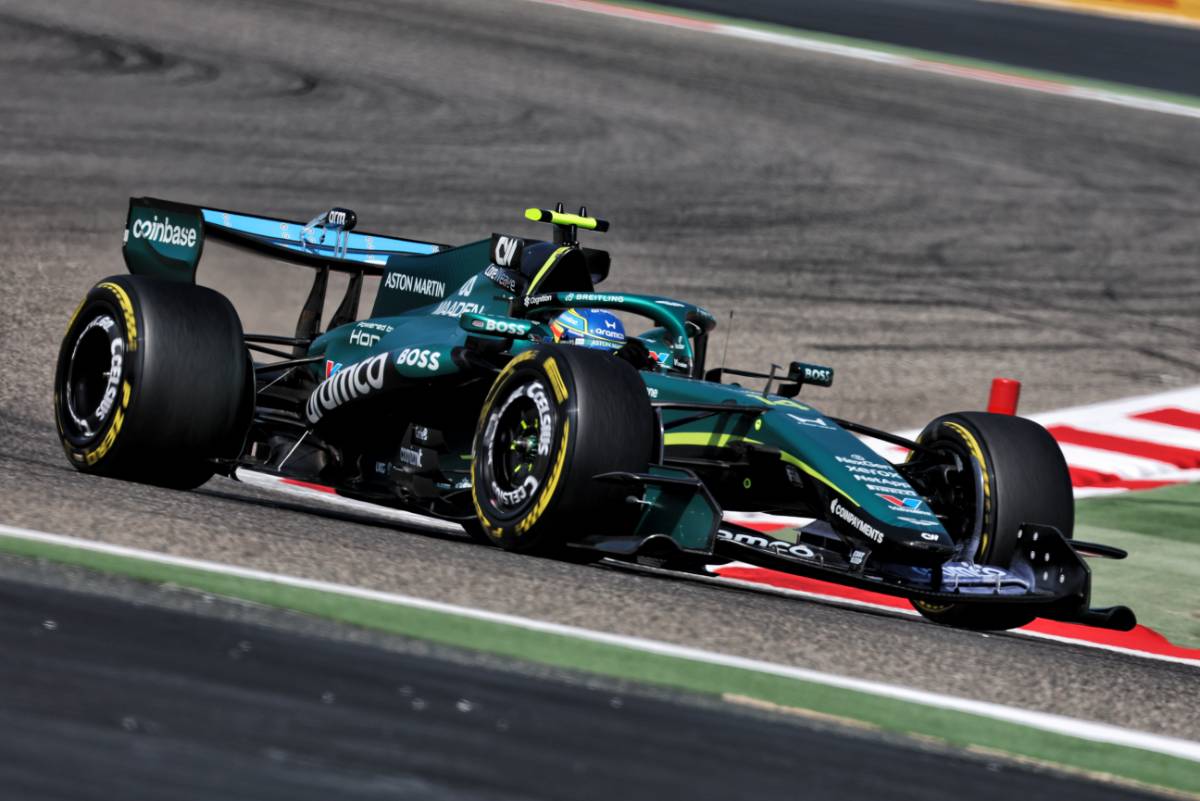
That optimism, however, comes tempered with urgency. Pre-season mileage has been patchy, and valuable laps – the lifeblood of development – have slipped away.
Team-mate Lance Stroll’s claim that the car was multiple seconds off the pace only sharpened the tension in the paddock.
Alonso knows championships are lost not in dramatic crashes, but in the quiet weeks when rivals pull clear while a team is still solving puzzles.
"We will try to fix everything that we can before Australia, and after that try to fix as many things as possible in the first couple of races before it's too late in the championship.
“But no, I'm optimistic. Everything is... I think there is a solution in place."
The emphasis was subtle but significant: before it’s too late.
Growing Pains in a New Era
Behind the scenes, Aston Martin’s reinvention is as complex as it is ambitious. The team has swapped suppliers, restructured technical operations, and taken greater ownership of core components. That independence brings control – but also risk.
Chief trackside officer Mike Krack admitted the early signs have not been ideal.
"Yeah I think that is a good judgment,” Krack said. “The guys before said already you need reliability, the wheels need to turn, we didn't manage so far to keep the wheels turning as much as we wanted and then you learn every lap and every lap you don't do, you miss and you have to play catch-up, so not a fantastic start.”
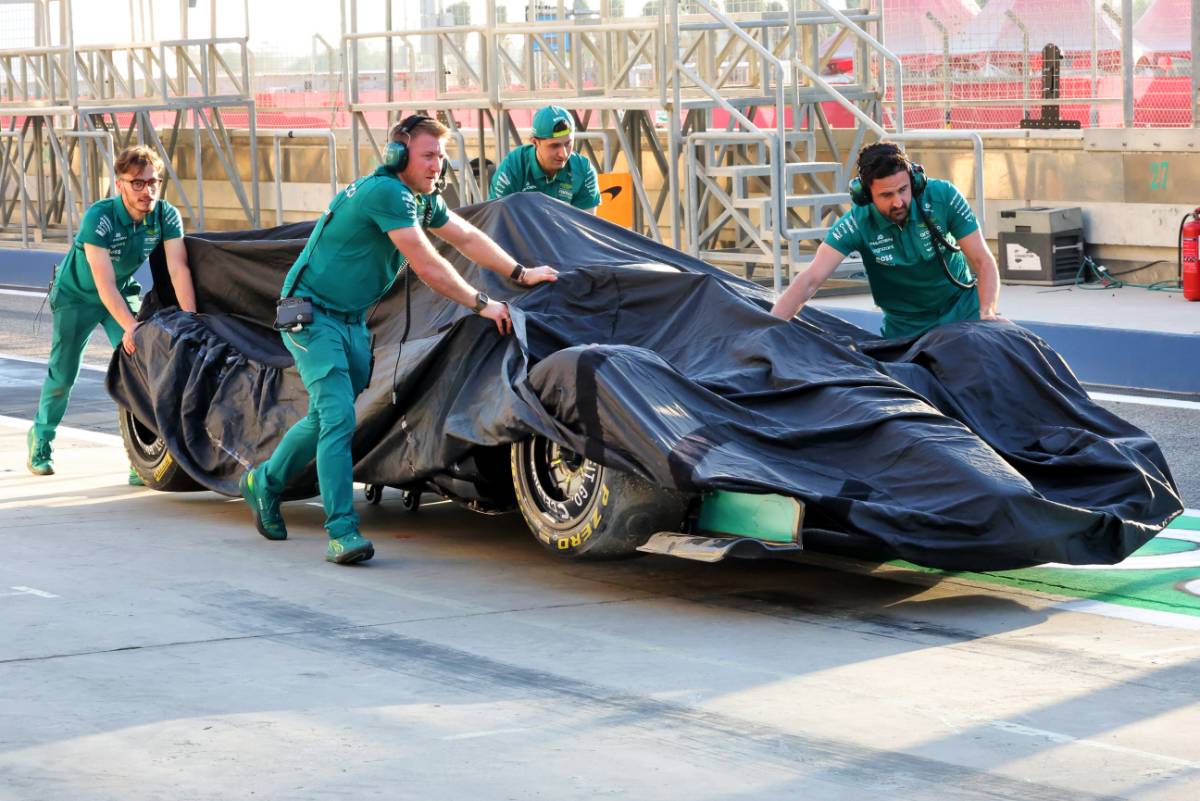
Krack’s candor painted the picture plainly: laps equal learning. No laps equal lost ground.
"I think we acknowledge that we have work to do, we understand that we are not at the level that others might be but everything is new as you mentioned, a lot of partnerships, we do the gearbox, we do rear suspension, that is a big exercise,” he admitted.
"I hope it is like you said, beginner problems, starting problems. I think even if the start is difficult, it doesn't mean that it is less work to do or that we can relax or anything, we have to focus, look at our problems and solve them step by step."
Keep up to date with all the F1 news via X and Facebook