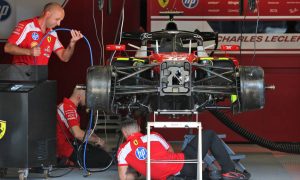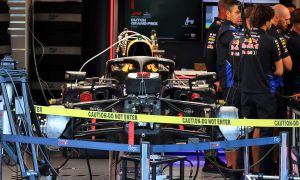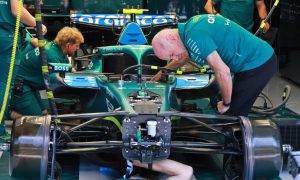




Despite the challenges of a Sprint weekend, eight teams have brought upgrades to Spa, ranging from Red Bull’s refined aerodynamic tweaks to Williams’ comprehensive floor overhaul.
Ferrari’s rear suspension redesign and McLaren’s low-downforce wing highlight the varied approaches to tackling Spa’s high-speed demands.
Meanwhile, Haas and Sauber’s decision to hold off on upgrades reflects the cautious strategy some teams adopt in this format.
Here’s our comprehensive team-by-team breakdown of all the changes that will be put to the test at this weekend’s Belgian Grand Prix.
Red Bull
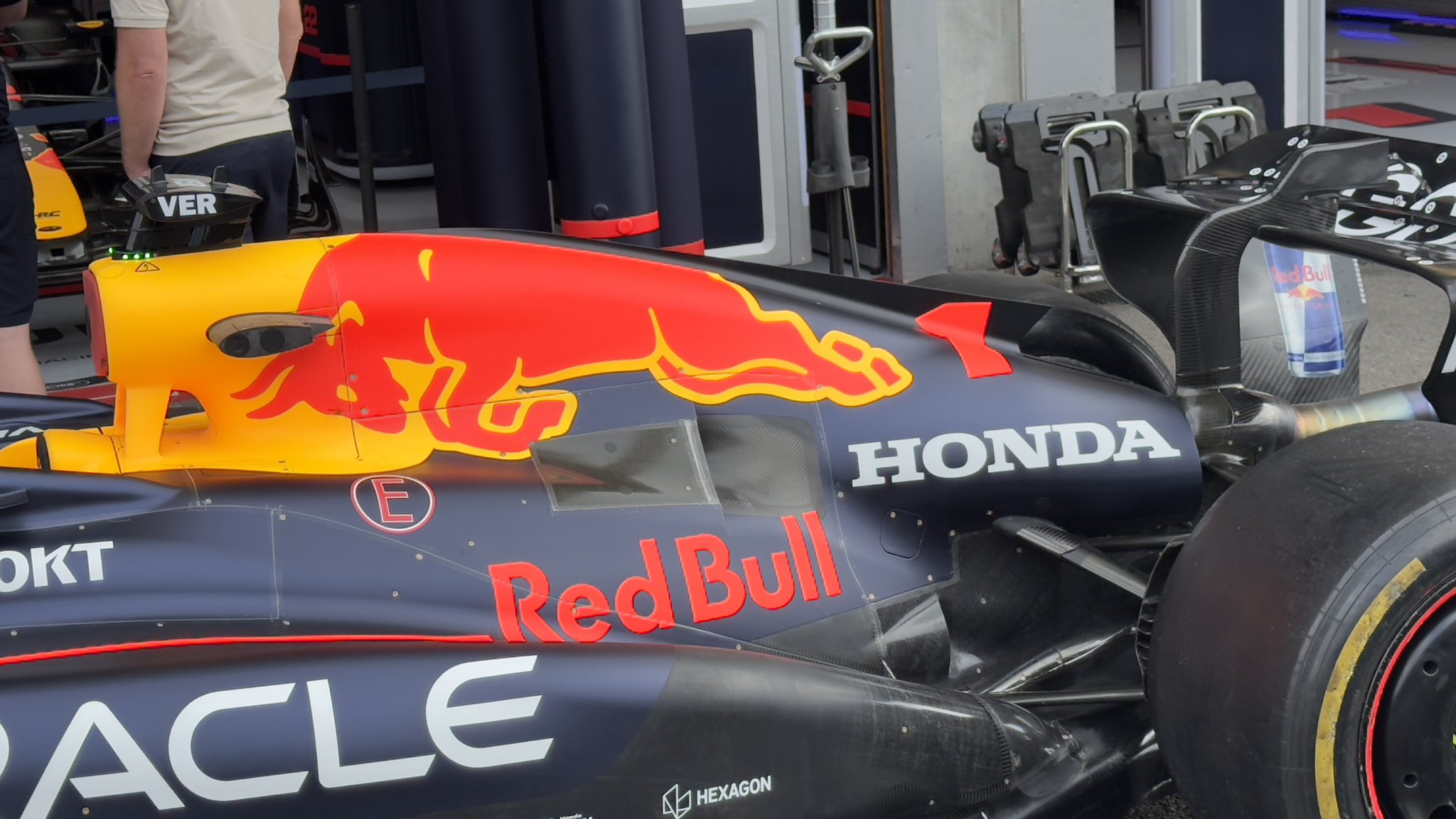
Red Bull continues its aggressive development push with a series of subtle but impactful updates. The team has refined its Barcelona-spec front wing, tweaking the first and second elements to increase overall downforce without compromising balance.
To enhance rear-end performance, Red Bull has optimized the rear wheel bodywork winglets to add load while maintaining aerodynamic stability.
©Credit: X/Albert Fabrega
Cooling has also been addressed with adjustments to the sidepod inlets, engine cover, and front suspension fairings, ensuring the car remains efficient in Spa’s high-speed sections while managing thermal demands.
Ferrari
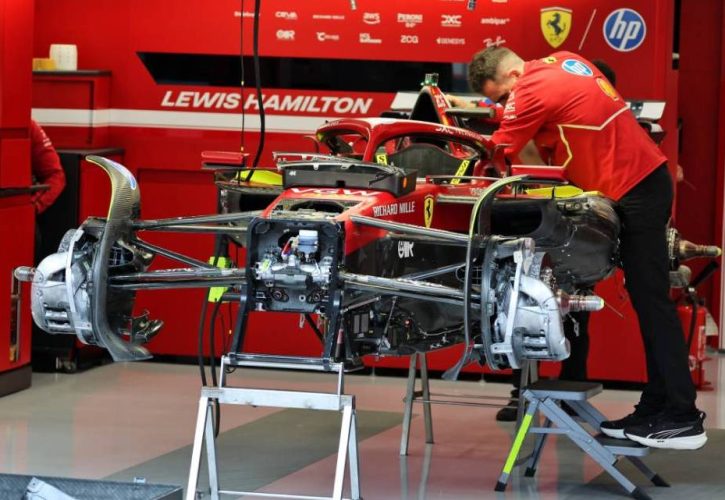
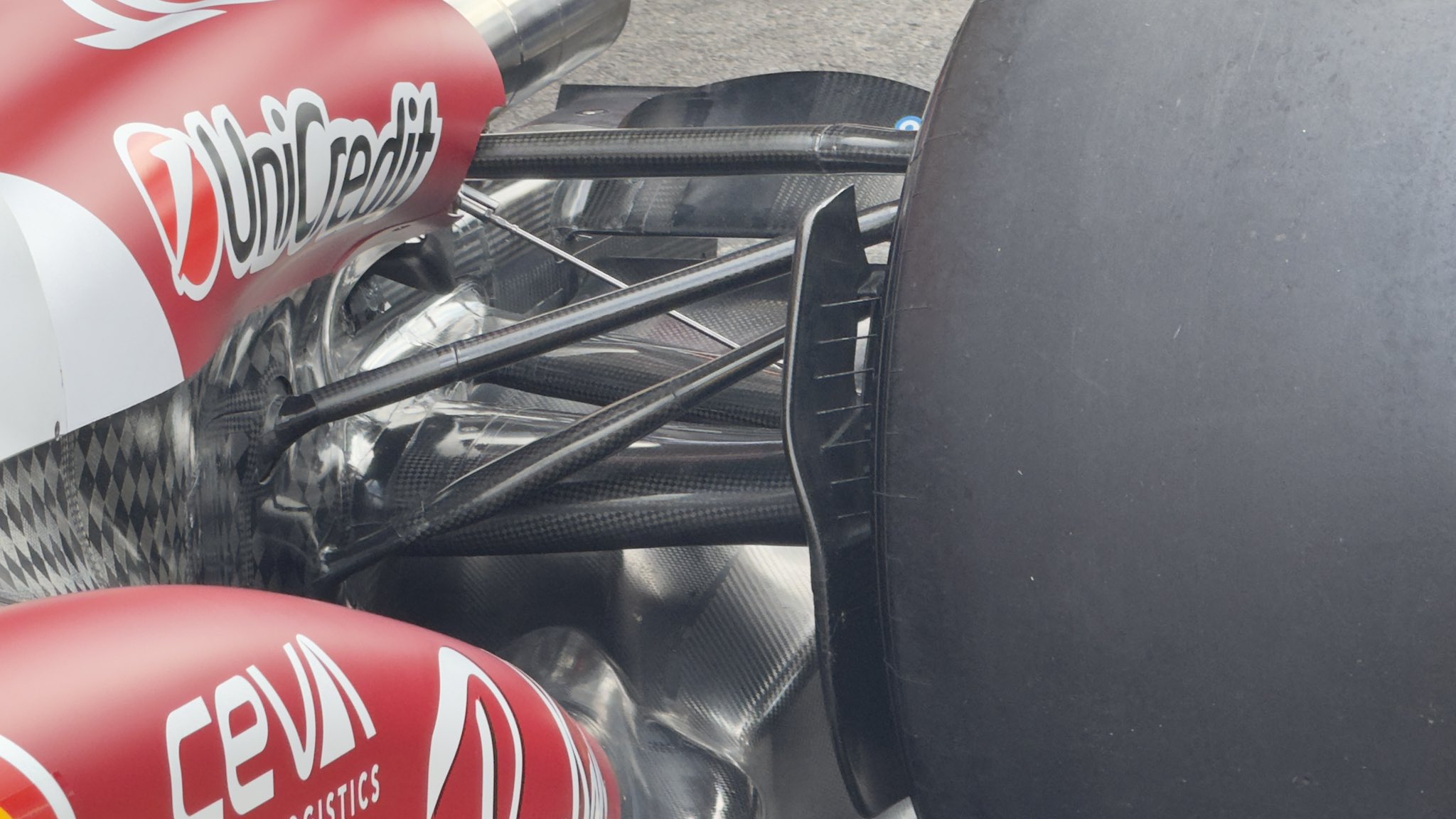
As expected, Ferrari has introduced a reprofiled rear suspension aimed at reducing the car’s sensitivity to ride-height changes. This upgrade is designed to keep the car within its optimal operating window, particularly on a track like Spa with its varied elevation and high-speed corners.
©Credit: X/Albert Fabrega
Lewis Hamilton, who tested the new layout during a filming day at Mugello, noted that it may take several race weekends to fully optimize the new geometry. Despite the gradual payoff, Hamilton praised Ferrari’s commitment to pushing development forward.
McLaren
McLaren’s upgrade package centers on a new low-downforce rear wing designed to improve aerodynamic efficiency across a similar drag range. This continues McLaren’s focus on refining its wing designs, an area where it has historically trailed Red Bull.
The updated wing is expected to provide benefits not only at Spa but also at upcoming low-drag circuits like Monza, Baku, and Las Vegas, as McLaren seeks to close the gap in aero efficiency.
Mercedes
Mercedes has introduced a new front wing endplate to optimize airflow over the front tires, improving aerodynamic performance. Additionally, the team has tweaked the rear corner, moving the “drum lip” inboard to reduce turbulence around the rear tires.
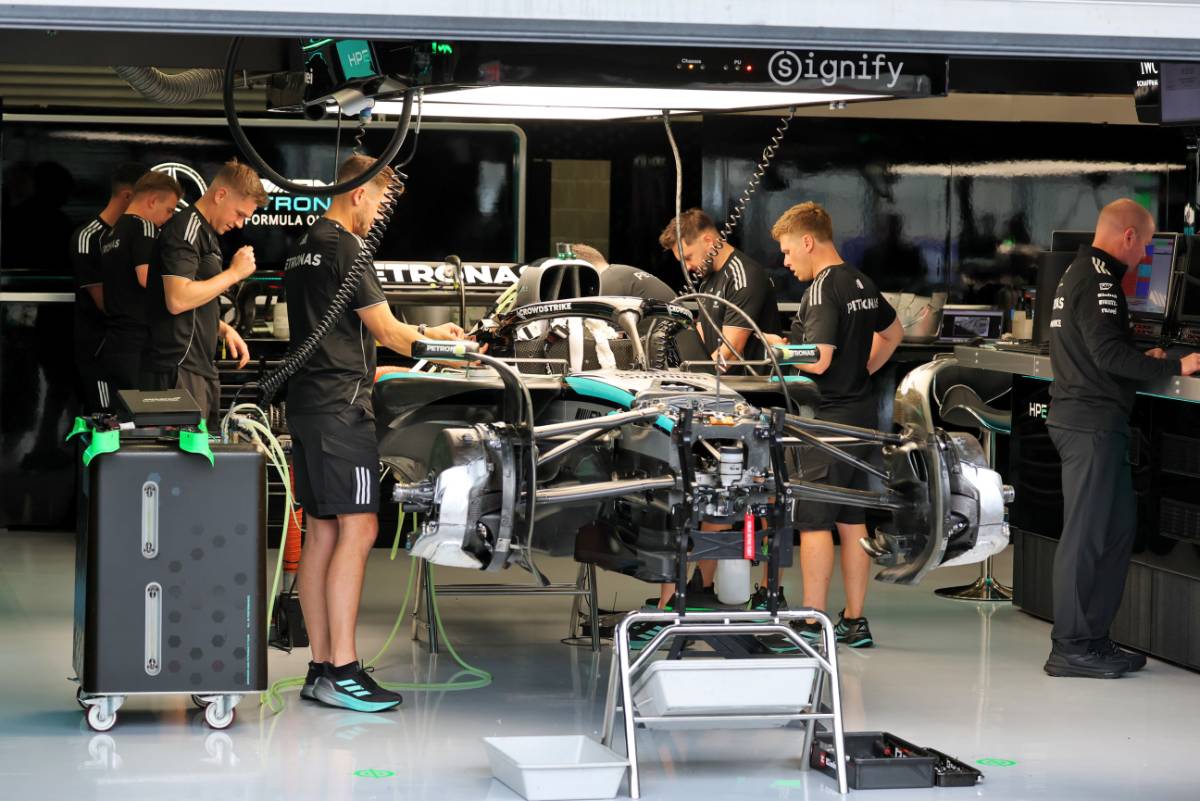
These changes aim to enhance overall car balance and efficiency, particularly on Spa’s long straights and fast corners.
Aston Martin
Aston Martin has brought a shorter nose, necessitating an updated front wing assembly to match. The team is also testing a new front wing flap with reduced load, tailored to Spa’s high-speed straights. However, team principal Andy Cowell emphasized that the new front wing is primarily a test item for FP1, with Fernando Alonso evaluating its performance.
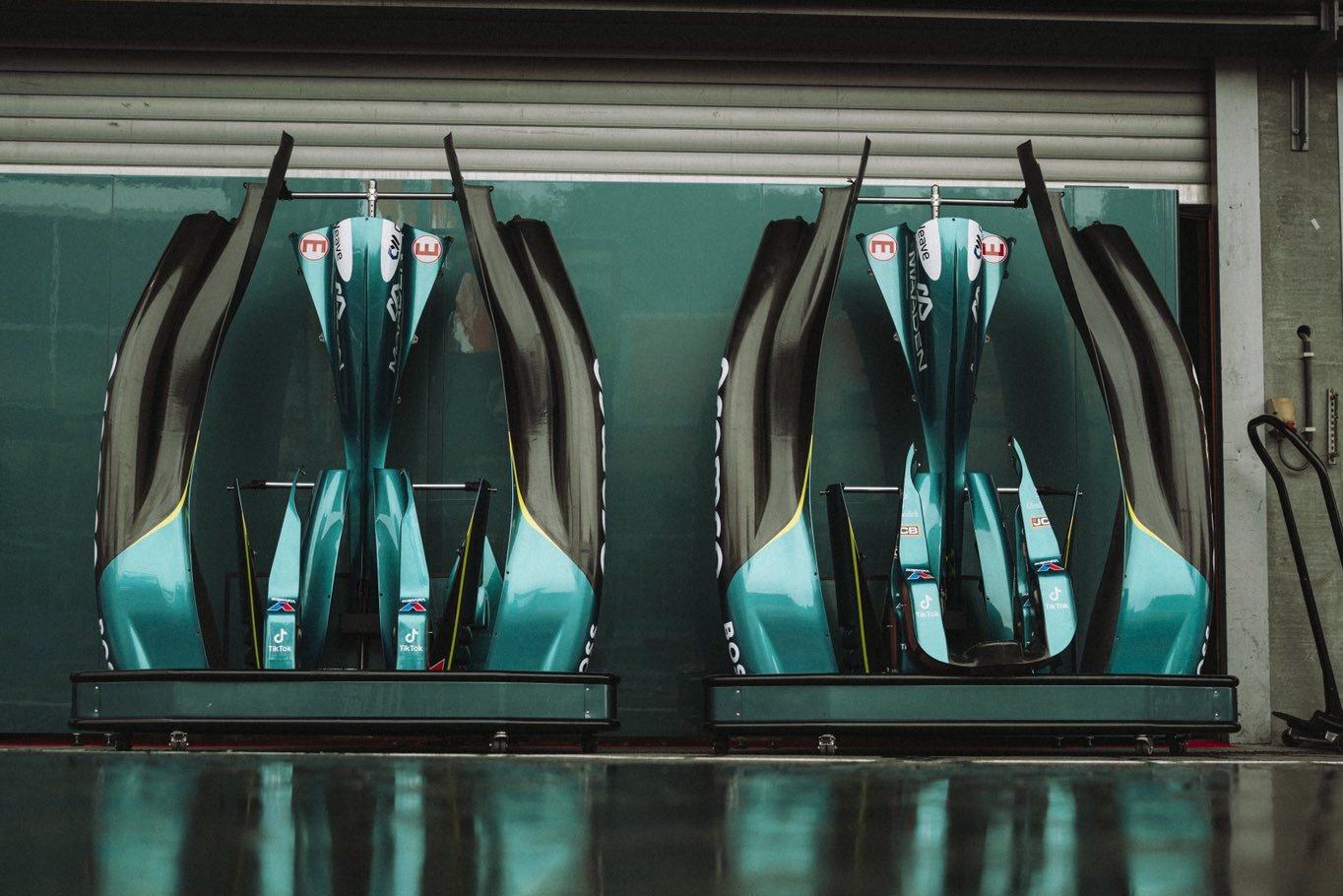
If it underperforms, Aston Martin will revert to its existing wing. The team has also introduced a lower-downforce rear wing and beam wing, which are confirmed for use throughout the weekend.
Alpine
Alpine’s upgrades are modest, with a focus on a lower-downforce rear wing and beam wing to suit Spa’s layout. The team has deliberately scaled back its 2025 in-season development to prioritize 2026 regulations, making this a relatively conservative update package compared to rivals.
Racing Bulls
Racing Bulls has targeted rear-end airflow with updates to the diffuser and rear corner winglets on the VCARB 02. The team has also introduced bespoke low-drag rear wings to optimize performance at Spa.
New team boss Alan Permane indicated that one additional minor upgrade is planned post-summer break, but the team’s primary aero development focus has shifted to 2026.
Williams
Williams has rolled out an extensive upgrade package, headlined by a redesigned floor with revised fence geometries and a more complex floor edge wing. These changes aim to redistribute aerodynamic loading, increasing front-of-floor downforce while improving downstream flow.
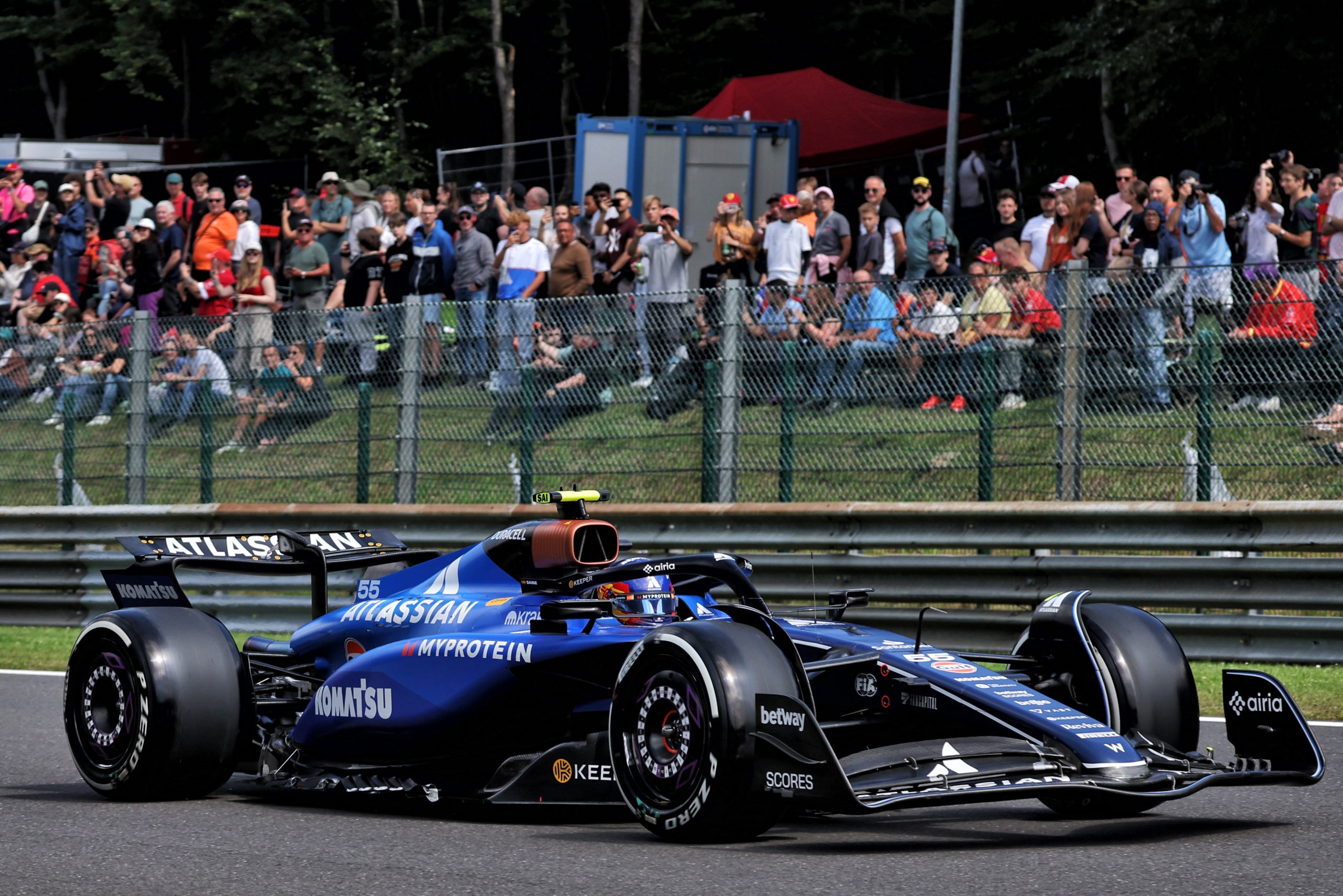
Additionally, a revised sidepod inlet allows for a deeper bodywork undercut, boosting aero performance without compromising power unit cooling. This ambitious package underscores Williams’ efforts to improve its midfield competitiveness.
Haas and Sauber have not declared any upgrades for this weekend, prioritizing setup optimization within the constraints of the Sprint schedule over new component introductions.
Keep up to date with all the F1 news via X and Facebook