

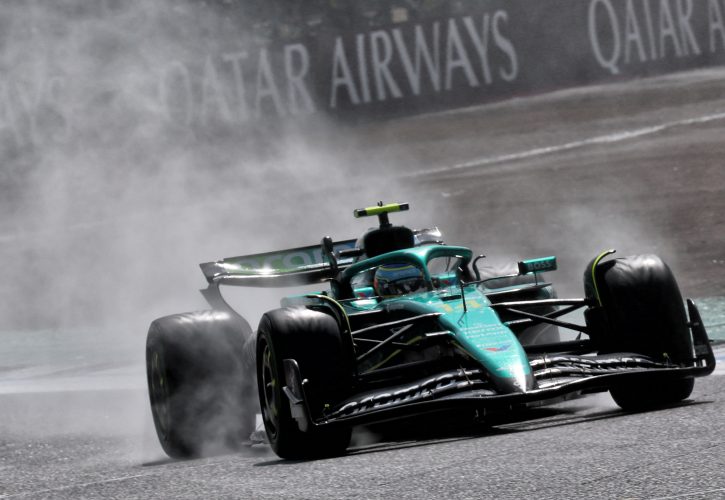


F1 veteran Fernando Alonso has suggested a radical solution to tackle visibility issues in wet Formula 1 races, following last weekend’s delayed Belgian Grand Prix.
The race was marred by an 80-minute delay and four safety car laps due to heavy spray, a cautious approach by race control that frustrated many drivers and fans alike.
The delay was attributed not to lack of grip at Spa-Francorchamps, but to dangerous levels of spray that severely compromised visibility, particularly on the track’s high-speed sections.
While some teams gambled on higher-downforce setups for the wet, only to be thwarted by the delay and drying track, Alonso directed attention elsewhere – toward the circuit itself.
Blame the Asphalt, Not Just the Tyres
Alonso believes the roots of the problem go back to 2017, when Formula 1 introduced wider cars and tyres. But he argues the modern asphalt used on most circuits is just as much to blame.
“I think the tyres, the wide tyres definitely made visibility worse,” the Aston Martin charger told reporters ahead of this weekend’s Hungarian Grand Prix.
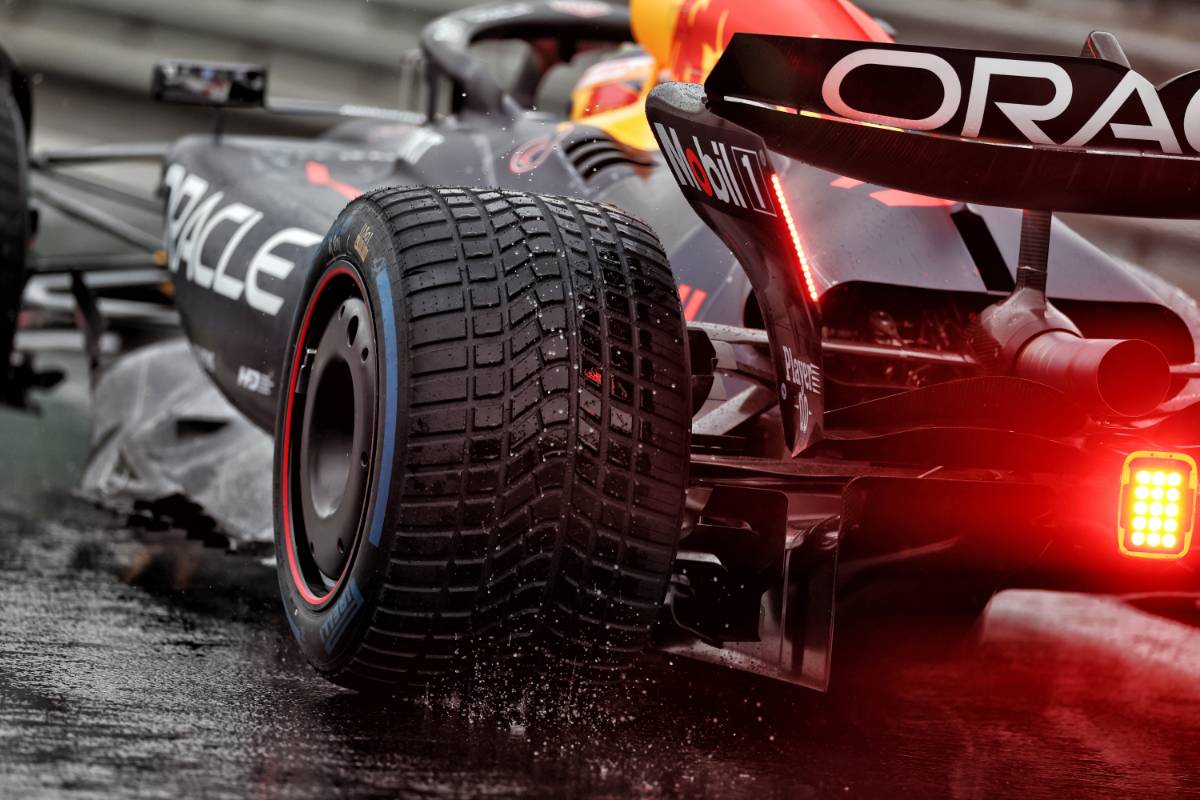
“And probably some of the asphalt in the circuits, they are a little bit different than what they've been in the past. Because we raced with a lot of water in Sepang [Malaysia] and it was always okay.”
“Now, this new generation of asphalt, which is very black and very grippy in dry conditions, is like a mirror in wet conditions. And yeah, visibility is not nice. But I don't know what we can do there or what the tyres can do in a very rough tarmac.”
A Radical Fix: Highway Asphalt for F1 Tracks?
Alonso floated an unconventional proposal – take inspiration from highways that see less spray in the rain.
“And even some of the highways, I have said many times that the highways, there are some that they have zero spray. So if we implement that tarmac in all the circuits as a normal rule, we will have zero spray,” he suggested.
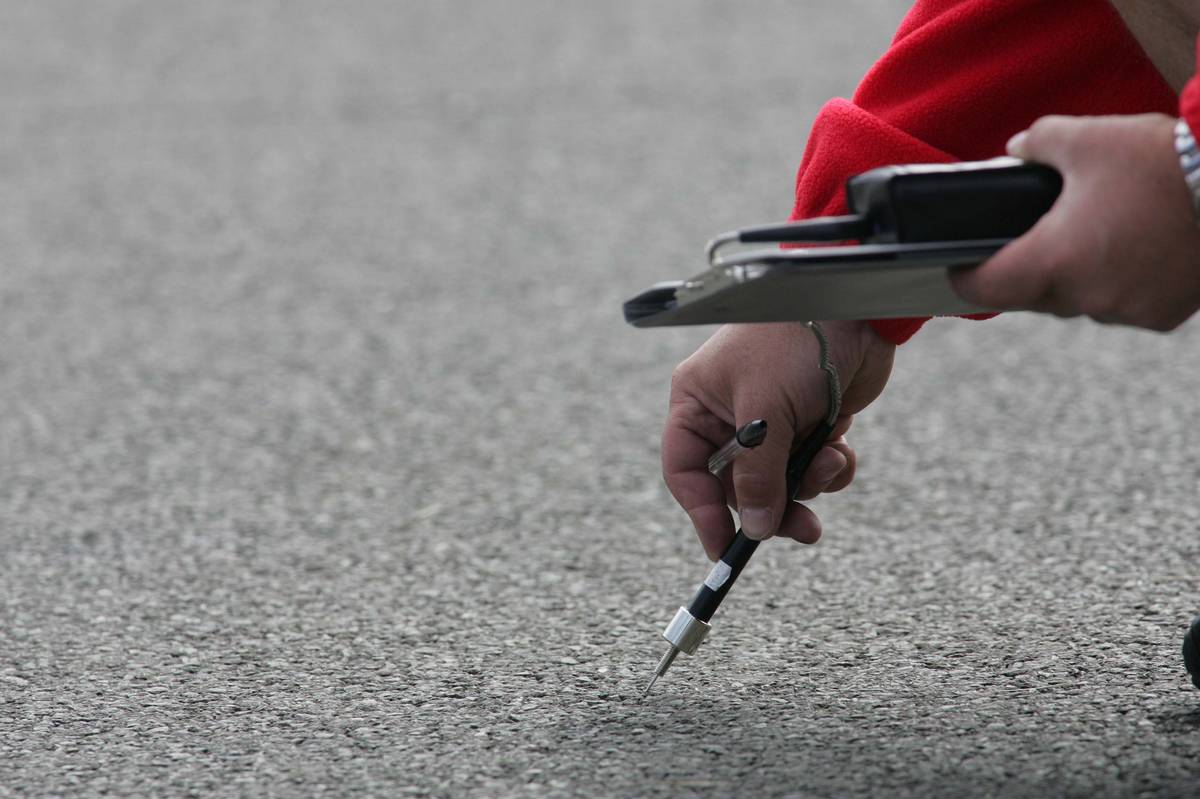
The Spaniard acknowledged the potential downsides of such a move, however.
“Then it will be a huge degradation, probably, in dry conditions – I don't know. But then we can work from that theme and have a starting point. But I'm just a driver.”
Costs and Consequences
The resurfacing of Formula 1 circuits with more porous highway-style materials – such as Open-Graded Friction Course (OGFC) asphalt – would represent a massive investment for circuit owners, according to a report from Motorsport.com.
While such surfaces help drain water more efficiently and reduce spray, they may compromise tyre performance, wear faster under racing conditions, and be more vulnerable to debris.
Read also:
Even Alonso concedes it’s a long shot. But with wet-weather safety growing as a concern – particularly after tragic incidents in recent years – his suggestion may not be dismissed so easily.
As the sport continues to search for a better balance between safety and spectacle, Alonso’s comments highlight the need for creative thinking, even if it comes with a hefty price tag.
Keep up to date with all the F1 news via X and Facebook