

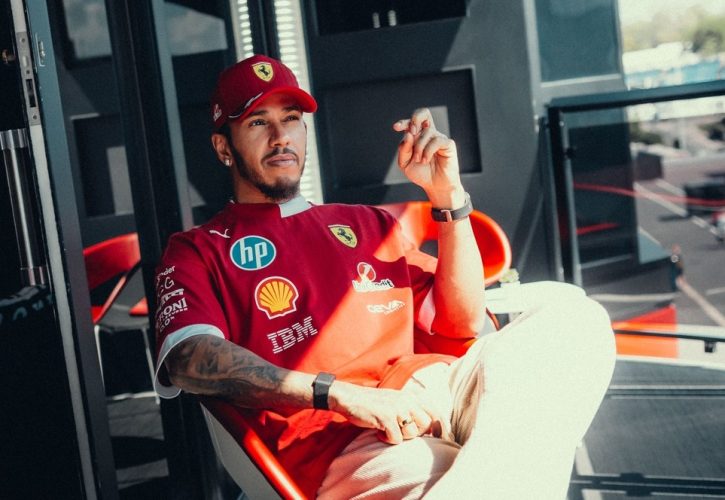


Seven-time Formula 1 world champion Lewis Hamilton says he has no interest in shaping his career around the concept of legacy, insisting that his real focus lies in creating tangible change within the sport and beyond.
In a sport typically defined by speed, records, and personal glory, Hamilton is shifting the narrative. At 40, the British driver is no longer preoccupied with how history will remember him.
Hamilton is dismissing the notion of legacy as his driving force, emphasizing instead his commitment to reshaping the sport he’s dominated for nearly two decades in terms of its diversity and sustainability.
A Shift in Perspective
Hamilton’s career is a tapestry of triumphs – 103 race wins, seven world titles, and a global platform few athletes can match. Yet, when asked about the legacy he hopes to leave behind, Hamilton redirected the conversation.
“No, that’s not my goal – that’s not what I’m focused on,” he told Belgian broadcaster RTBF. “I never really talk about legacy, it’s not my thing.”
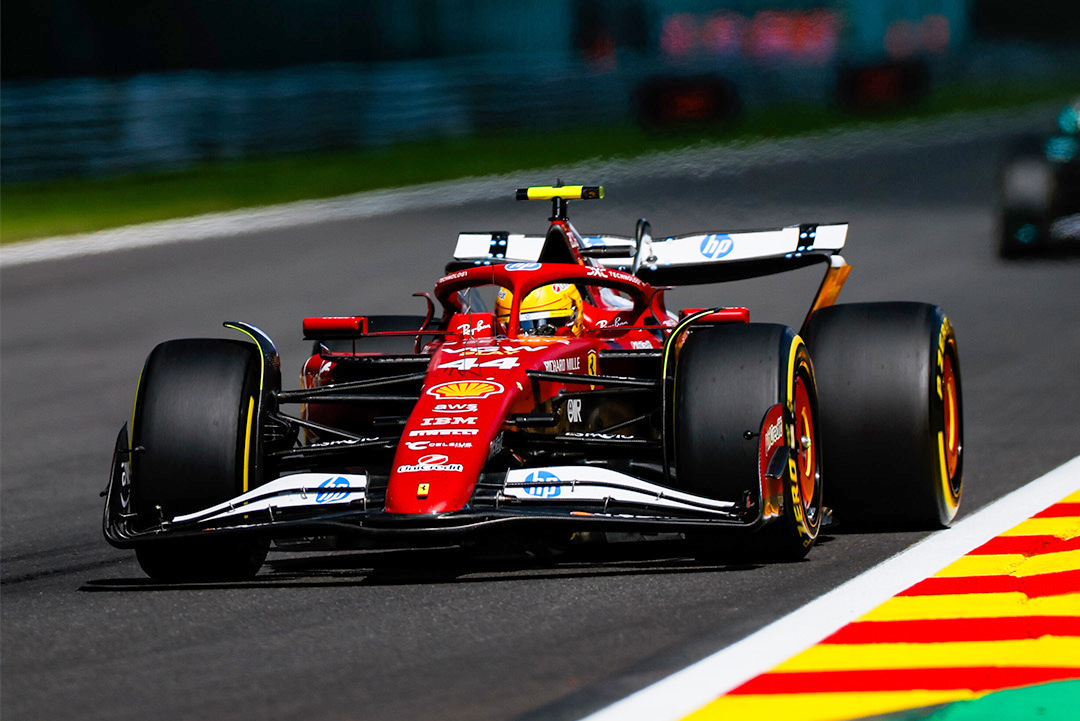
This wasn’t always his stance. Reflecting on his early years, Hamilton admitted to a more traditional mindset.
“When I was young, I used to say, ‘I want to be remembered as one of the best F1 drivers,’” he said. But time and experience have reshaped his priorities.
“Today, I think differently. What I focus on is what I can contribute concretely.”
For Hamilton, those contributions extend far beyond the racetrack. While his on-track prowess remains undeniable, even amid his current struggles at Ferrari, his ambitions now center on addressing systemic issues within Formula 1 itself, from economic disparities to environmental impact.
The Issue of Inequity
Hamilton is acutely aware of the sport’s evolution into a global juggernaut.
“F1 has grown enormously, with revenues skyrocketing from £700 million to over £3 billion,” he noted. “This growth is not reflected in all employees’ salaries, which have not kept pace with the business.”
His criticism highlights a broader issue of inequity within the sport’s workforce, where skyrocketing profits often benefit the top tier disproportionately.
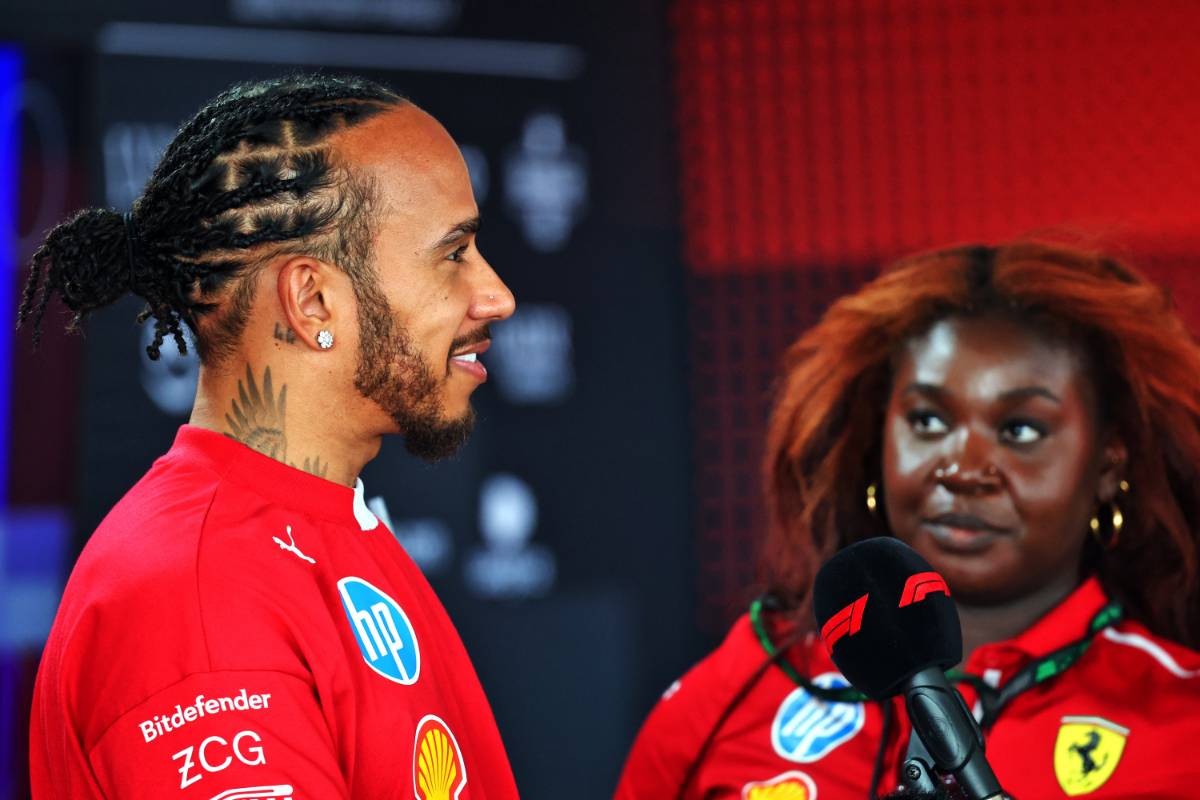
But beyond economics, Hamilton is also vocal about the enduring lack of inclusivity in Formula 1.
“There is still a significant lack of diversity in the paddock, and many things still need to change in our sport.”
His advocacy for diversity isn’t new—through initiatives like the Hamilton Commission, he’s worked to create pathways for underrepresented groups in motorsport.
But he sees his role as ongoing, pushing for structural changes to make the paddock more reflective of the world beyond the pit lane.
A Vision for a Sustainable Future
Hamilton’s vision for change extends to Formula 1’s environmental and social footprint. As the sport crisscrosses the globe, its impact on local communities and ecosystems is undeniable.
“When we visit all these countries, we must avoid leaving a mess behind,” Hamilton urged.
“There should be upcycling and a proper recycling system. Every weekend, food is wasted. Meanwhile, people are dying of hunger.
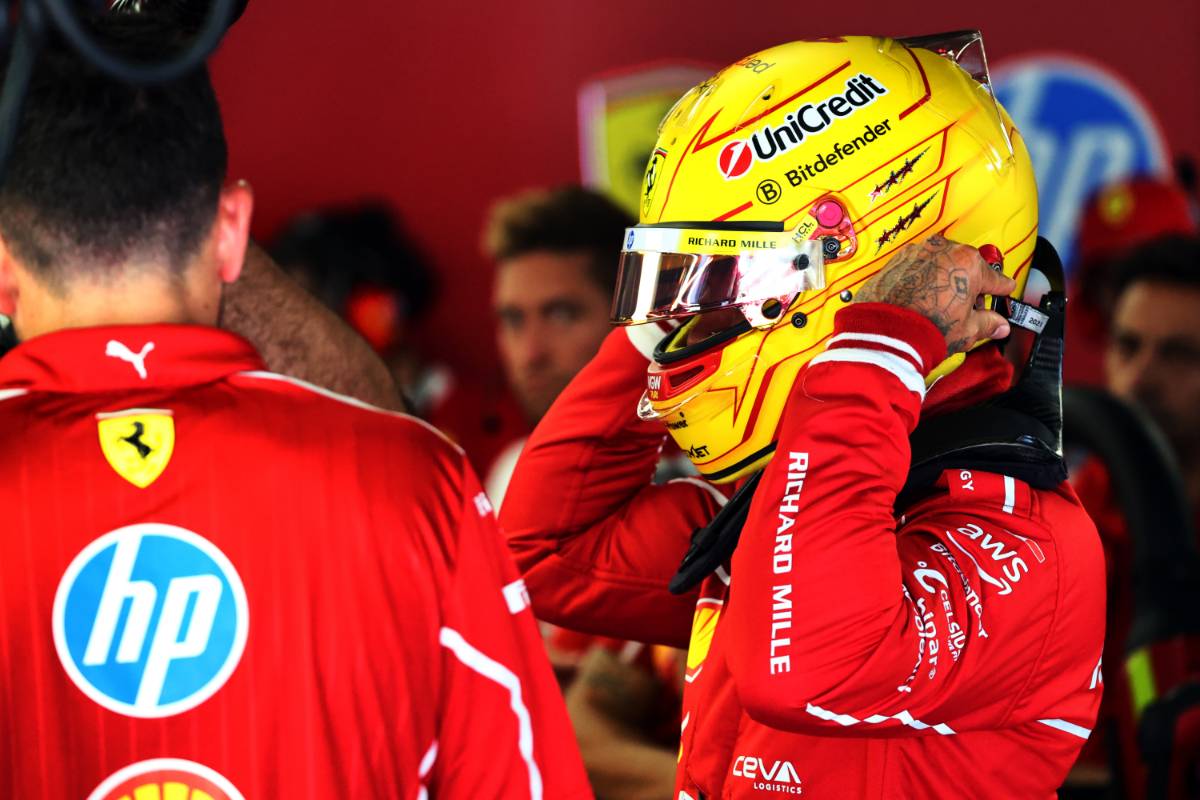
"We can work with food banks to redistribute it. There are so many positive things we can do here.
"Not everything has been done yet, and that’s normal. It’s not about being perfect, but about making progress every year.”
His focus on incremental progress underscores a pragmatic approach to reform, acknowledging the complexity of transforming a global sport while insisting on accountability.
Leading Beyond the Cockpit
Hamilton’s influence extends beyond policy proposals. He sees himself as uniquely positioned to advocate for change at the highest levels.
“I think that’s my role; I can get into the right rooms,” he said.
“Sometimes people tell me, ‘Shut up and drive.’ But that’s not me. I drive, yes, but I also do more – I can meet with the Prime Minister of the United Kingdom or even a president if necessary – I can enter important rooms and have difficult conversations.”
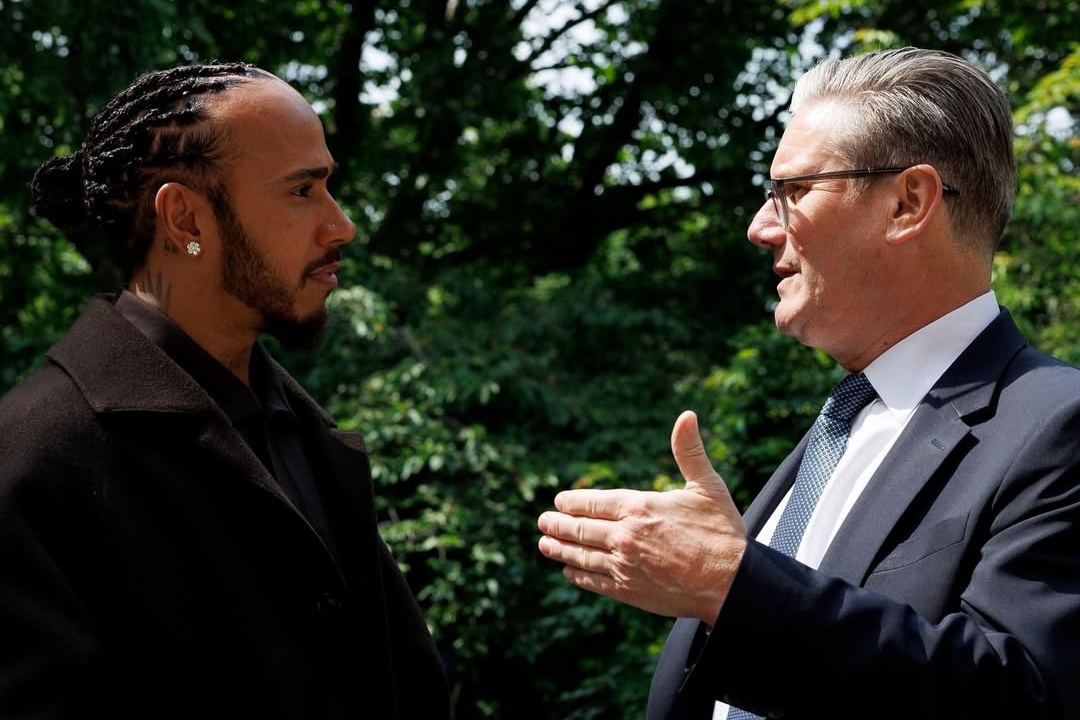
Lewis Hamilton met last June with UK Prime Minster Keir Starmer.
This willingness to embrace tough discussions sets Hamilton apart in a sport where drivers are often expected to focus solely on performance.
He draws inspiration from past drivers like Niki Lauda, who championed safety reforms in the 1970s.
“In the past, drivers like Niki Lauda pushed for greater safety,” Hamilton noted. “Today, we need to create more access and more opportunities.”
Read also:
Hamilton’s insistence on driving change over crafting a legacy reflects a mature evolution in his worldview.
“That’s just how I am, and that’s how I’ll continue to be,” he concluded.
His focus is not on how history will judge him but on the tangible progress he can inspire – whether it’s fairer wages, a more inclusive paddock, or a greener sport.
Keep up to date with all the F1 news via X and Facebook