



Formula 1’s power unit manufacturers are set for a pivotal meeting with the FIA in the days after the Italian Grand Prix, as momentum gathers behind proposals to bring back V8 engines powered by fully sustainable fuels – possibly as early as 2030.
The sport is only months away from introducing its all-new turbo-hybrid power units for 2026, but questions over complexity, weight, and spiraling costs have fueled discussions about an alternative path for the next regulatory cycle.
According to a report from The Race, the leading concept is a 2.4-litre V8 paired with a simplified Kinetic Energy Recovery System (KERS). This configuration would cut the electrical contribution from roughly 50% in 2026 to just 10%.
The move promises significant savings potentially slashing costs by up to 65% - while also reducing car weight by an estimated 80kg compared to the upcoming generation.
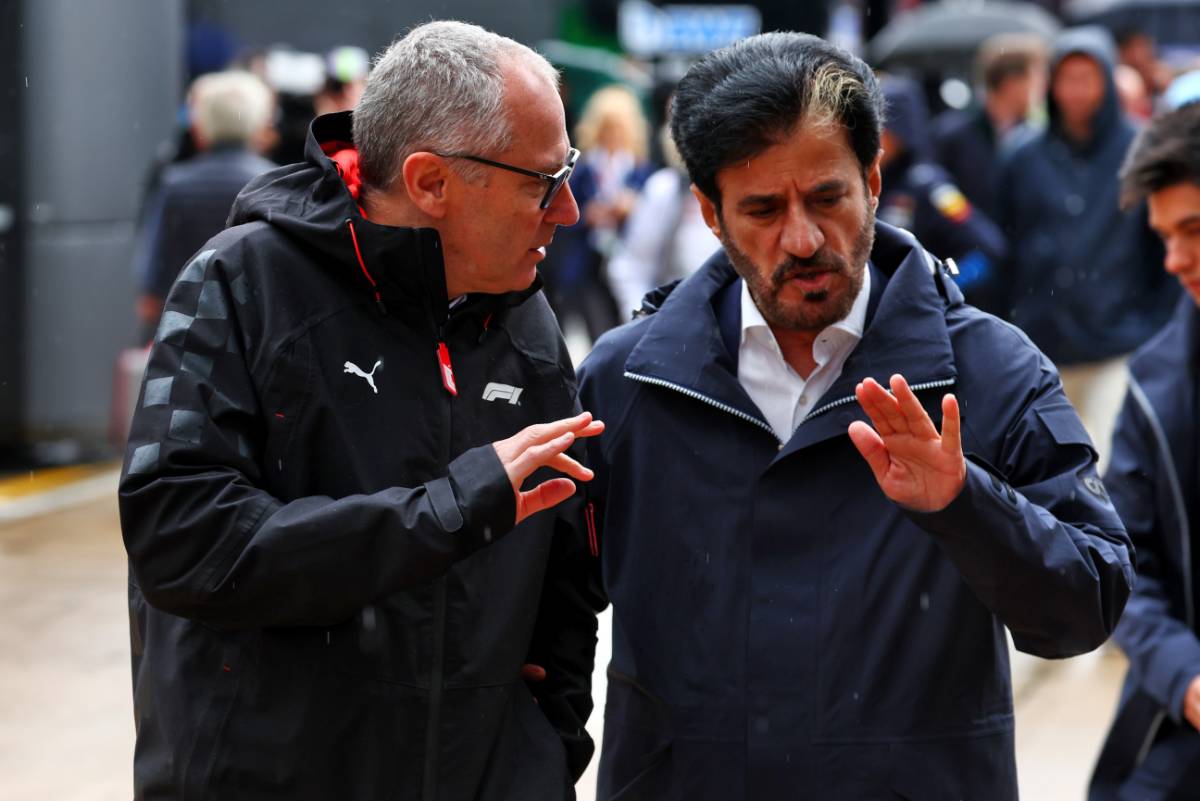
FIA president Mohammed Ben Sulayem has been one of the strongest advocates for change, openly questioning whether Formula 1’s current direction is sustainable.
“Now they can see, the teams and the PUMs [power unit manufacturers], that we cannot go on with this [current] engine,” he said during July’s British Grand Prix.
“It is such a complicated engine with the MGU-H. It did its time, but did it reach to the expectation? In another three years, I hope it's an old engine, as it will be 15 years [since it was introduced in its first form].”
When to Switch?
The debate now hinges on timing. The 2026 turbo-hybrids are scheduled to run until the end of 2030, but Ben Sulayem has made clear he doesn’t want to wait until 2031 to usher in a fresh concept.
For him, the sooner the sport commits to a new direction, the better.
However, many manufacturers reportedly prefer to hold fire until the close of the decade. A 2029 switch has been floated but is viewed by several stakeholders as too soon – especially since an earlier change would demand a complete overhaul of chassis rules only a few years after the 2026 reset.
To settle the issue, the FIA has called for a September 11 summit with engine manufacturers and team representatives, where long-term strategy and transition timing will be at the top of the agenda.
Not every manufacturer is enthusiastic about a V8 return. Audi, set to join the grid in 2026, committed to Formula 1 specifically because of its push toward complex hybrid technology and sustainable innovation.
Any pivot away from that direction risks undermining the rationale for its entry, raising the possibility of resistance to a quicker switch from the German marque.
Domenicali Supports the Vision
F1 CEO Stefano Domenicali has previously spoken in favor of a sustainable-fuel-powered V8 formula, arguing it could combine the best of both worlds: spectacle and sustainability.
“Sustainable fuel, [and a] V8, I think is great. And hybridisation is, I do believe, the next step of the future,” Domenicali said before the summer break.
“But I don't want to take away the focus of next year's generation of regulation or power unit, because that will be wrong.
Read also:
“So let's stay focused on what has to be developed in the next couple of years. And then I think that that's the future. I agree.”
The September meeting could prove decisive in shaping Formula 1’s long-term engine future. While the new hybrid era is just beginning, both the FIA and F1’s leadership see fully sustainable V8s – with lighter cars, reduced costs, and simpler technology – as an enticing prospect.
The only real question now is how soon the switch can be made.
Keep up to date with all the F1 news via X and Facebook