



The FIA’s bold vision to reintroduce V8 engines to Formula 1 as early as 2030 has hit a significant roadblock, with a crucial meeting scheduled for September 11 in London abruptly postponed.
The summit, intended to bring together the sport’s engine manufacturers and team representatives, was meant to address growing concerns about the complexity and cost of the turbo-hybrid power units used in F1.
However, fierce opposition from key manufacturers has derailed the FIA’s push, casting doubt on the timeline for a return to the iconic V8 engines.
A Push for Tradition Meets Modern Resistance
FIA President Mohammed Ben Sulayem has been a vocal advocate for moving away from the V6 hybrid engines, which have powered Formula 1 since 2014.
With the sport set to introduce revised turbo-hybrid regulations in 2026, featuring a 50-50 split between internal combustion and electric power, Ben Sulayem has expressed concerns about their complexity, cost, and impact on car weight.
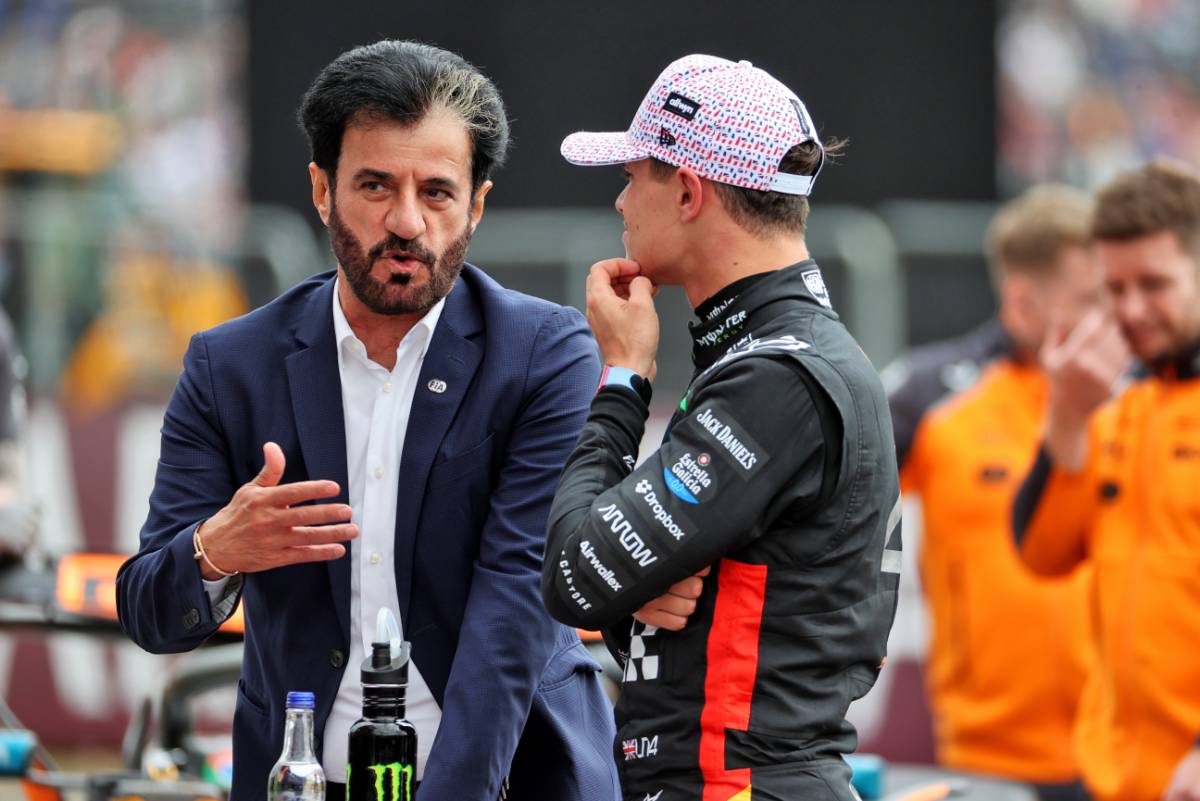
His solution – a return to V8 engines running on fully sustainable fuel with a simplified Kinetic Energy Recovery System (KERS) – was seen as a compromise to balance tradition with environmental goals.
“To us, the V8 is happening,” Ben Sulayem declared earlier this summer, signaling his determination to fast-track the change.
The proposed 2.4-litre V8 engines, paired with sustainable fuel and a reduced hybrid component, promised to cut costs by up to 65% and shave as much as 80kg from car weight compared to the 2026 units.
These benefits resonated with some stakeholders, including Red Bull Powertrains and Cadillac, who reportedly supported a transition as early as 2029.
However, the plan faced immediate pushback from manufacturers like Audi and Honda, who are heavily invested in the hybrid technology set to dominate the 2026 era.
Manufacturer Discord Derails Summit
The now-cancelled London meeting was intended to bridge the divide among manufacturers and settle on a timeline – potentially 2029 or 2030 – for introducing the V8 formula.
However, sources indicate that Audi and Honda’s firm opposition made consensus impossible. Audi, preparing for its 2026 F1 debut, has publicly criticized the pivot away from electrification, citing its commitment to hybrid technology as a core reason for entering the sport.
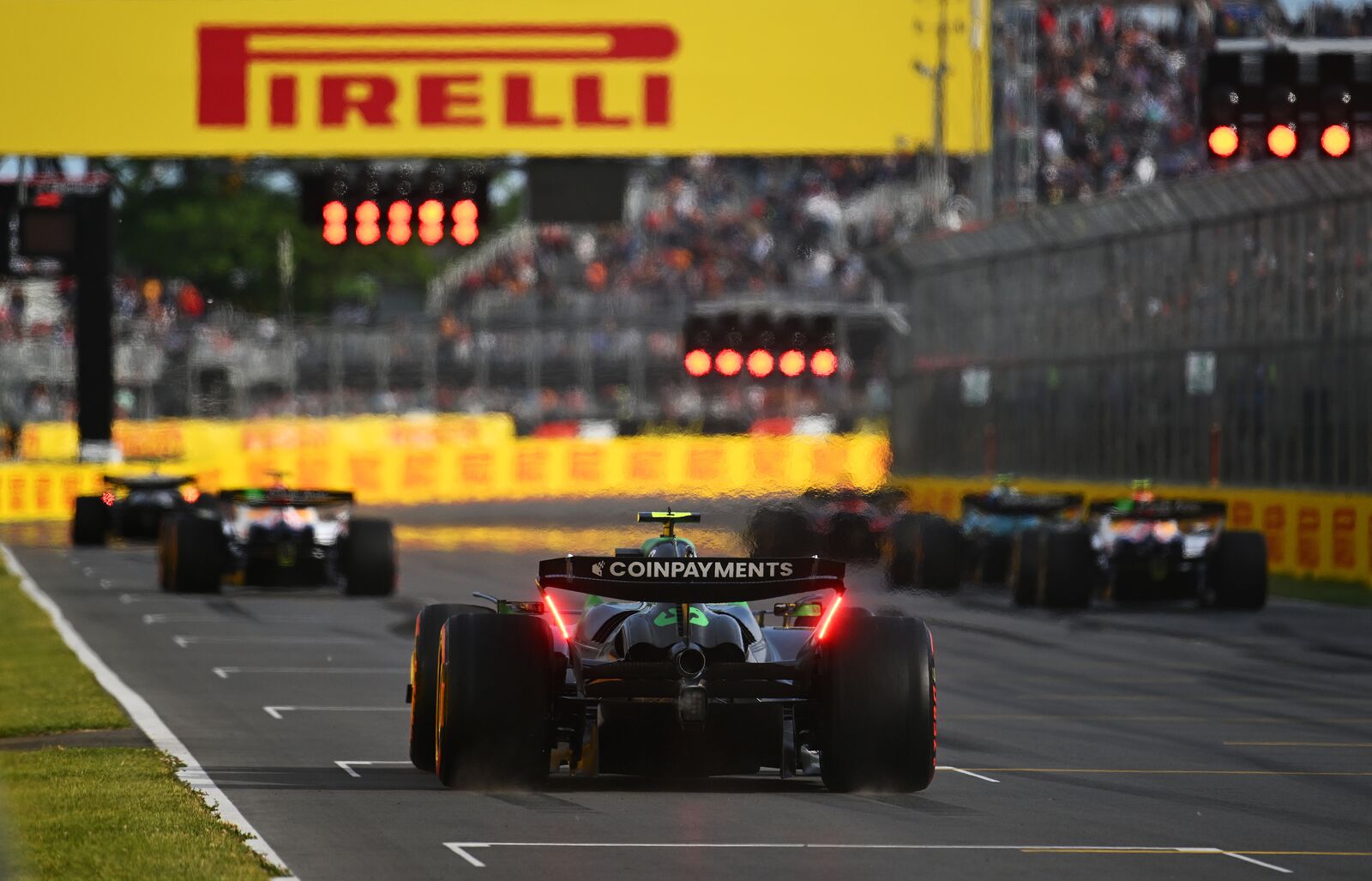
Honda, who will supply Aston Martin from 2026, also prefers to maintain the upcoming V6 turbo-hybrid regulations for their full five-year cycle, arguing that an early switch would undermine their significant investments.
Under F1’s Power Unit Governance Agreement, any fundamental change to engine regulations before 2031 requires a super majority, including support from the FIA, Formula 1 management, and four of the five registered manufacturers.
Read also:
With Audi and Honda standing firm, the necessary agreement was unattainable, prompting Ben Sulayem to call off the summit.
“The meeting would be fruitless,” noted Auto Motor und Sport, highlighting the lack of alignment among stakeholders.
What’s Next for F1’s Engine Future?
The cancellation marks a setback for Ben Sulayem’s vision, effectively delaying any potential V8 adoption until at least 2031, when the current regulatory framework expires.
Beyond that date, the FIA could theoretically impose its preferred regulations unilaterally, as no governance or Concorde Agreement will be in place.
However, such a move risks alienating manufacturers like Audi, whose commitment to F1 hinges on its alignment with advanced hybrid technology.
The debate over V8s reflects broader tensions in Formula 1’s quest to balance spectacle, sustainability, and cost.
Keep up to date with all the F1 news via X and Facebook