



Italy's Autodromo Nazionale Monza fully deserves its label as motorsport's Temple of Speed, as however fast an F1 car is designed to go, it has the potential to reach or even exceed its top speed capabilities at the legendary venue.
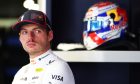
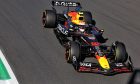
But Max Verstappen’s pole lap on Saturday for the Italian Grand Prix equated to a historical landmark for F1 as the Red Bull driver produced – with an average speed of 264.682 km/h – the fastest ever qualifying lap in the history of the sport.
In fact, both Verstappen and runner-up qualifier Lando Norris beat the previous record established by Lewis Hamilton in 2020, the then Mercedes driver setting that year an average of 263.363 km/h.
While F1’s older generation cars were quicker in the corners, Verstappen earned his achievement thanks to the top speed of his RB21 in qualifying which exceeded Hamilton’s W11 by 8 km/h.
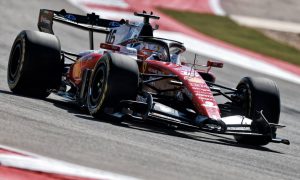
Yet, the Dutchman’s machine was only the ninth quickest through the speed trap, with Sauber’s Nico Hulkenberg and Gabriel Bortoleto claiming bragging rights for maximum velocity.
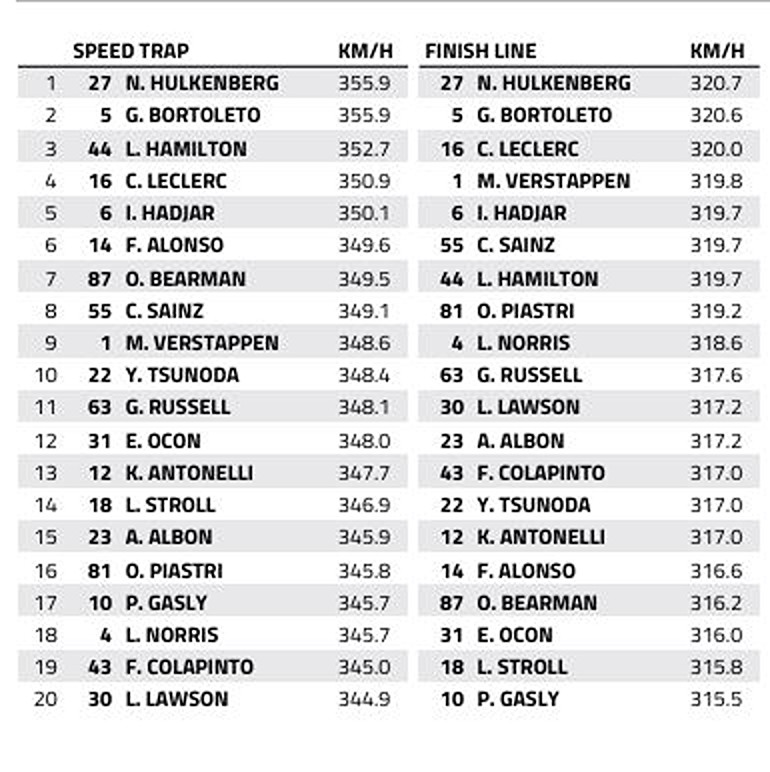
McLaren’s lowly position in the speed trap pecking order – with Oscar Piastri and Norris clocking in among the relative laggards – directly reflects the MCL39’s massive downforce and high drag, even in its low-downforce configuration.
At the other end, Ferrari’s contenders were fastest among the front-runners on the main straight, an asset that should prove useful on Sunday, although a second consecutive home win for Charles Leclerc is a tall order.
So, where does all this leave us for Sunday?
It’s a bit of a cliché but it might all just boil down to the first corner. Whoever gains track position at the first chicane – be it Verstappen, a McLaren, or Leclerc – will have a strong shot at glory in what should be a one-stop race in normal circumstances, with the medium and hard compounds doing most of the work.
Pirelli’s soft rubber might come into play in the event of a neutralization in the second half of the race.
Interestingly, the graining headaches of last year have been nowhere to be see this weekend. Perhaps because the track surface has had a full twelve months to settle in, and on top of that, Pirelli’s 2025 tyres were built tougher, with greater resistance to graining.
So, strap in for Sunday, and don’t miss the start!
Keep up to date with all the F1 news via X and Facebook