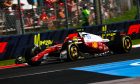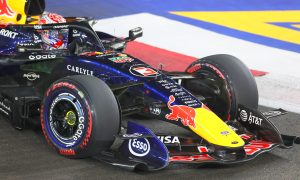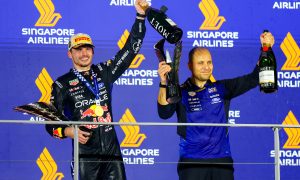


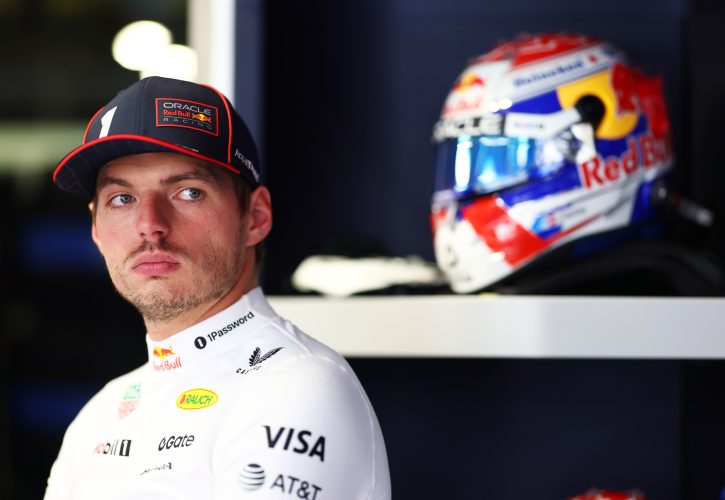


Max Verstappen stunned the paddock on Saturday by taking pole position for the Italian Grand Prix — just a year after branding Red Bull’s car “a monster” around Monza.
But the real story behind his pole isn’t only about raw speed. In a weekend where set-up choices hung in the balance, Verstappen went against the grain, overruling members of his own engineering team to back what he believed was the right direction for the RB21.
That bold call proved decisive, with Verstappen’s faith in his instincts vindicated when he topped qualifying.
For a driver who thrives on control and confidence, there may be no greater psychological boost heading into Ferrari’s home race.
Improved Knowledge after Zandvoort
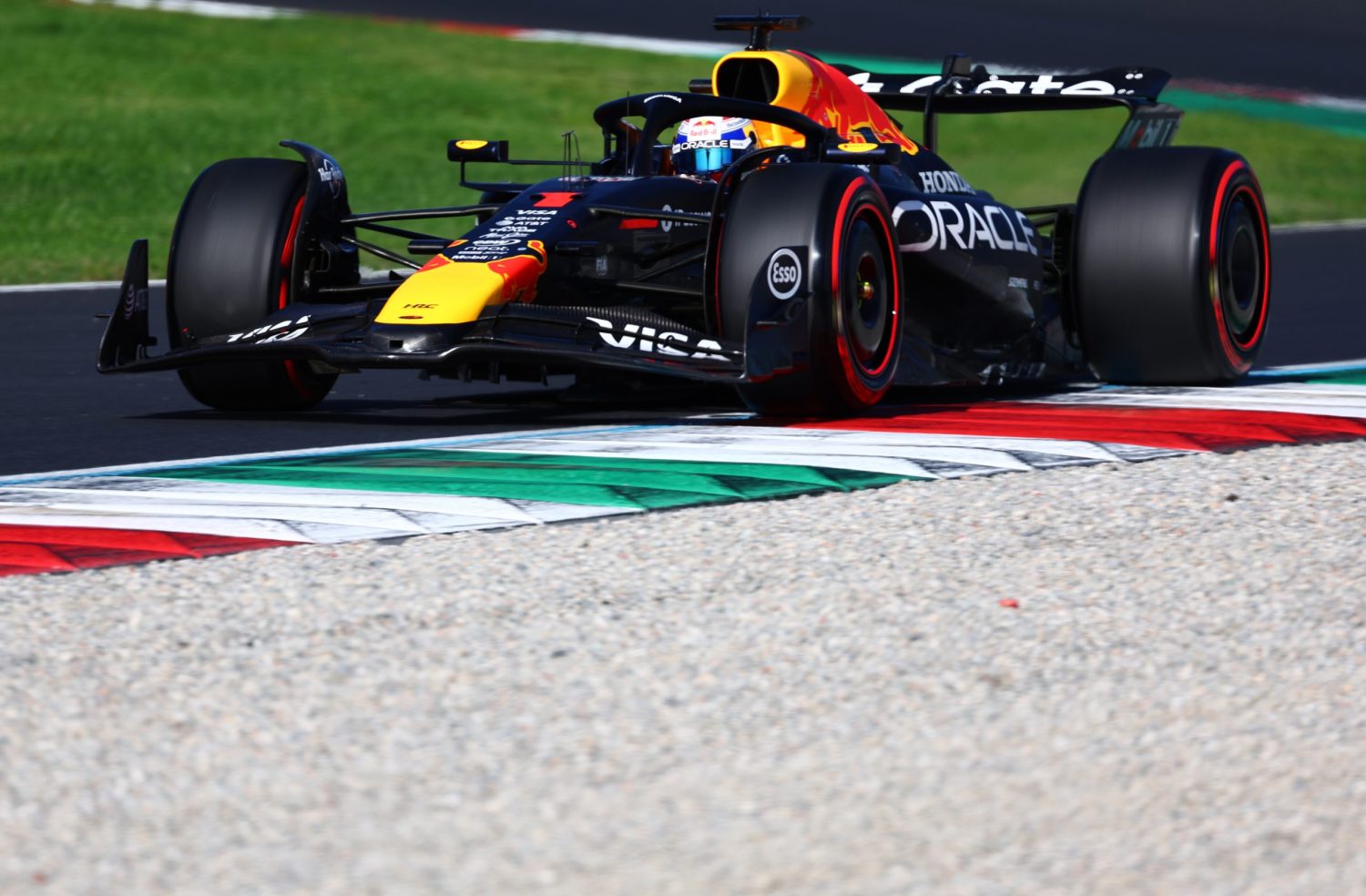
Verstappen admitted that Red Bull came into the weekend unsure whether the RB21 would thrive on the low-downforce demands of Italy’s Temple of Speed.
“We have obviously learned and understood quite a lot since last year,” he explained. “The car is quite different from last year, although this season we’ve still had plenty of struggles with the car balance. That meant it was still a bit of a question mark to us how good or how bad the car would be here.
“But on Friday I was more satisfied with the balance than usual, and I think we know a bit better how to set up the car by now. That allows us to make small steps after each session instead of having to change a lot of things throughout the weekend. Obviously that has helped me a lot in qualifying.”
©RedBull
So comfortable was Verstappen during practice that he could hardly recall the last time it felt this smooth.
“That has been a very long time ago. Also, the fact that we have only changed small things throughout the weekend has been a long time ago.”
Red Bull did bring a revised floor to Monza, but Verstappen believes their breakthrough lies more in how they’ve understood the RB21 since the Dutch Grand Prix.
Read also:
“I think we have learned quite a lot about this year’s car in Zandvoort, and I hope that we can use that knowledge for the rest of the season,“ he said.
“Of course, I have to say that our car works a bit better on medium- and low-downforce tracks anyway, because we always have quite a lot of understeer in the middle of the corners. That’s something you can manage a bit better around this track.”
Verstappen Makes the Call
The real turning point came not from data sheets, but from Verstappen’s own conviction in how the car should be set up. His decisive radio message after qualifying – “It worked! Relax there, it’s all good” – referred to that very moment.
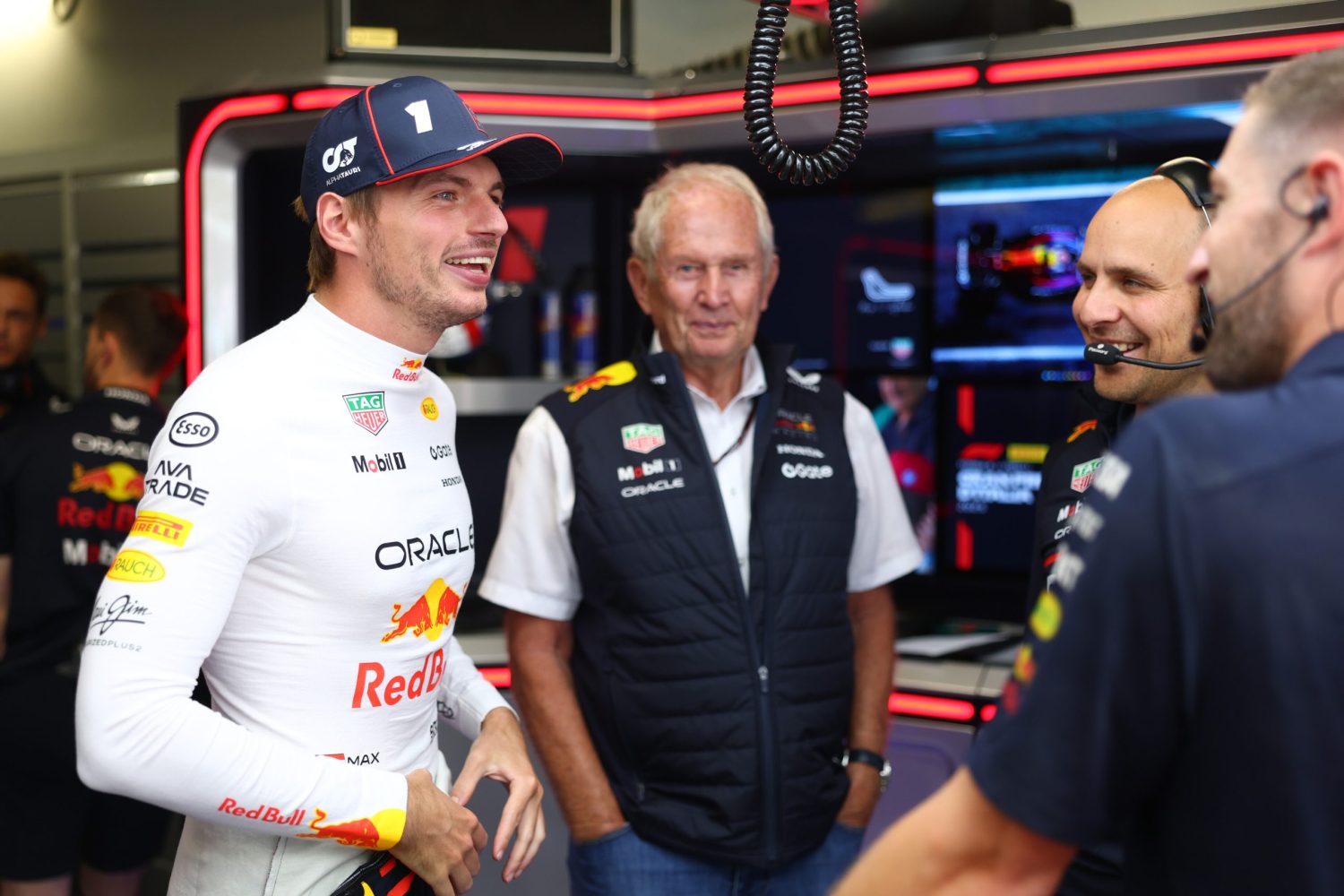
“Before qualifying, some people within the team wanted to try something else with the set-up, but I said: ‘No, we shouldn’t do that,’” Verstappen revealed.
“When I walked back to my room, I could still see some faces and a few people doubting that set-up direction. But I just felt, ‘this is what we need to do,’ and luckily it worked out.”
©RedBull
Pressed on whether the decision was more his than the team’s, Verstappen clarified:
“Well, in the end you make these decisions with multiple people, also with GP [Lambiase] and some other people around me.
“Of course, I also understand why certain questions were asked and why some people might have preferred a different direction. But in the end, I’m the one sitting in the car and feeling certain things. I felt that we had to make just a few small changes and that it would be better then.”
Delivering Under Pressure
Verstappen still had to nail the laps when it mattered.
“In both of my Q3 laps I didn’t have any big mistakes,“ he said. “That’s always quite tricky to achieve at this track. Braking from such high speeds into these two chicanes, it’s not always easy to hit the apex properly, but today it all came together.”
The RB21 also carried a touch more top speed than McLaren, something Verstappen hopes will come in handy when the lights go out on Sunday.
“I think I have a little bit more top speed, but ultimately you need to go fast around the corners as well,” he said.
Keep up to date with all the F1 news via X and Facebook