

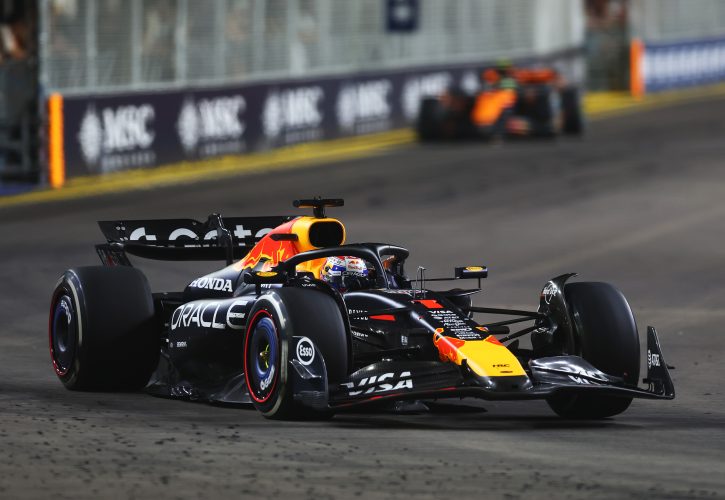


As Formula 1 hurtles toward its seismic regulation shake-up in 2026, Red Bull is bucking the trend as it continues to pour resources into the development of its RB21 machine while its rivals are now fully focused on their 2026 contender.
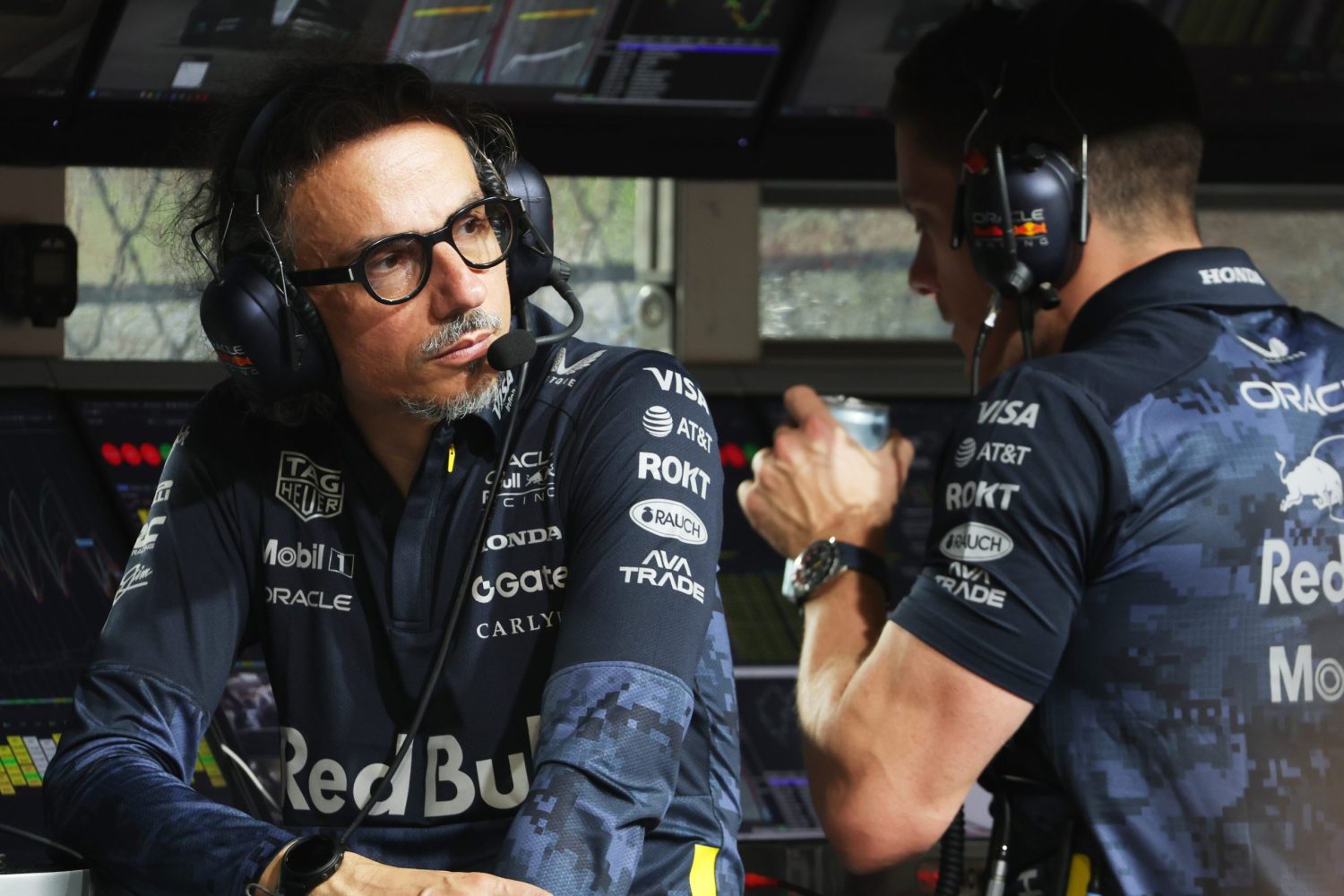
But team principal Laurent Mekies laid it bare in Singapore: understanding the ins and outs of this year’s car is non-negotiable, even if it means shortchanging the future.
The Milton Keynes-based outft has pressed ahead with upgrades to the RB21, introducing a revised floor at Monza and a new front wing in Baku – changes that have noticeably sharpened the car’s competitiveness and given Max Verstappen a faint but fighting chance at defending his world title.
Digging Deeper Into the 2025 Car
Mekies insists the continued investment in the current car is not just about short-term gains but about strengthening the foundation for future success.
“Certainly, from a Red Bull Racing perspective, even without looking at the other guys around, I think it was [right],” Mekies said in Singapore, quoted by Motorsport Week.
“It is very important that we get to understand if the project has more performance.
“It’s important that we get to the bottom of it, because we will judge, and we will elaborate next year’s project with the same tools and with the same methodology, even if the regulations are completely different.”
©RedBull
That learning process, Mekies explained, is essential for ensuring that Red Bull’s engineering tools – from its wind tunnel to its simulation data – are properly calibrated.
The team has battled occasional correlation issues between what it sees in the lab and what it experiences on track, making this final stretch of the 2025 season a critical testing ground.
“It’s very important that we validate with this year’s car that our way of looking at the data is correct, and that our way of developing the car is correct,” he said.
“If we can produce that level of performance, then that will give us confidence in the winter for next year’s car.”
A Trade-Off of Strategic Importance
While Red Bull’s approach has clearly paid short-term dividends, Mekies is under no illusion that it’s without consequences.
Continuing to channel resources into this year’s car means fewer personnel and less development bandwidth for the all-new 2026 project – a car that will have to comply with drastically different aerodynamic and engine regulations.
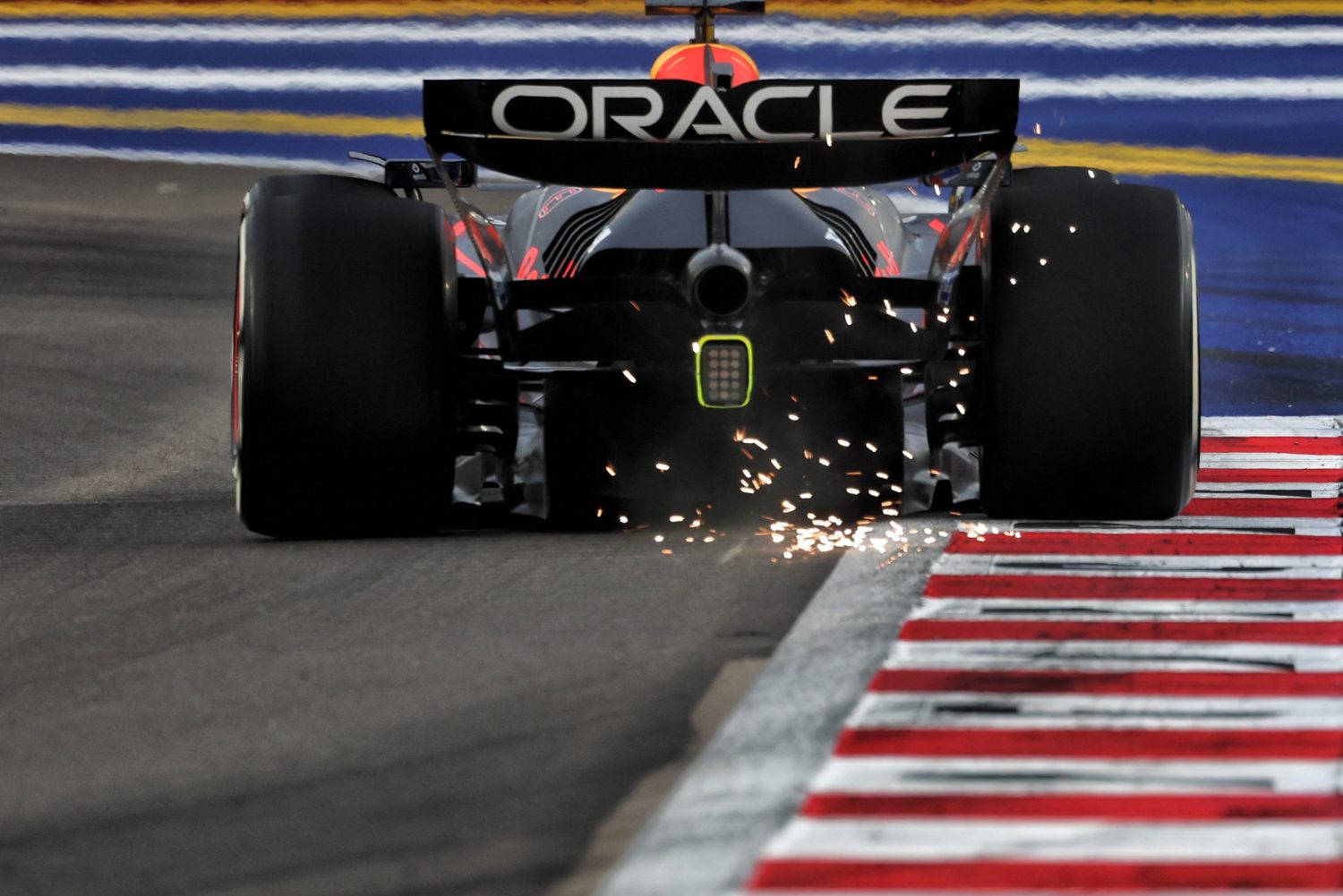
“Of course it comes at a cost, undoubtedly, to the ‘26 project,” the Frenchman admitted. “But we feel it’s the right trade-off for us without judging what the other guys are doing.”
That trade-off reflects a pragmatic, long-term view: by pushing the RB21’s design envelope now, Red Bull hopes to enter the 2026 era with a better understanding of its processes, its data correlation, and its people.
For Mekies, it’s a gamble rooted not in desperation, but in discipline – one that could prove decisive when the sport resets next year.
Read also: Verstappen admits title bid unlikely after winless weekend
Keep up to date with all the F1 news via X and Facebook