

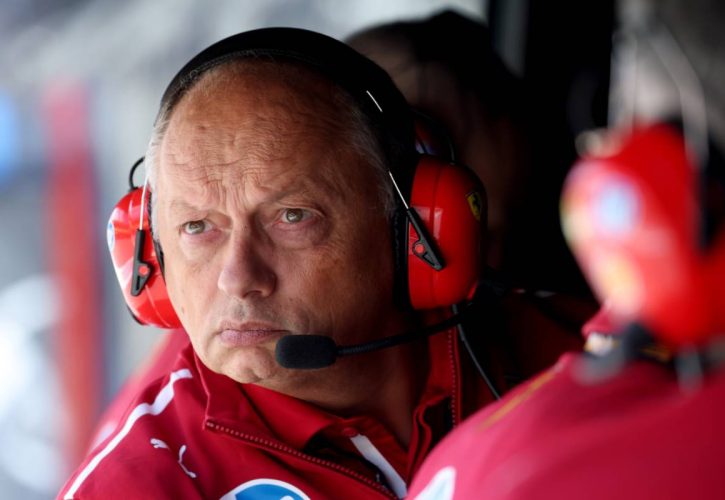


There’s a growing tension inside Ferrari’s red walls – a sense that potential is being squandered, that promise too often gives way to pain, and team boss Fred Vasseur can barely conceal his exasperation.
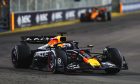
At the Singapore Grand Prix, a race that once symbolized Ferrari’s flair under the lights, the team found itself trapped in another loop of underachievement.
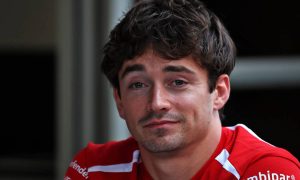
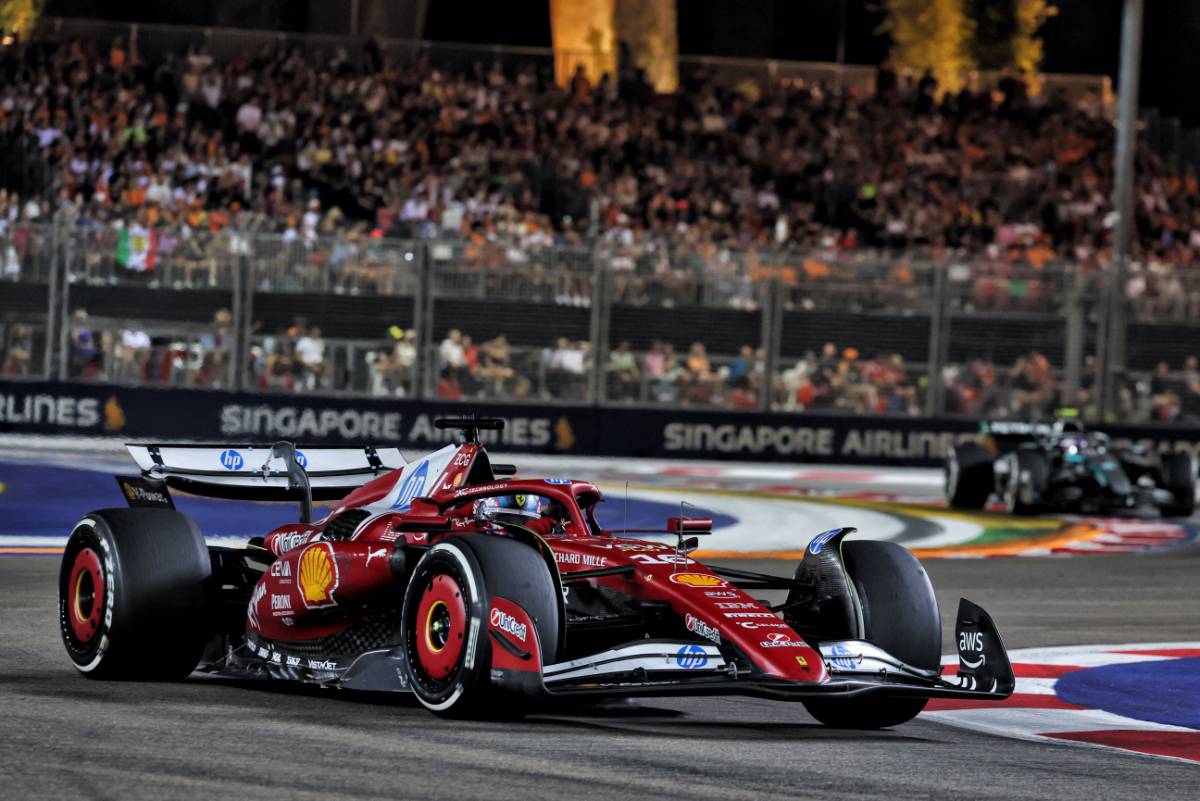
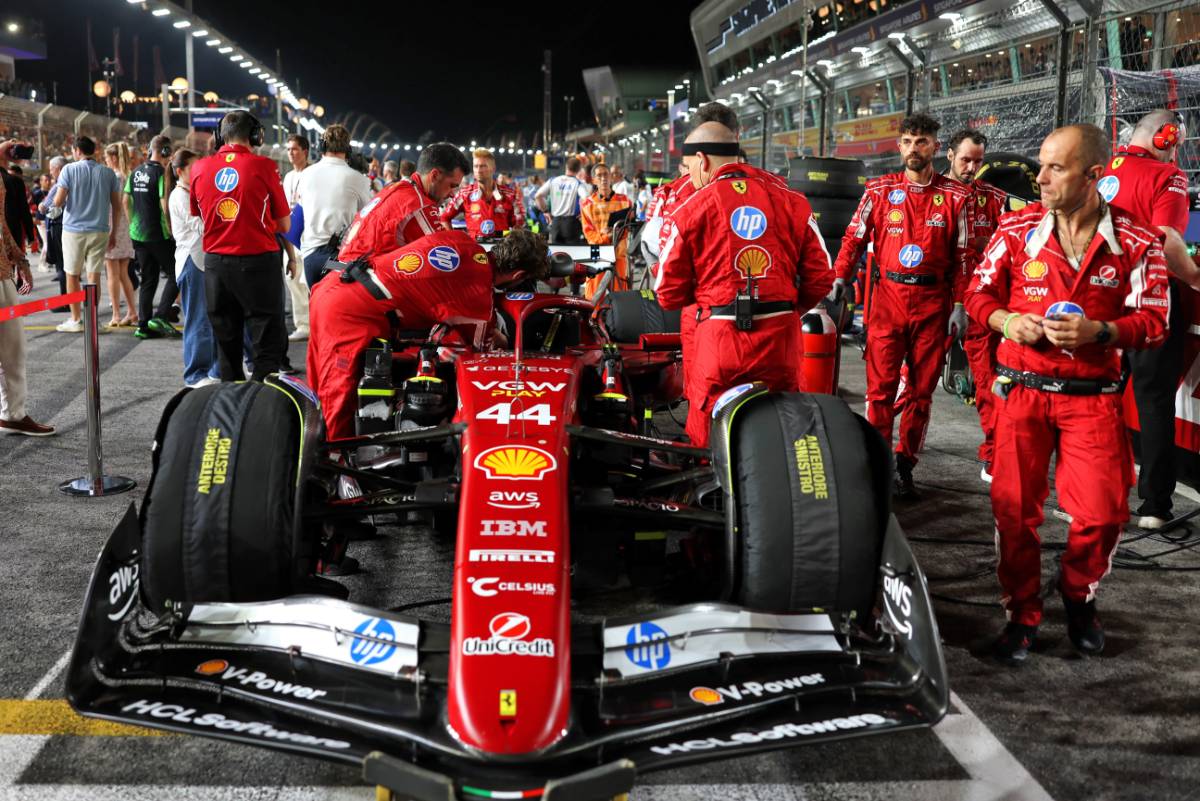
Charles Leclerc and Lewis Hamilton managed only P6 and P8 respectively, their challenge crippled by severe brake issues and a car that faded just when it mattered most.
Vasseur’s post-race remarks painted a grim picture of a team grappling with its own limitations, unable to harness the raw speed shown in fleeting moments of brilliance.
A Promising Start, A Familiar Collapse
The team’s pace in Friday practice hinted at a competitive edge, a fleeting glimpse of what could be. Yet, as the weekend progressed, that promise crumbled.
Qualifying left Leclerc in P7 and Hamilton in P6, a lackluster grid position that set the tone for a grueling race.
“What is mega frustrating is that the last two weekends we came in... Baku and then Singapore. At the beginning of the weekend, the pace was there,” Vasseur lamented.
The team’s clear inability to carry early momentum into race day has become a recurring nightmare, one that Vasseur can no longer ignore.
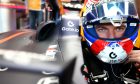
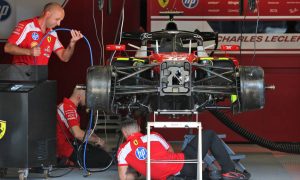
The race itself was a study in frustration. Brake overheating plagued both drivers from as early as Lap 2 in the 62-lap event, forcing them into a defensive, energy-sapping strategy.
“Very early in the race we asked Charles to do a lift and coast,” Vasseur revealed. “It’s not just a matter of doing a lift and coast when you’re losing a little bit at the end of the straight. It’s also to find the right braking point.”
The constant need to adjust brake balance disrupted the drivers’ rhythm, eroding their confidence and costing them precious time.
“In all the races that we were a bit more, a bit less, a bit more, a bit less, a bit more on the rear, a bit more on the front. You had to change the brake balance.
“At the end, you lose probably more on the reference for you when you are driving the car than on the pure potential,” Vasseur explained, pinpointing the technical quagmire that ensnared his team.
A Glimmer of Pace, Overshadowed by Failure
By the race’s end, Leclerc limped to P6, while Hamilton, battling severe brake issues, finished a disheartening P8 after a post-race penalty for cutting corners in a desperate bid to stay competitive.
A late pit stop for fresh soft tyres allowed Hamilton to claim the fastest lap, a hollow feat in Vasseur’s eyes.
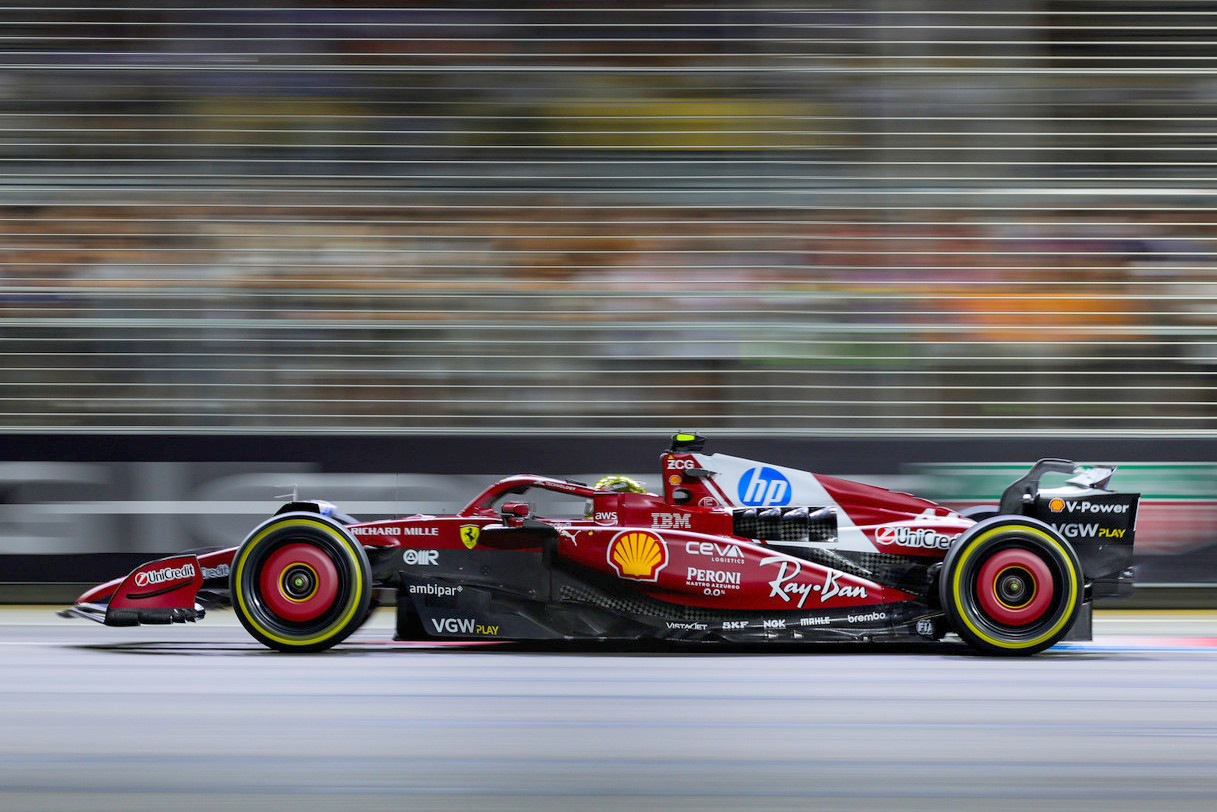
“It’s a fake fastest lap for me. We are not in the same situation. What I can say is that when he was pushing, the pace was there,” he said.
“The gap with the cars in front of him was coherent with the delta that you have on the tyres. But nothing more than this.
“It’s also frustrating for us, because we had the feeling that when we did three laps in a row without saving, that the pace was not bad.”
Read also:
Yet, these fleeting moments of speed only deepened the sting of Ferrari’s broader struggles.
“We didn’t extract the best from the car, I think, honestly,” Vasseur admitted, his candor laying bare the team’s shortcomings.
“We are doing 29.7s in Q1 yesterday and 29.7s in Q3, but we're are struggling at the end of all the races not to be at the back foot.
“For the team, it’s mega frustrating. The team and drivers are for all of us, because we are not pushing [because of the brakes]. At the end of the day, we are putting so much effort to be there, that when you have to do all the races on the backfoot, it’s not good.”
As Ferrari retreats from Marina Bay, Vasseur’s frustration is palpable, a reflection of a team caught in a cycle of hope and heartbreak.
Without a solution to their persistent issues, the Scuderia risks fading further into the shadows, their early promise nothing more than a cruel mirage in the unforgiving world of Formula 1.
Keep up to date with all the F1 news via X and Facebook