

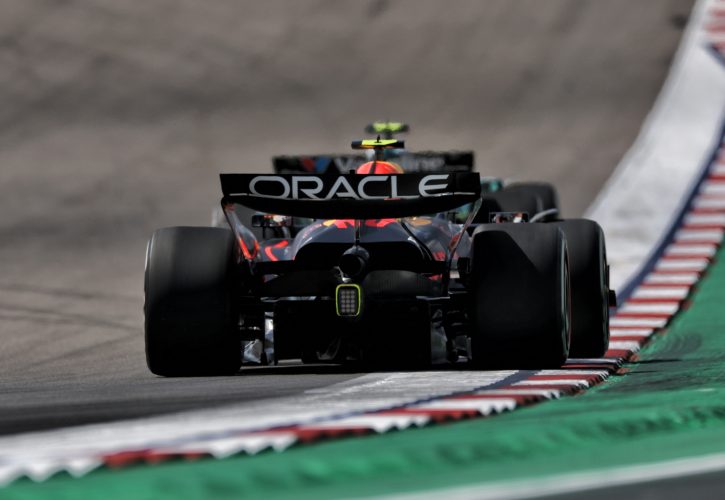


The Circuit of the Americas in Austin stands as one of the most technically demanding tracks on the Formula 1 calendar, blending high-speed sweeps, technical low-speed sections, and dramatic elevation changes into a 5.513-kilometer layout with 20 corners.
As such, COTA demands a medium-high downforce balance: teams need enough aero to carry speed through the long, flowing high-load corners – Turns 3–6 especially – while keeping drag low enough for the long uphill straight to the hairpin.
The track exposes cars to sudden balance swings caused by bumps, kerbs, changing wind and surface grip – meaning ride height, underfloor performance and aero sensitivity to yaw are as important as wing angles.
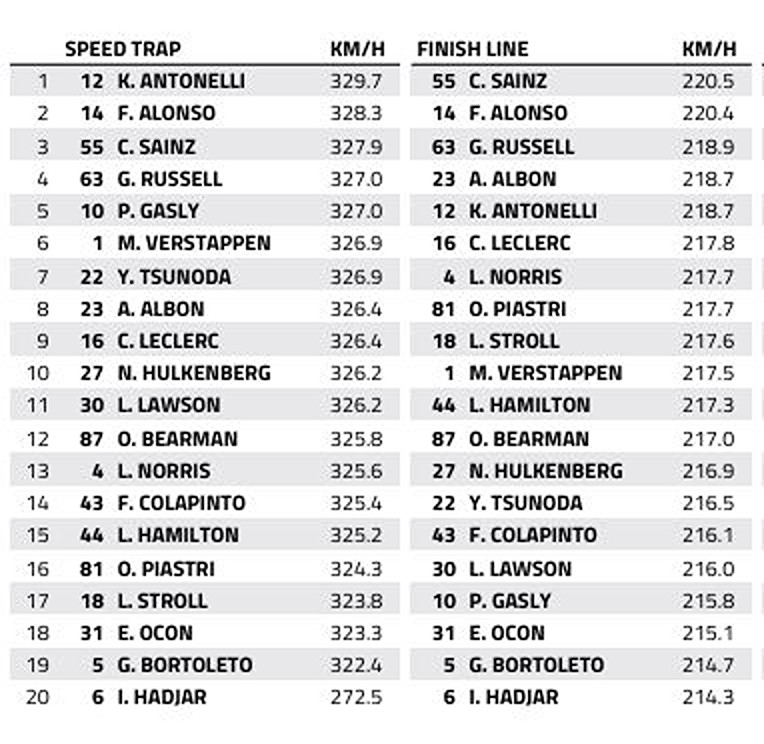
Kimi Antonelli’s Mercedes breezed past the speed trap located between Turns 11 and 12, a crucial DRS zone, with a maximum velocity of 329.7 km/h, but the Italian qualified only 7th, three position behind his teammate George Russell who was slower on the straight by almost 3 km/h.
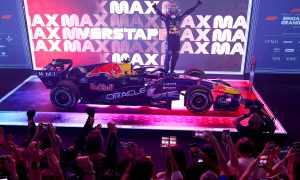
Max Verstappen’s pole in qualifying – and upper-tier top speed – clearly highlighted Red Bull’s aero efficiency and balance in Austin, the RB21 confirming its recent progress and status as the class of the field, ahead of McLaren.
While Verstappen must be considered as the clear favourite for Sunday’s race, the day’s weather forecast is calling for a 180° change in the wind direction, something that could significantly upset – one way or the other – a car’s performance.
Furthermore, tyre degradation will inevitably come into play in the 56-lap event, and all eyes will be on McLaren whose MCL39 typically spares its rubber. But will it be enough for Lando Norris and Oscar Piastri – who will start respectively P2 and P6 – to beat Verstappen to the checkered flag?
Interestingly, the polesitter hasn’t won at COTA since 2021 – but on that occasion it was Verstappen.
With elevated temperatures expected on Sunday, Pirelli’s hard tyre is a valid strategic option, given that the performance gap to the medium is less than expected.
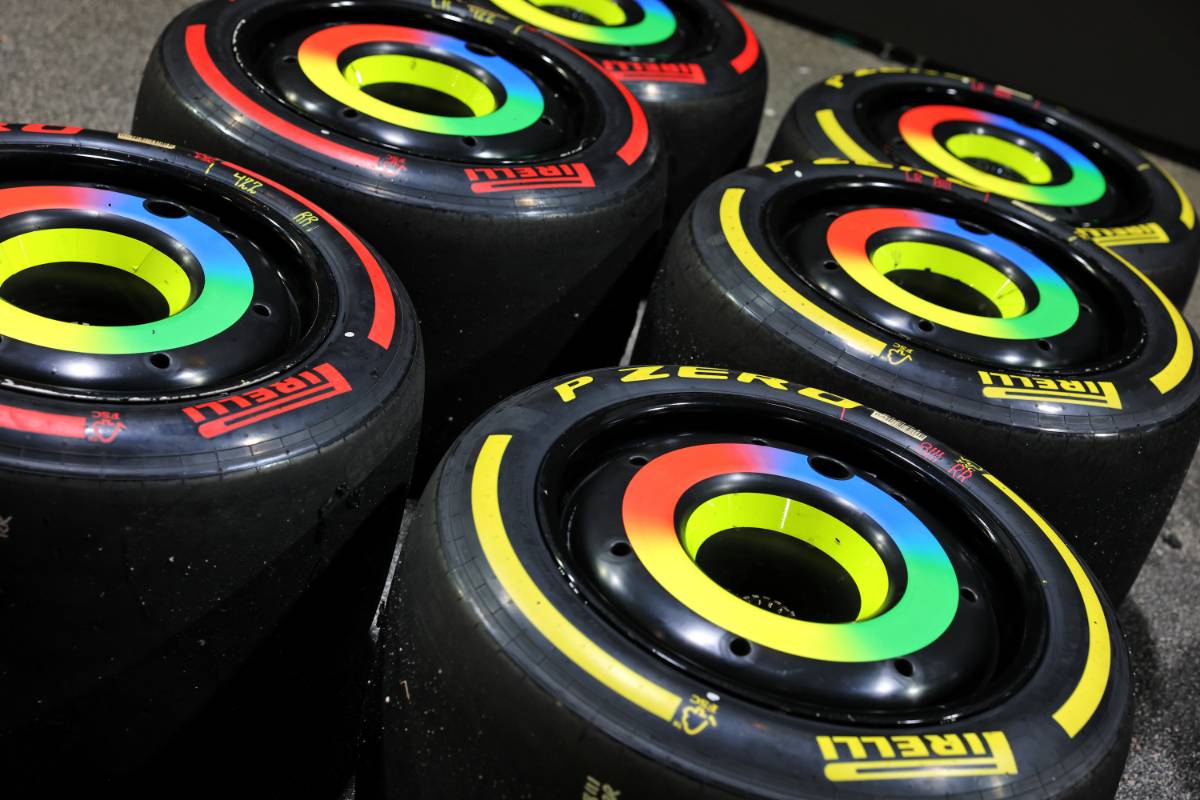
But looking at all the available compounds, a number of different strategies are possible with no significant disadvantages: all of which are close in terms of overall race time, according to Pirelli.
A medium-to-hard one stopper is possible, while a medium-to-soft would require extremely accurate tyre management and might risk compromising performance.
But a two-stopper is equally effective using soft and medium: starting on the soft and then swapping to the C3 on between laps 12 and 18.
The teams can then decide whether or not to run the medium again for the final stint, or stretch the middle stint and use the extra speed of the soft in the final laps.
Keep up to date with all the F1 news via X and Facebook