

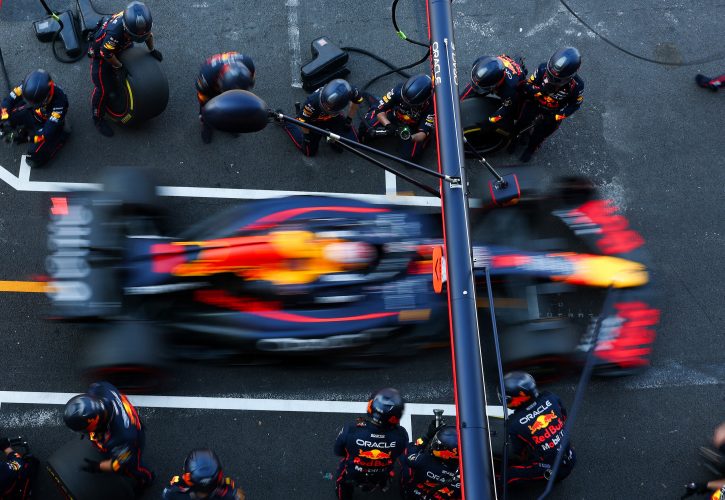


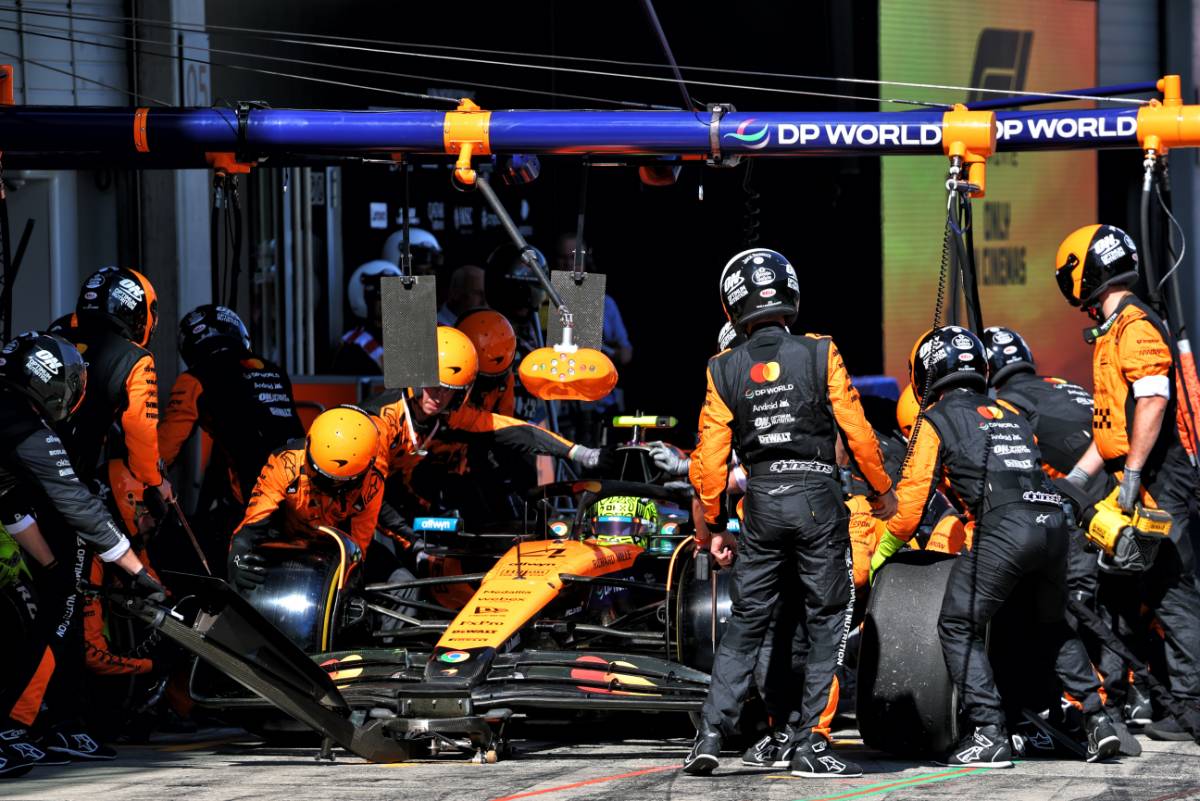
A proposal to enforce two pitstops in F1 races next season was on the agenda of the final F1 Commission meeting of 2025, but the issue remained unresolved.
The meeting was held on Friday at the FIA headquarters in London, under the chairmanship of FIA single-seater director Nikolas Tombazis.
Although the idea – trialed at this year’s Monaco Grand Prix with mixed results – has gained traction in recent weeks following a series of races with limited strategic variation, it continues to divide teams and experts alike.
Supporters argue that forcing two pitstops would add unpredictability and excitement, while critics warn it could lead to uniform strategies, reducing the very variety it aims to create.
Proposal Divides Teams
James Vowles, Williams team principal and former head of strategy at Mercedes, voiced his concerns on the two-pitstop mandate during the Brazil Grand Prix weekend:
“My biggest worry would be that we end up, all of us, doing the same strategy to within a lap of each other. Because you’re forced that way because of the two stops.”
Pirelli, F1’s official tyre supplier, has advocated for alternative measures to encourage strategic diversity rather than mandating two stops. The company recently experimented with introducing a “step” between harder-compound tyres at the United States and Mexico Grands Prix, intended to make a one-stop race less competitive.
Despite this, teams were still able to complete one-stop strategies without needing the harder tyres.
In a statement following the meeting, the FIA confirmed:
“A proposal to explore mandatory two pitstops for grands prix was discussed along with adjustments to tyre specifications, tyre-life limits and the use of three compounds during the race. The discussion centred on feedback on analysis and simulations from teams and Pirelli. No changes were presently agreed, but it was agreed that talks on this topic would continue during the 2026 season.”
Minimum Livery Coverage Introduced
Beyond pitstop strategies, the F1 Commission addressed the visual presentation of cars on track. Teams have increasingly reduced paint and stickers to save weight, leaving large sections of bare carbon fiber visible.
This has raised concerns about the impact on TV audiences and brand visibility.
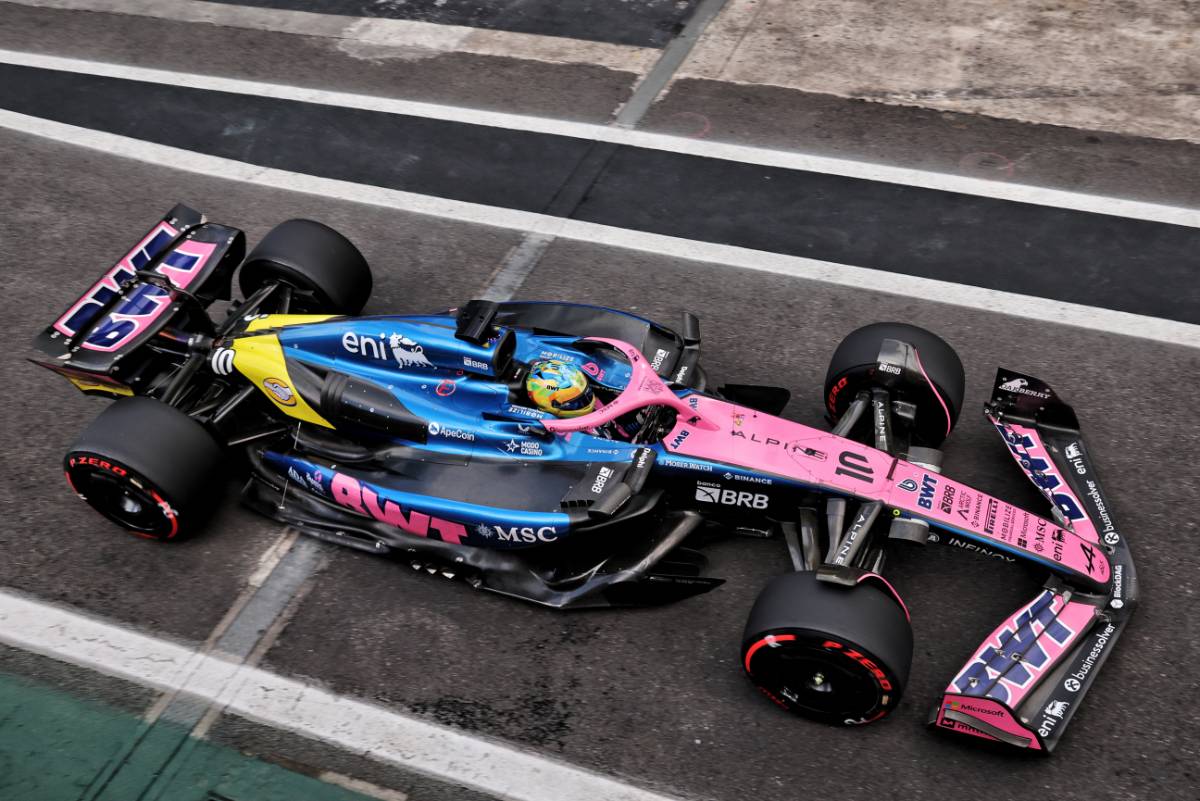
The FIA therefore announced a new rule to ensure more visually distinct liveries:
“Following discussions with the Technical Advisory Committee, the topic of a minimum surface requirement limit for car liveries in 2026 was discussed.
“It was agreed by Commission representatives that a minimum of 55% of surface area (when viewed from the side and above) must be covered by painted or stickered liveries as opposed to bare carbon fibre surfaces. The objective of this measure is to increase visual differentiation between cars."
With the 2026 season approaching, teams will continue to monitor developments on the mandatory two-stop proposal, while also preparing to comply with the new livery requirements aimed at enhancing the sport’s spectacle.
Keep up to date with all the F1 news via X and Facebook