



The dawn of Formula 1’s new technical era in 2026 is already casting a long shadow over the paddock, and for Ferrari, the early signals emerging from Maranello are cause for cautious celebration.
As the sport prepares for a radical shift in engine regulations, reports from Italy suggest that Ferrari’s next-generation power unit is hitting its developmental milestones with encouraging precision.
For Lewis Hamilton, that matters enormously. After a challenging first season in red in 2025, the seven-time world champion enters 2026 knowing that time, expectation, and legacy are all converging.
Ferrari’s apparent engine progress doesn’t guarantee success – far from it – but it does suggest that the seven-time world champion and teammate Charles Leclerc may finally have the mechanical platform they need to fight where they belong.
A Power Unit Built with Intent
Unlike some rivals, Ferrari committed early to its 2026 programme, prioritising development time over short-term gains. That decision now appears to be bearing fruit.
While no manufacturer has yet laid its cards fully on the table, early bench testing of Ferrari’s hybrid components is reportedly producing encouraging numbers. Energy recovery targets have been met, and in some areas exceeded, giving engineers confidence that the foundations of the 2026 project are solid. That’s a significant step
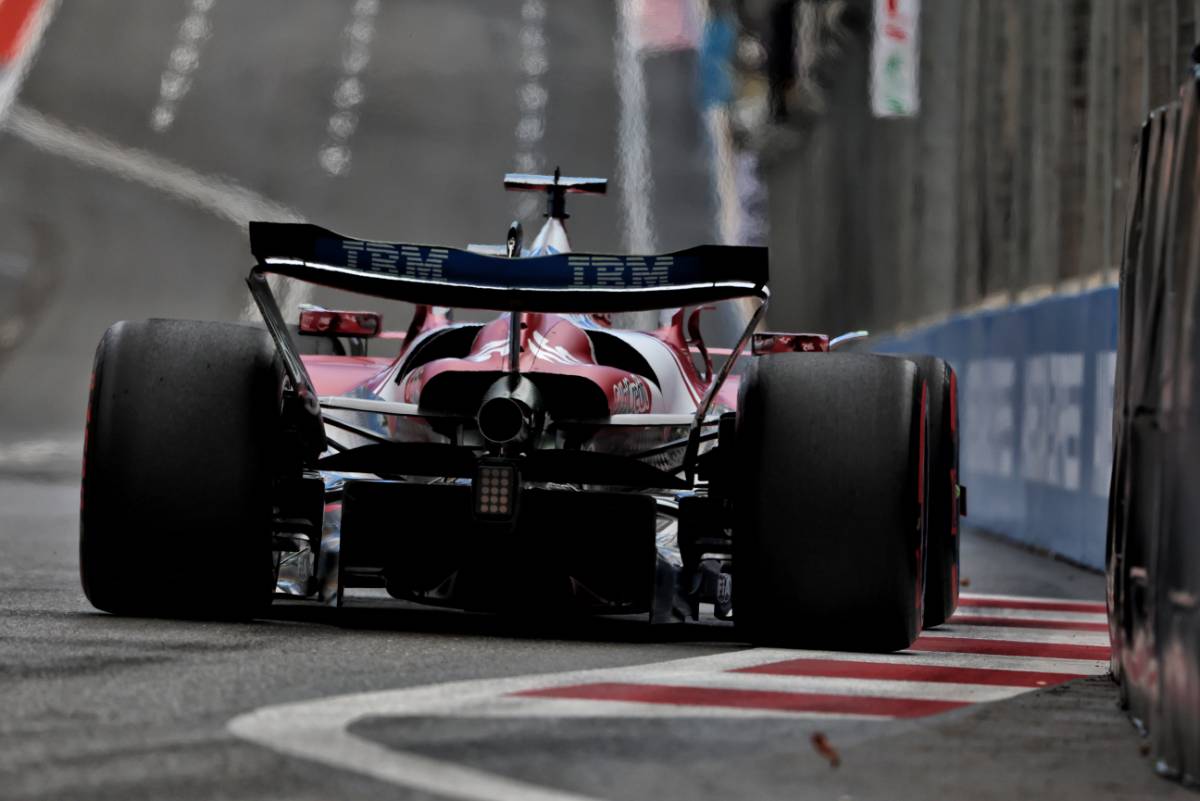
One of the major challenges of the 2026 rules is the increased reliance on electrical power, with roughly half of total output coming from the battery. Ferrari’s ability to meet its energy recovery targets suggests it has avoided some of the pitfalls that could plague competitors early in the cycle.
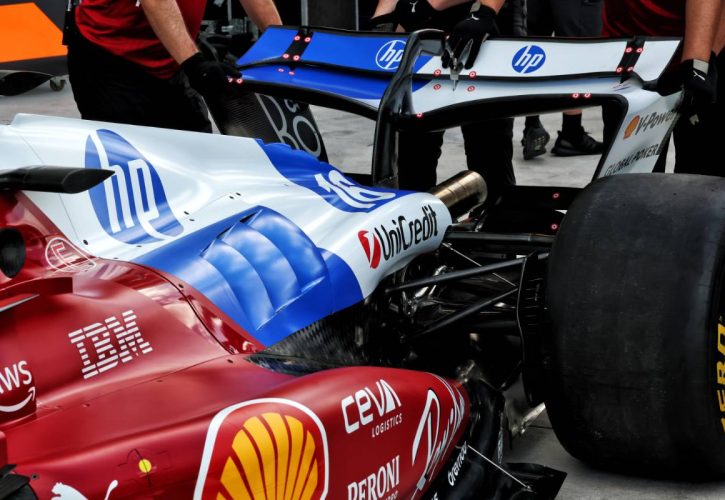
Furthermore, it appears that the power units global architecture has allowed the car's designers to push for more aerodynamically efficient bodywork solutions.
While Ferrari cannot yet measure itself directly against rivals – Mercedes is widely tipped to have a power advantage – the consistency of positive signals from Maranello has not gone unnoticed.
Internally, there is growing belief that the power unit deficiencies that limited the team’s performance in 2025 are being addressed head-on.
The result is cautious confidence rather than premature celebration. Ferrari knows all too well how quickly early promise can unravel once cars hit the track together. Still, a well-performing hybrid system is one of the most important boxes to tick heading into a regulation overhaul – and Ferrari appears to have ticked it.
Hamilton’s Influence and Opportunity
Hamilton’s role in this progress is more nuanced. Throughout 2025, the Briton worked behind the scenes to influence Ferrari’s internal processes, submitting detailed feedback, proposals, and data-driven suggestions aimed at refining performance and operational efficiency.
At the time, those efforts had limited visible impact. Ferrari largely stayed its course, and Hamilton endured a season that fell short of expectations. But signs now suggest that the Scuderia is listening more closely, as it should – not just to Hamilton, but also to Leclerc – as it reshapes its approach for 2026.
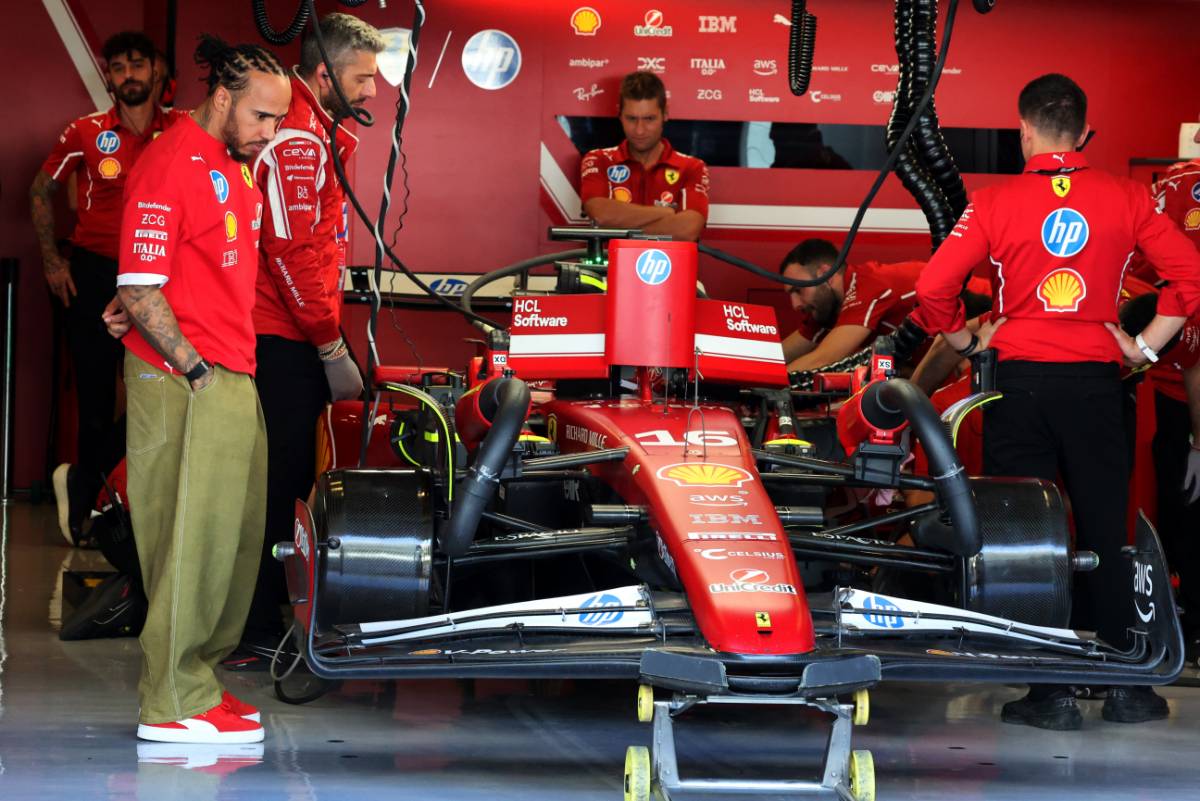
Strategic adjustments within the team point to a more driver-responsive development philosophy. Combined with a refined chassis concept, updated suspension systems, and a power unit showing genuine promise, Ferrari is assembling a package that could finally align with its drivers’ demands.
Yet this is where optimism meets reality. As far as Hamilton is concerned, the Briton will need to deliver. A full season at Ferrari means excuses are in short supply, and adaptation is no longer optional.
The tools may be improving, but converting that into results will require the same precision, consistency, and hunger that defined his championship years.
High Stakes for Ferrari and Hamilton
As 2026 approaches, scrutiny will intensify. Fans, rivals, and analysts alike will be watching Ferrari’s every move, eager to see whether this new-era power unit and chassis can translate promise into performance. For Hamilton, the stakes are uniquely personal.
A successful season could redefine his Ferrari chapter and elevate his legacy to near-mythical status in the sport’s most iconic team. Another year of frustration, however, would raise uncomfortable questions about whether this partnership can ever truly deliver on its ambition.
For now, Ferrari offers hope – not headlines. The numbers look good, the direction feels right, and the preparation has been thorough. But Formula 1 has a long memory for early optimism undone by cold reality.
If Ferrari’s next-generation power unit performs as expected, Lewis Hamilton may finally have the machinery worthy of one last, genuine title push.
Whether that potential becomes something more will define one of the most pivotal seasons of his extraordinary career.
Keep up to date with all the F1 news via X and Facebook