



Andrea Stella is not one for grand proclamations after a handful of early laps – but even the McLaren team principal can sense when a rival has arrived at a new technical summit.
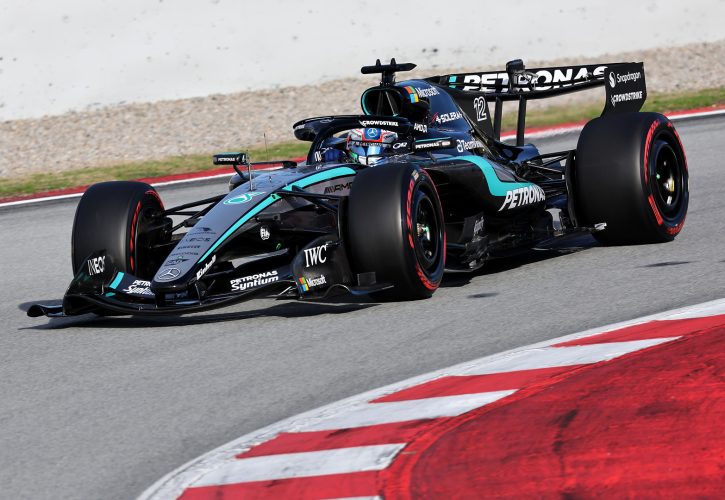
After Formula 1’s first serious 2026 running in Barcelona, Stella emerged with a message that was equal parts respectful and cautionary: Mercedes, he believes, has “raised the bar.”
The Brackley squad’s eye-catching mileage and early pace in Spain immediately stirred paddock whispers that the new era might begin with a silver-coloured advantage.
Yet Stella’s tone was less alarmist and more analytical – the language of a man peering into a season that promises to evolve as rapidly as the technology itself.
Mercedes Sets the Early Benchmark
Barcelona’s shakedown-style test was never meant to be definitive. Engines were not pushed to their limits, energy deployment strategies were kept guarded, and teams spent more time gathering data than chasing lap times.
Still, first impressions matter in Formula 1, and Mercedes left one.
“It is clear that there are at least three competitors – Mercedes, Ferrari and Red Bull – who have all got off to a good start,” Stella said, quoted by The Race.
“In particular, the Brackley team has definitely raised the bar, and we will have to work hard to do the same.”
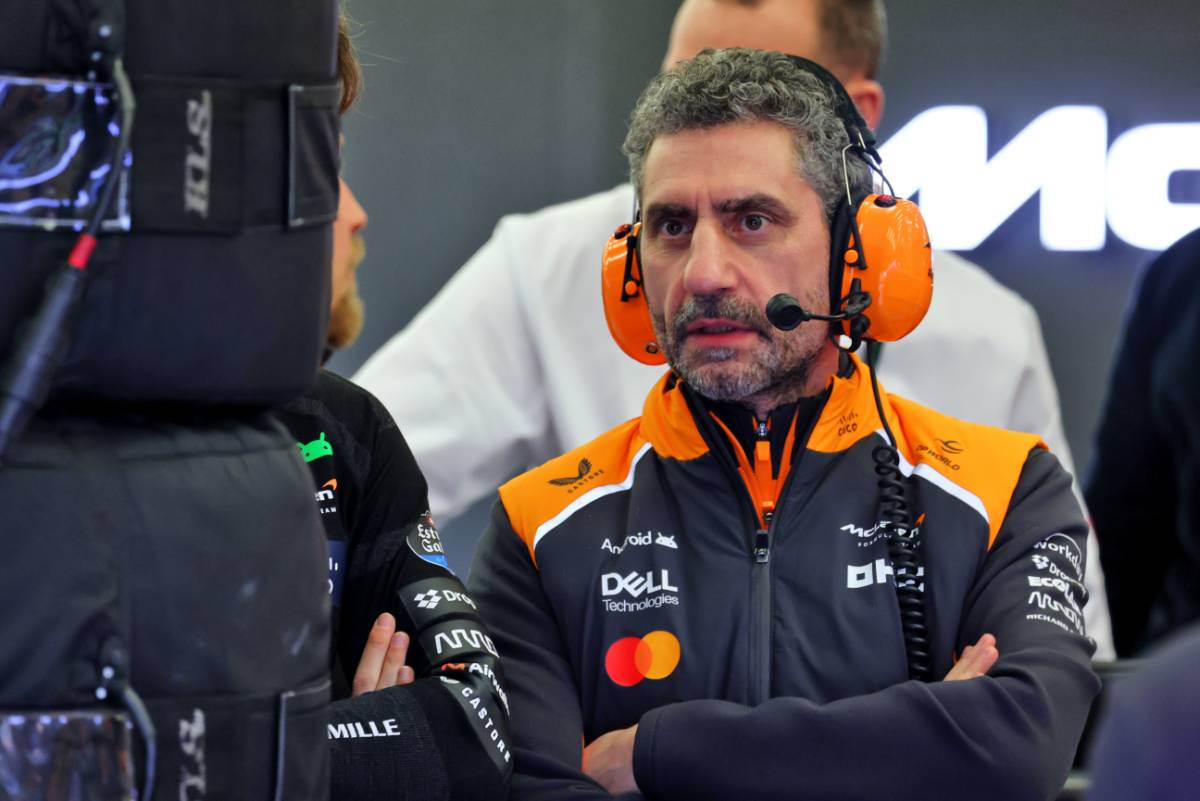
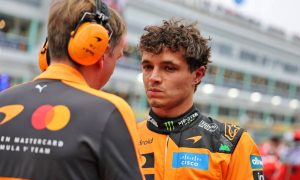
McLaren team principal Andrea Stella.
For McLaren, the acknowledgement is both a compliment to Mercedes and a declaration of intent. The reigning champion outfit knows the rules reset is not just a fresh chapter – it is an entirely new book, written with smaller cars, radically revised aerodynamics and power units that split energy between combustion and electricity like never before.
Yet Stella’s early verdict was not one of looming domination. If anything, his read of the competitive landscape was unexpectedly tight.
“The fact that the three teams I mentioned are equipped with three different power units is a first indication that there may not be extremely marked differences in terms of absolute performance, at least as far as some of the PU suppliers are concerned,” noted the Italian.
A Steep Learning Curve for Everyone
The Barcelona running took place against a swirl of speculation that Mercedes may have found a particularly clever interpretation of the new engine regulations – whispers of tenths of a second gained through legal ingenuity.
Stella, however, views the picture through a longer lens.
“Although these are very preliminary indications, I believe that one of the areas where there is great room for improvement is in exploiting the new power unit and all the options available to the driver,” he added.
“There is also a lot of potential to be extracted in terms of managing the variable aerodynamic configuration, referring to the alternation between corner and straight mode.”
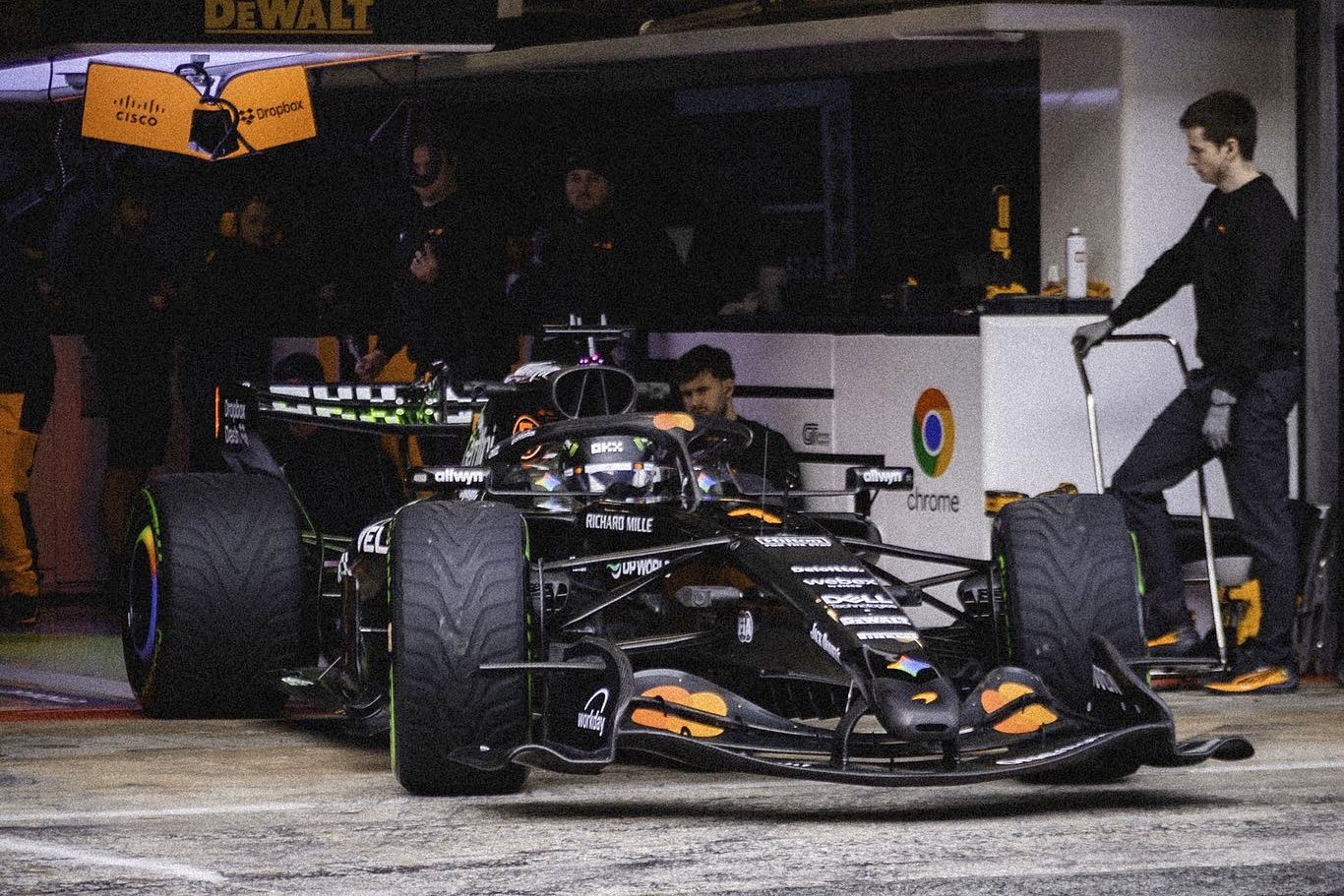
©McLaren
In other words, the raw machinery is only half the battle. The real contest may lie in how quickly teams learn to choreograph the intricate dance between energy recovery, deployment strategies and active aero modes – a technical symphony that drivers will need to conduct lap after lap.
“That said, it is obvious that this generation of single-seaters is at a very early stage of development: four years ago, when ground effect cars made their debut, we were in different circumstances because the power unit and tyres were essentially unchanged from the previous year,” Stella explained.
“More than ever before, this year it will be the ability of the teams and drivers to exploit the package at their disposal, as well as the ability to develop the car in the right direction, that will make the difference.
“In any case, what we see in the first part of the season in terms of the balance of power will almost certainly not be the same as what we see in the second part, precisely because the effects of car development in an early phase, such as the one we are experiencing now, can only be very significant.”
McLaren’s Own Work Ahead
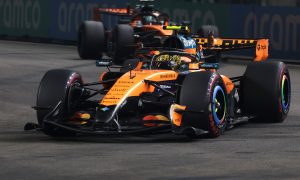
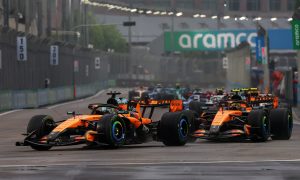
While Mercedes may have turned early heads, McLaren left Barcelona knowing its own homework stack is thick. The team ran fewer laps than planned and is still peeling back the layers of understanding on its new car.
“What we saw on the track was in line with expectations and, above all, with the simulations,” Stella said.
“What emerged clearly is that the learning curve is very steep for everyone – drivers and teams alike – which means that every lap teaches you something useful in terms of performance.
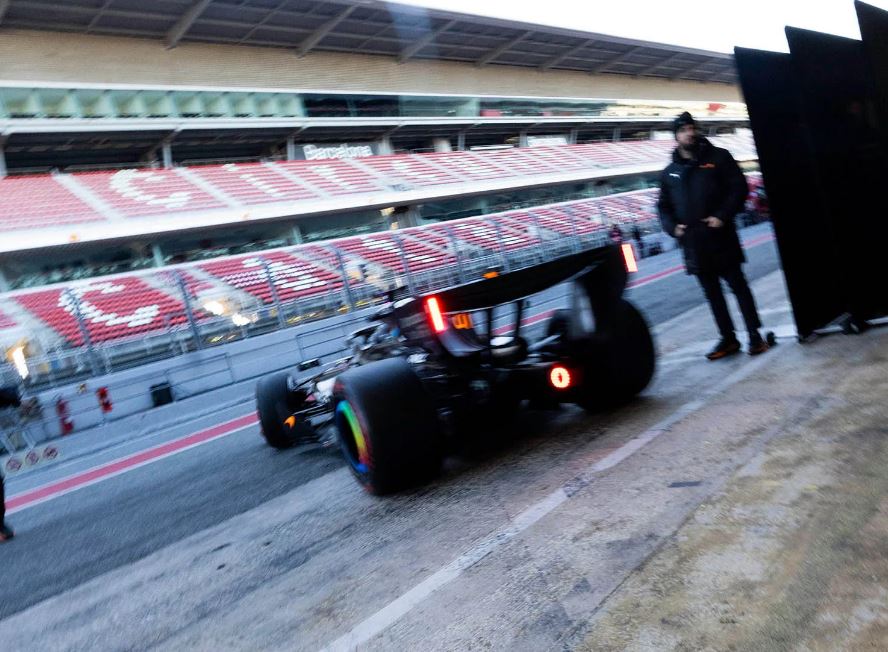
“It was natural to expect such a scenario, considering that these cars are totally new, from A to Z.
“We know that the MCL40 is a good starting point, but now we have to work hard to develop it and improve the overall performance of the package, both for the immediate future and to further define the development lines during the season.”
The message from Stella is clear: Mercedes may have fired the first warning shot of 2026, but this is a marathon disguised as a sprint. The bar has been raised — yet the ladder of development has only just been placed against the wall.
Keep up to date with all the F1 news via X and Facebook