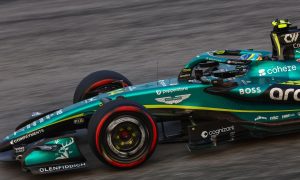





Aston Martin’s first F1 car designed under the guidance of Adrian Newey made a belated but striking debut on the Barcelona tarmac last week, and Sky Sports F1 analyst Bernie Collins couldn’t hide her admiration.
Having previously served as a strategist for the Silverstone outfit, Collins offered a detailed look at the AMR26 and what makes it stand out in Formula 1’s new technical era.
For a team that has long relied on Mercedes for its full drivetrain, the AMR26 is a declaration of independence. Aston Martin has finally moved to in-house production for its gearbox and hydraulics, a transition Collins identifies as a Herculean feat for the engineering department.
“What a mammoth undertaking to get that car out,” she told Sky F1, referencing the team’s adoption of the Honda power unit. “New engine, new gearbox – and we’ve talked already in the week about Aston Martin not having done their own gearbox in many, many years. They’ve brought it all together.”
Aero Innovation Front and Centre
Given the late roll-out of Aston’s new-era car – with only Fernando Alonso completing a full day of testing – Collins’ attention was firmly on the AMR26’s aerodynamics.
“We focus a lot when we look at a car on the top surface,” Collins said. “But it’s actually the undersurface of the car that has to generate a lot of the downforce.
“And what they’re doing with this nose… The top is obviously cutting through the air, if you like, but that bottom chamfered profile is what is controlling how the air breaks away or any stall in the air off the front wing.
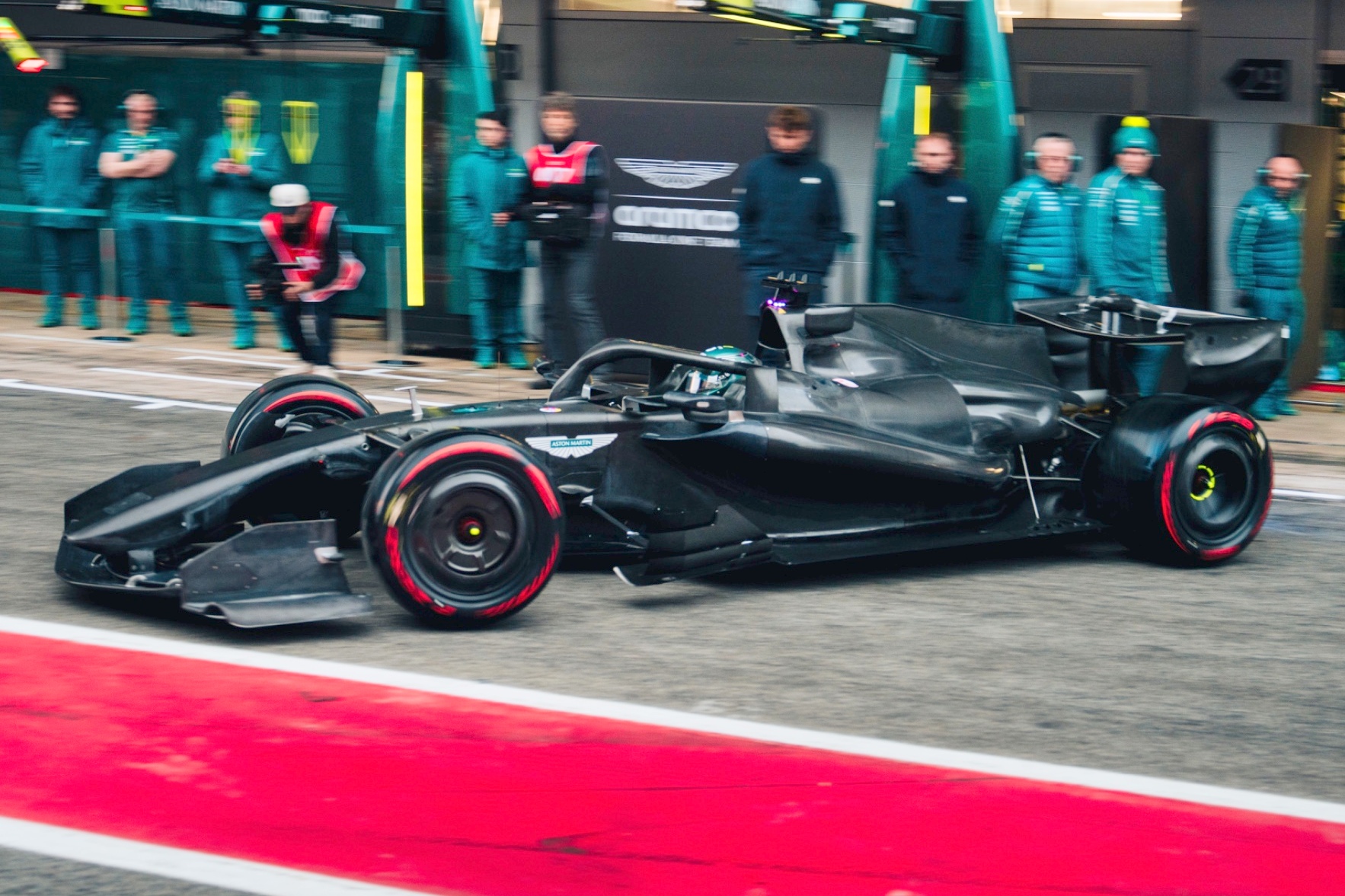
“You want to deliver air further back the car with as little disturbance as possible. You want to be able to use that air to generate more downforce further back on the car.
"And this very tapered profile initially on the front wing – and then obviously it gets much more aggressive later on – will be to try and keep that air in contact with the bottom of the car as much as possible.”
Collins also highlighted Newey’s signature approach to suspension.
“Adrian Newey, the pure aerodynamicist, is pushing for downforce,” she said.
“He’s positioning the suspension in a way that is generating downforce or reducing drag – one of those two is his main aim – and not maybe focused as much on the cornering performance from a mechanical side.
“And he’s forcing the mechanical suspension into somewhere that other designers might not be happy to go.”
The Floor and Airbox: Engineering at the Extremes
Turning to the car’s floor and airbox, Collins explained their significance under the new regulations.
“The floor in these will also be the one that’s generating the majority of the downforce. You can start to see the rake that we’re getting back into these cars,” she explained.
“You can see the back of the car noticeably higher than the front – which is what we talk about when we talk about rake in the car – a bit nose-down. That’s really nice to see here.
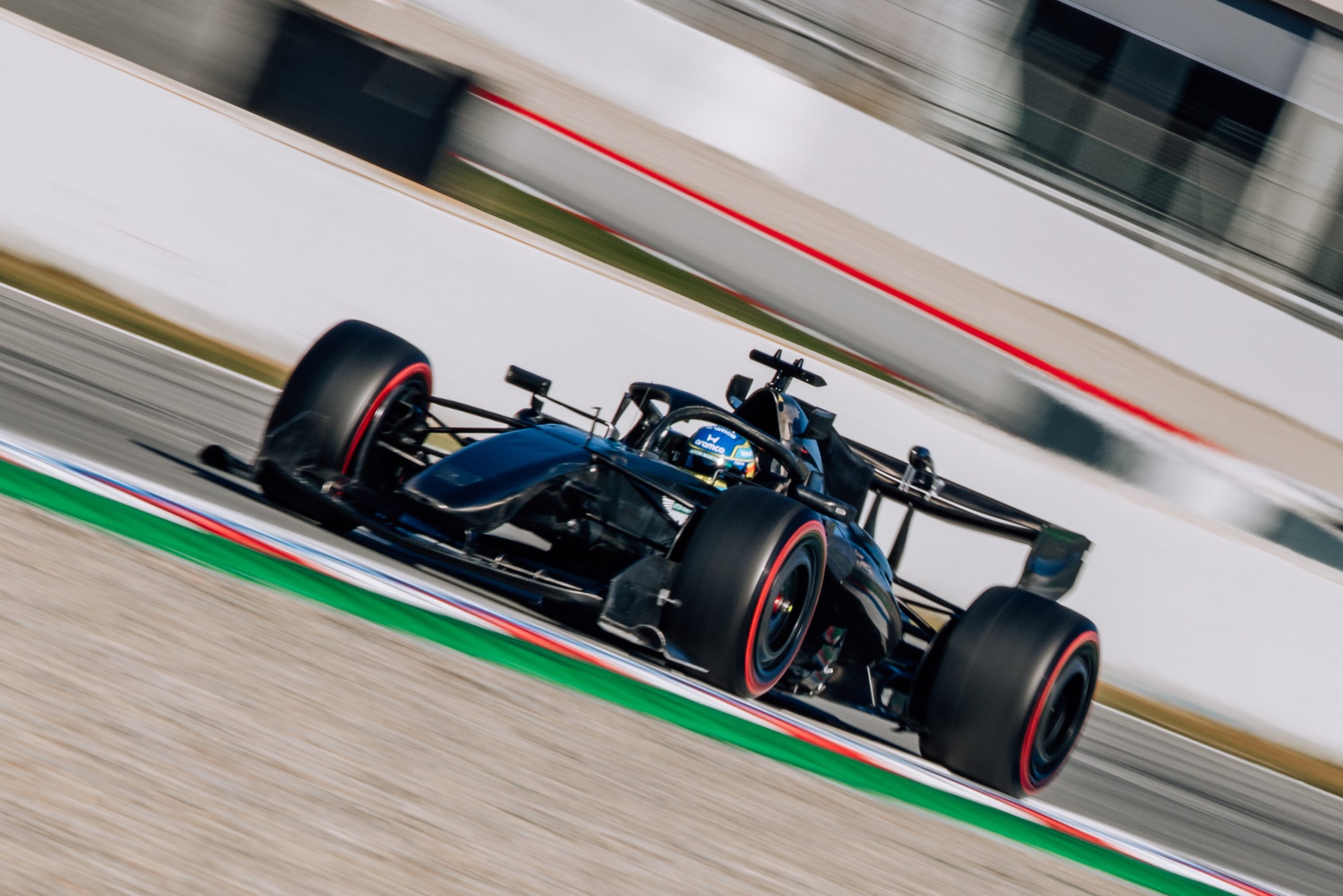
“But all of these little vanes that were produced around the front wing or around that airbox, they’re all on purpose. They’ve all got a method of flowing the air to the back, down to the diffuser, trying to get it onto that rear wing, trying to get it onto the floor of the car.
“The airbox in this is very different to some of the others that we’ve seen — it was much, much bigger. And that is one of the beauties of having your own engine manufacturer and your own gearbox: you can control those sort of air intakes as you wish to with the overall design of the car.”
Collins’ first impressions underline that while the AMR26 may still have much to prove in Melbourne, its design ambition is clear.
With Adrian Newey’s expertise and Lawrence Stroll’s investment behind it, Aston Martin’s new-era contender is already turning heads — even if its real performance remains to be tested on race day.
Keep up to date with all the F1 news via X and Facebook