





McLaren’s new-era MCL40 may have only just stretched its legs in Barcelona, but team principal Andrea Stella already sees a treasure map forming – and the X marks are glowing bright on two particular areas: the power unit and the expanding arsenal of driver-controlled tools.
After three busy days of running last week at the Circuit de Barcelona-Catalunya, the MCL40 has gone from a digital concept to a roaring reality.
With 291 laps logged by Lando Norris and Oscar Piastri, McLaren left Spain not with fireworks, but with something arguably more valuable in Formula 1’s ever-tight margins: clarity.
Stella described the outing as an essential reality check for a car born under an all-new regulatory framework, where guesswork quickly gives way to hard data and stopwatch truths.
"It was a very useful three days," he said in an in-house interview published on the McLaren website.
“We were able to collect a large amount of data and begin to understand how the new generation of single-seaters behave in reality on track and no longer solely on simulators."
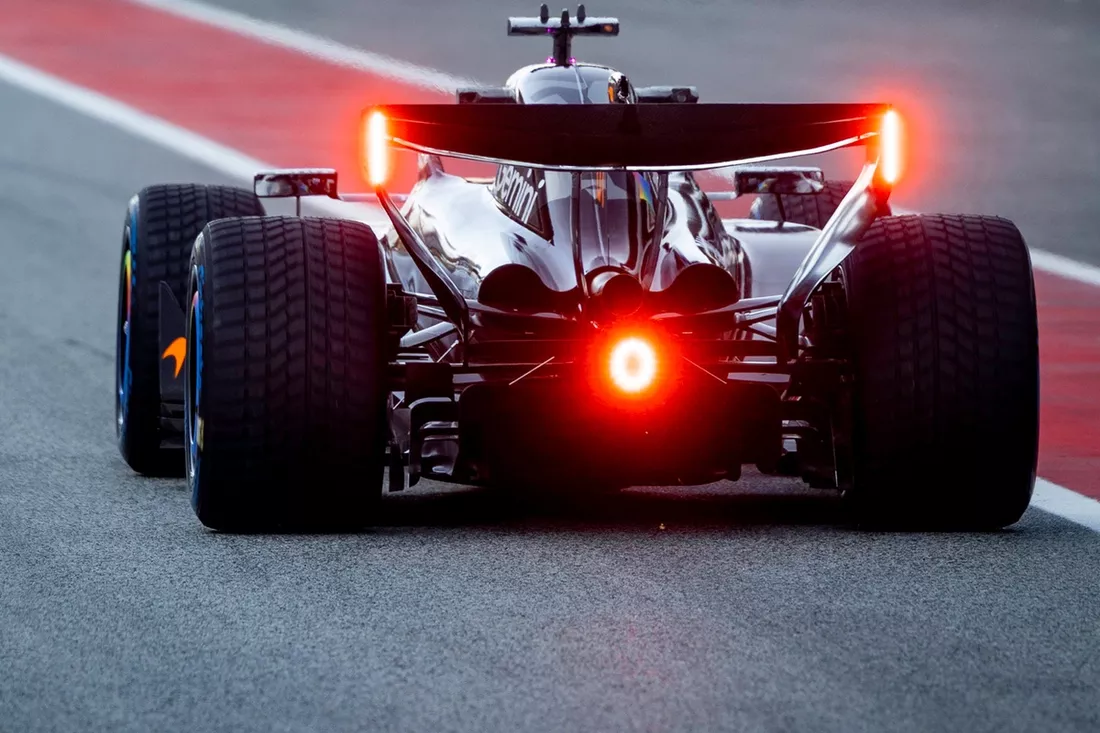
©McLaren
For a sport that lives and dies by simulation accuracy, those words carry weight. In recent seasons, several teams were haunted by mismatches between virtual predictions and real-world performance.
McLaren, at least for now, appears to have avoided that particular gremlin.
A Steep Learning Curve – and That’s Good News
The Barcelona test wasn’t about chasing lap records; it was about building a foundation. Stella emphasized that the MCL40 behaved largely as expected, which in Formula 1 terms is the equivalent of finding gold under your own garage floor.
"What we saw on the track was in line with expectations and, above all, with the simulations,” he said.
“What emerged clearly is that the learning curve is very steep for everyone – drivers and teams alike – which means that every lap teaches you something useful in terms of performance.
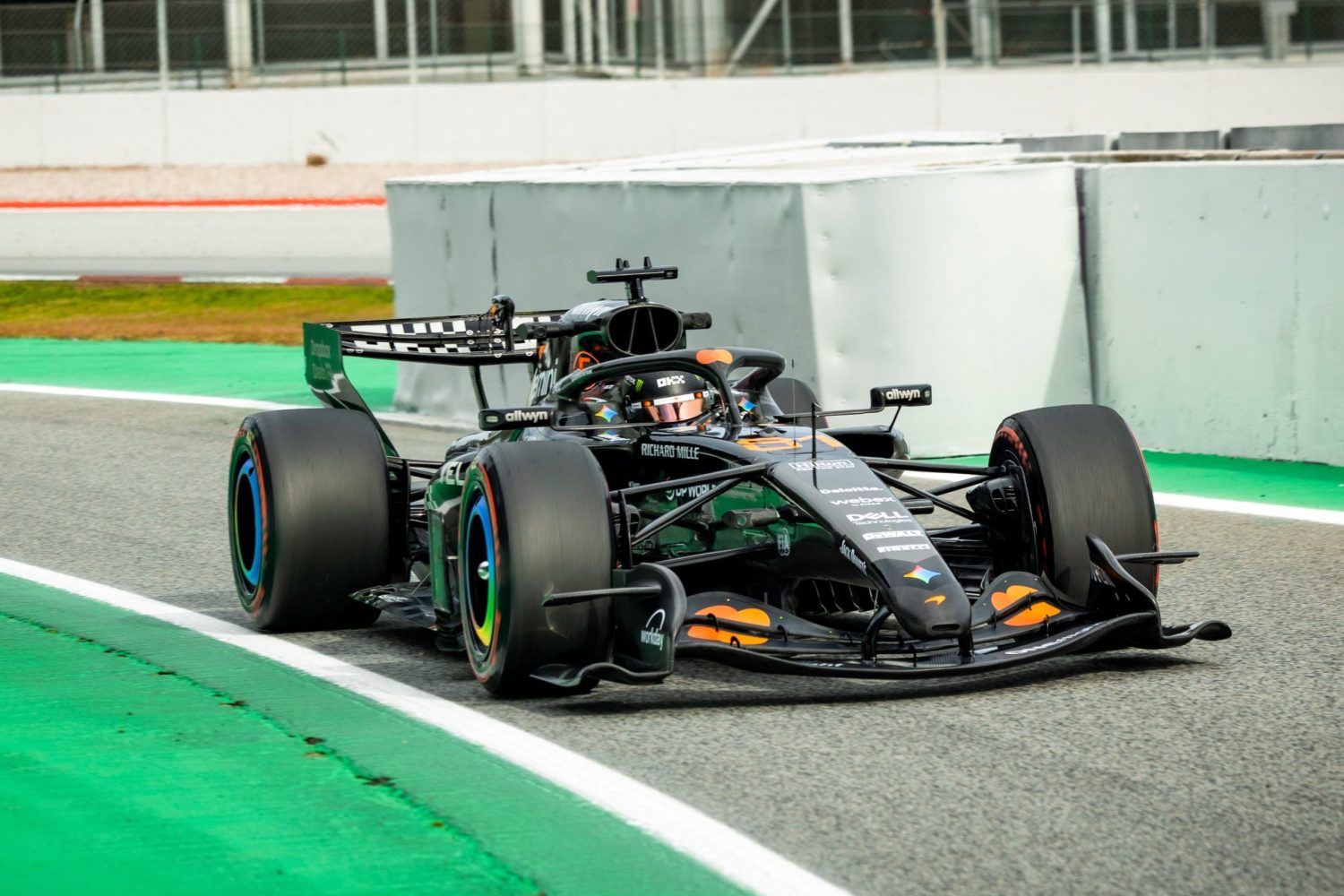
©McLaren
"After all, it was natural to expect such a scenario, considering that these cars are totally new, from A to Z.
“We know that the MCL40 is a good starting point, but now we have to work hard to develop it and, through our knowledge of the car, improve the overall performance of the package, both for the immediate future and to further define the development lines during the season."
In other words, the car isn’t finished – it’s merely the first draft of a long novel. And every lap adds another paragraph.
Power Units, Aero Modes and the Expanding Driver Toolbox
Where Stella’s eyes truly light up is in the growing complexity of what drivers can control from the cockpit. Modern F1 cars are no longer just machines to be driven; they’re systems to be managed, optimized and, at times, tamed.
"Although these are very preliminary indications, I believe that one of the areas where there is great room for improvement is in exploiting the new power unit and all the options available to the driver,” he explained.
"There is also a lot of potential to be extracted in terms of managing the variable aerodynamic configuration, referring to the alternation between Corner and Straight Mode.
"That said, it is obvious that this generation of single-seaters is at a very early stage of development: four years ago, when ground effect cars made their debut, we were in different circumstances because the power unit and tyres were essentially unchanged from the previous year."
The message is clear: performance gains won’t just come from wind tunnels and factory upgrades. They’ll also come from human learning – from drivers mastering the ever-growing “toolbox” at their fingertips and engineers decoding how to unleash the full might of the new power units.
For McLaren, Barcelona was a mere very early opening chapter. And if Stella is right, the biggest leaps forward may not come from shiny new parts, but from unlocking the potential already hidden within the car – and the people driving it.
Keep up to date with all the F1 news via X and Facebook