

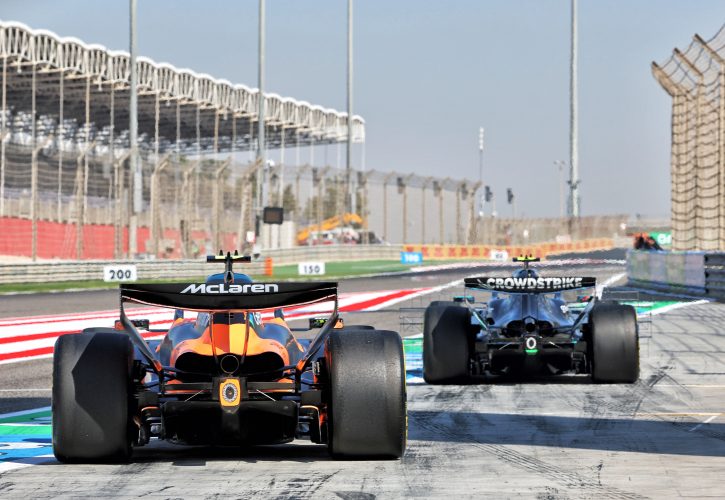


A simmering technical row in Formula 1 is hurtling toward a decisive moment, as the sport’s five engine manufacturers prepare to cast votes that could redraw the fine print of the 2026 power unit rulebook – and potentially impact the competitive balance in the process.
At the heart of the storm is a deceptively small number: the 16:1 engine compression ratio. Yet in a world where fractions of horsepower separate heroes from also-rans, that number has ignited suspicion, lobbying, and whispered accusations of clever engineering loopholes.
Under the 2026 regulations, compression ratios drop from 18:1 to 16:1. Traditionally, these figures are checked with engines cold and stationary – a static measurement taken at ambient temperature.
But rivals fear that once engines roar to life and metal components expand under heat, the real-world ratio could creep upward, delivering a hidden performance edge while still technically passing inspection.
A Ratio, a Rule, and a Brewing Storm
A bloc of manufacturers, widely believed to be spearheaded by Audi, has pressed the FIA to tighten the testing method.
Their concern? That Mercedes might legally exploit the temperature gap to unlock extra horsepower – a scenario that could ripple through its customer teams and tilt the grid before the championship even begins.
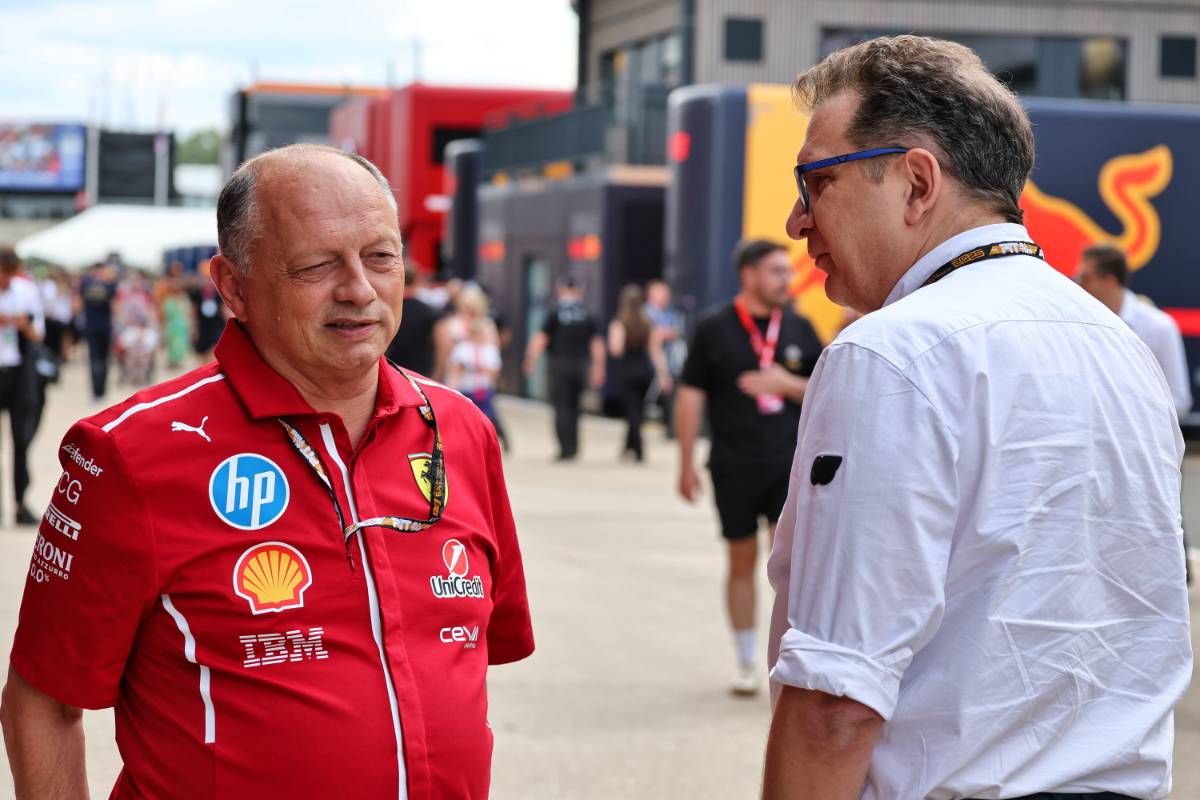
Ferrari team boss Fred Vasseur with Nikolas Tombazis, FIA Single Seater Director.
The proposed remedy is bold but surgical: introduce an additional mandatory “hot test” at 130°C starting 1 August 2026. Instead of emergency rule-making that could derail preparations, the matter now sits with the Power Unit Advisory Committee.
The five manufacturers – Mercedes, Ferrari, Audi, Red Bull Ford, and Honda – have been handed a 10-day online voting window. The decision requires a supermajority, alongside approval from the FIA and the commercial rights holder.
Behind the scenes, urgency is palpable. The governing body is keen to avoid launching a new era of regulations already clouded by controversy. While fears that Mercedes-powered cars could be barred from the Australian opener were widely dismissed as exaggeration, the noise around the issue has grown loud enough to demand closure.
Red Bull Calls for Clarity
Amid the technical chess match, Red Bull team boss Laurent Mekies has struck a tone of calm pragmatism. With the bulls embarking on their first in-house power unit project, the Frenchman insists the outcome matters less than the clarity it brings.
“We don't think it's noise, we think we must have clarity,” Mekies said. “We are not stressed if it goes left or if it goes right, but we must have clarity on what we can and what we cannot do.
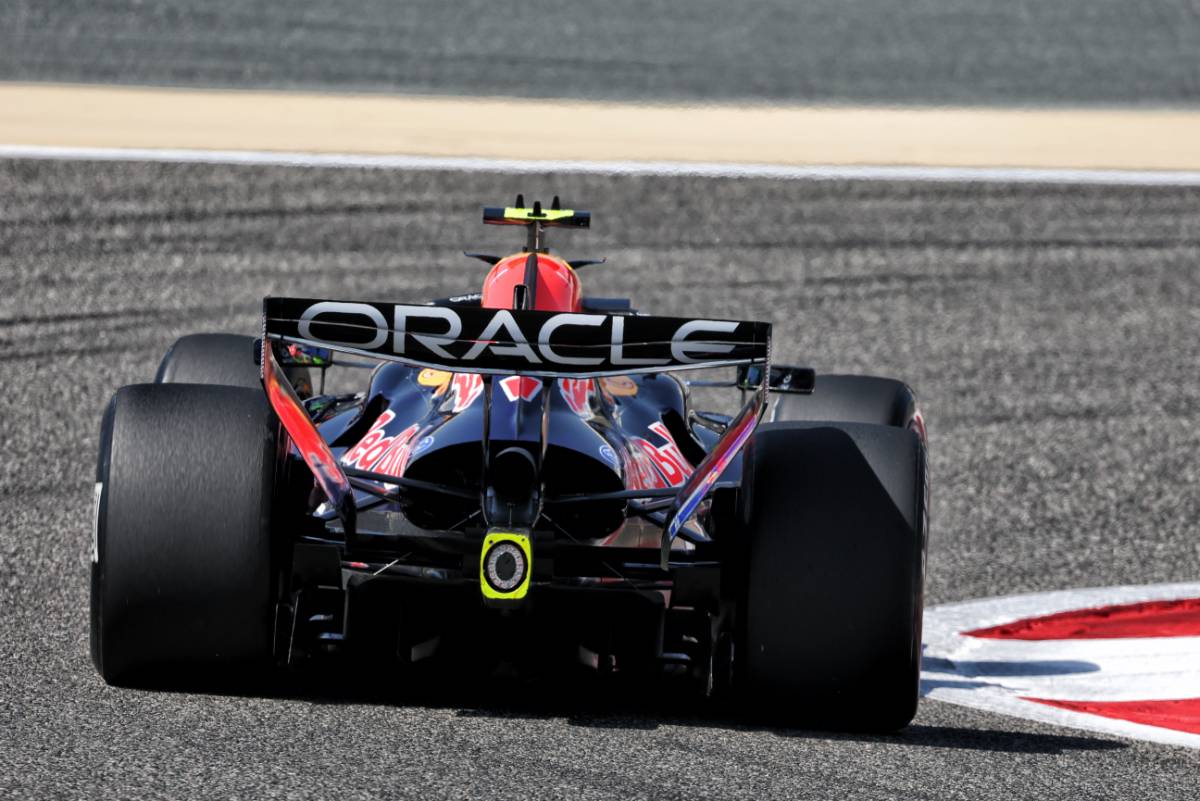
“It's true that it's early days, but it will come to a point very quickly where any competitive advantage – whatever number of tenths – is going to make a difference, so what we want is clarity, and I would agree with James on thinking that we will get that clarity hopefully very soon.”
In a sport where milliseconds define legacies, the battle over how heat expands metal may sound arcane — but it could decide who controls the throttle of the next Formula 1 era.
Keep up to date with all the F1 news via X and Facebook