



The FIA has chosen to trial in Bahrain a new Formula 1 start procedure – a subtle but potentially crucial tweak ahead of the sport’s new-generation era.
As teams pound around Sakhir in pre-season testing trim, it’s not just lap times under scrutiny. The choreography before the lights go out is also being re-examined, after concerns that the 2026 start process risks becoming clunky – and chaotic.
At the heart of the debate lies a technical wrinkle: with the next wave of power units, drivers must manually hold revs for more than 10 seconds to spool up their turbos.
It’s a delicate balancing act, one that raised eyebrows in the paddock about whether the existing countdown sequence leaves enough breathing room.
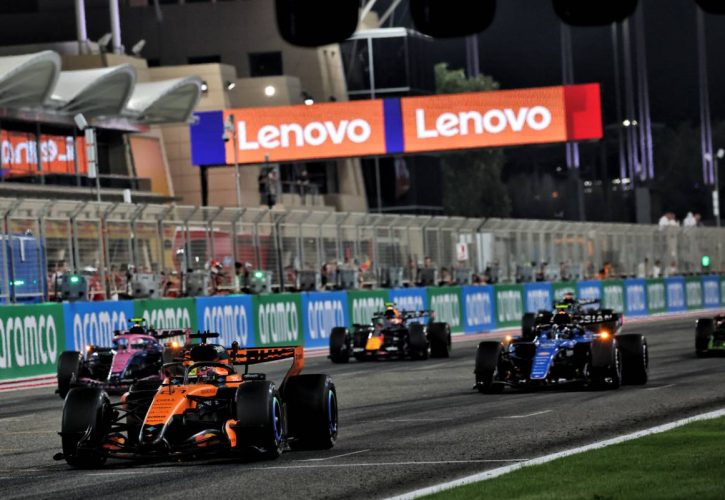
Following discussions at Wednesday morning’s F1 Commission meeting, the FIA opted to experiment. Drivers were granted an additional five seconds between forming up on the grid and the beginning of the light sequence. The result? A notably smooth practice start at the end of Wednesday’s running.
And the governing body isn’t stopping there. The longer procedure will continue to be trialled after each half day of testing on Thursday and Friday before a final call is made ahead of the season opener in Australia.
McLaren Encouraged by ‘Sensible’ Trial
The early verdict from the pit wall – particularly at McLaren – was cautiously positive.
Mark Temple, the team’s technical director for performance, welcomed the opportunity to simulate the real thing under pressure.
"There were some concerns that were voiced previously, so this was a kind of a chance to put a number of cars together to go through what we expect the start procedure to actually be," he said.
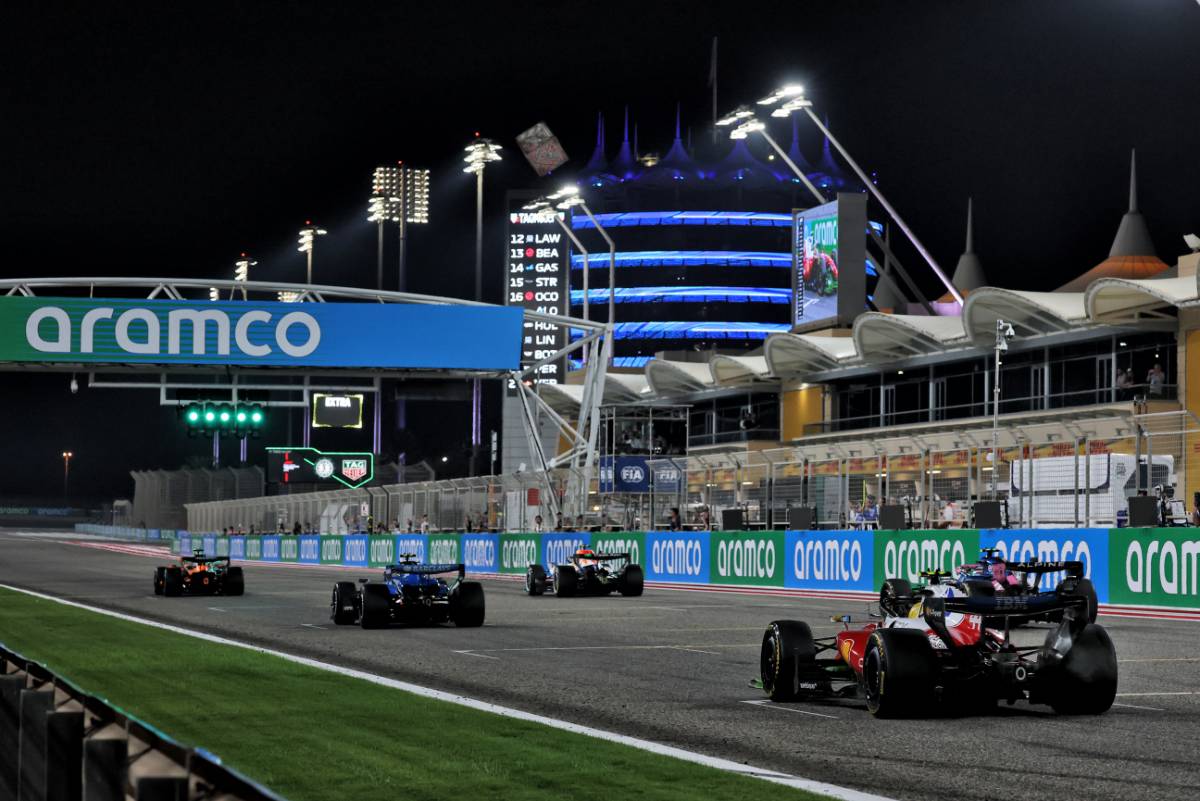
Temple said the extended window appeared to restore a sense of normality to what had threatened to become an awkward prelude to racing.
"Certainly, from what I saw, it all looked pretty normal and pretty sensible,” the Briton added.
“I think that kind of helps allay some of those fears, that when everyone's ready, everyone knows what they're doing, and the procedures are followed, I don't think it's a big issue.
"I think it's going to be perfectly reasonable. I'm sure there may be a little bit more fine-tuning, and there'll be feedback from this one, from the drivers, from the teams, and that will be revisited."
The message is clear: this is refinement, not revolution.
In a sport where races can hinge on the blink of an eye, the moments before the red lights extinguish are sacred. Too rushed, and drivers risk compromised launches. Too drawn out, and tension curdles into frustration.
The FIA’s Bahrain experiment is about striking that razor-thin balance – ensuring the spectacle remains sharp while accommodating the mechanical realities of a new era.
For now, the extra five seconds may not sound like much. But in Formula 1, even a heartbeat can change everything.
Keep up to date with all the F1 news via X and Facebook