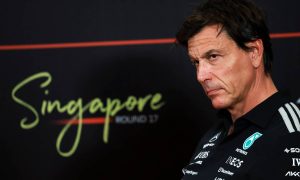


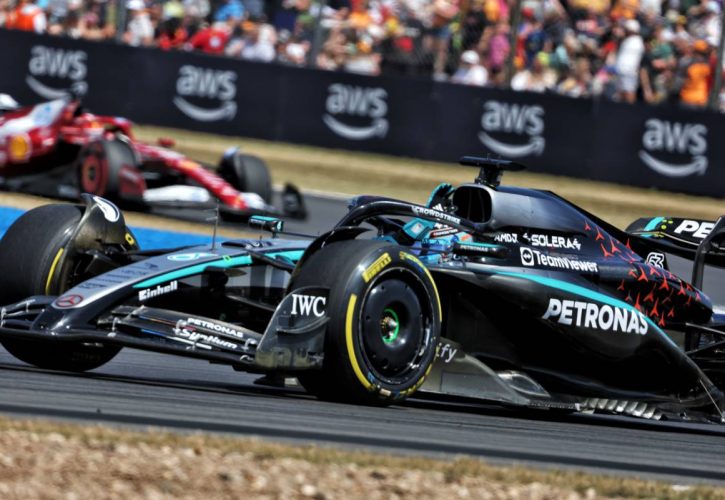


Toto Wolff has conceded that Mercedes failed to properly adjust to Formula 1’s ground-effect regulations, introduced in 2022, which have reshaped the competitive landscape of the sport.
The regulation overhaul ended Mercedes’ near-decade of dominance, as underbody aerodynamics became the defining performance factor.
Unlike the 2014 rule reset – when Mercedes surged ahead thanks to its power unit advantage – the team has been unable to replicate that success in the current era.
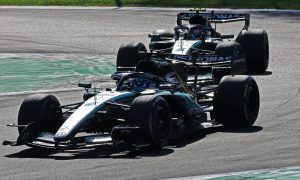
Mercedes first tackled the aero changes with a radical zero-sidepod design, an approach that, coupled with the Silver Arrows overall design concept, proved highly problematic as it led to severe porpoising and mechanical issues that hindered the car's performance throughout its 2022 campaign.
In early 2023, it became increasingly clear that Mercedes’ design was not viable, and the team introduced a more conventional-looking W14 in Monaco which marked a turning point for the Brackley squad although results remained subdued.
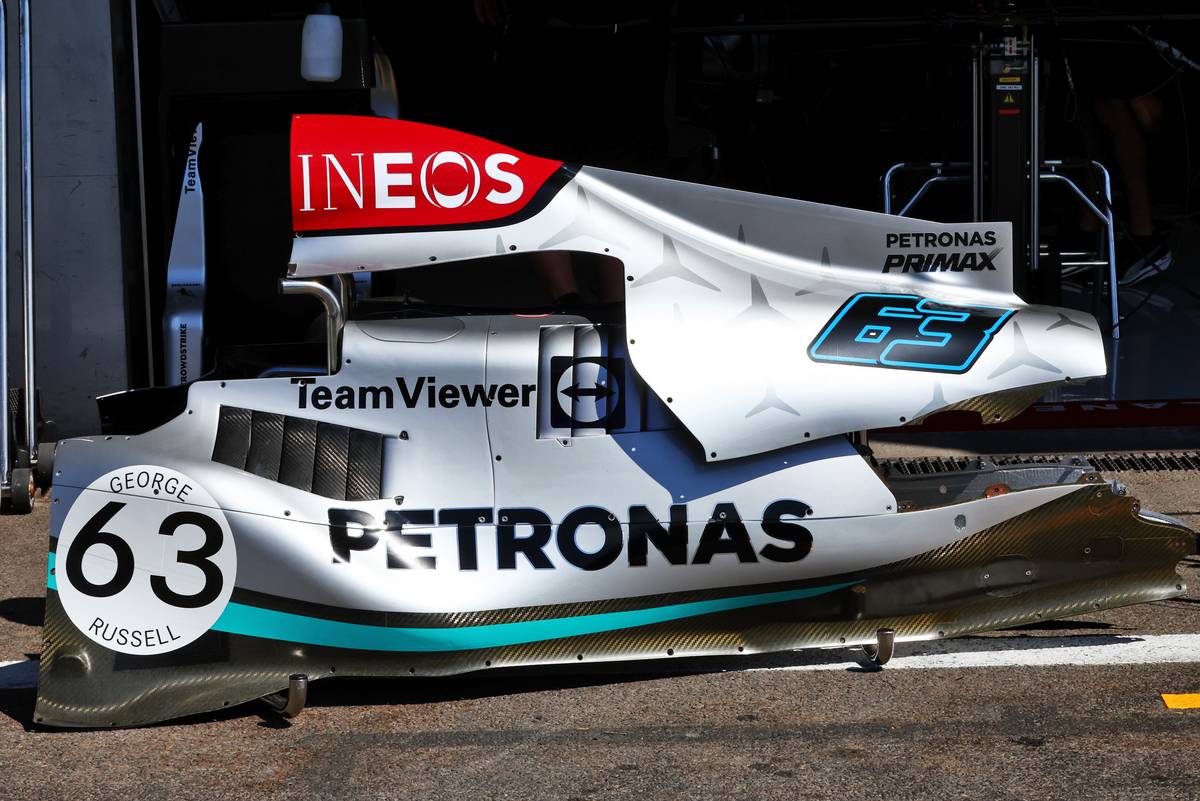
“I think we simply couldn't adapt to this rule system properly,” Wolff told Formula.hu.
“We were at a disadvantage right from the start, and then it's terribly difficult to catch up against such great opponents.”
Highlights Amid the Struggles
Despite the setbacks, Mercedes has still managed flashes of competitiveness. Wolff pointed to landmark weekends in 2024 as proof the team can still deliver race-winning machinery under the right circumstances.
“I'm glad we had some nice highlights, like last year at Silverstone, Lewis [Hamilton's] last win at the British Grand Prix, but we dominated Spa and absolutely dominated Las Vegas,” Wolff said.
“Sometimes we had a winning car, like in Montreal this year, and I hope we can continue to do that for the rest of the season.”
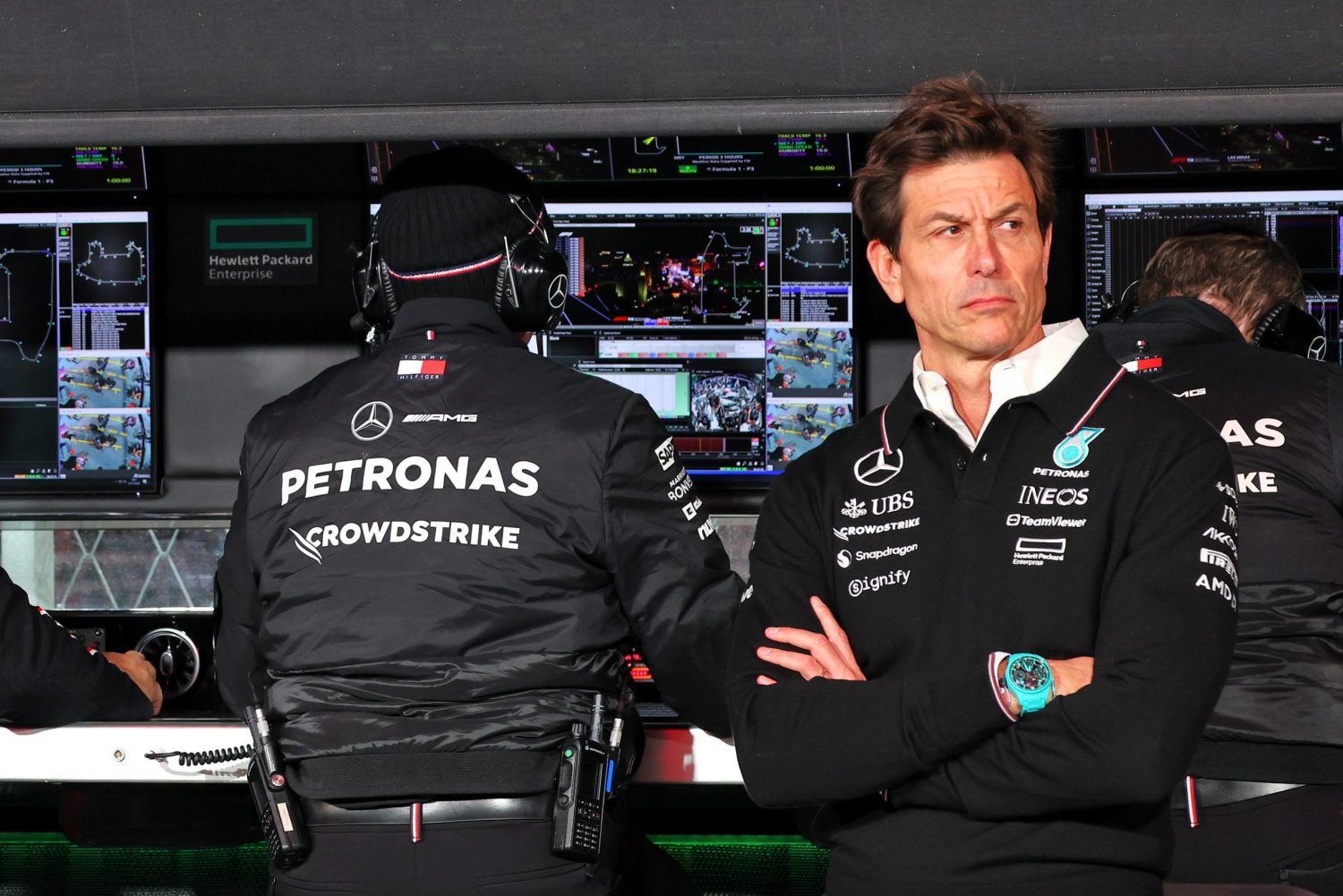
The results, however, have been inconsistent, leaving the team trailing both McLarenl and Ferrari in the constructors’ standings. As of now, Mercedes holds third place with 236 points, just 24 behind the Scuderia.
Eyes on 2026 – but Lessons to Learn Now
Like much of the grid, Mercedes is already investing heavily in its 2026 car-and-engine package, which will debut under the sport’s next sweeping regulation changes. Wolff stressed, however, that the current campaign still offers valuable opportunities for refinement.
“I believe that there is always something to learn and optimize in the operational area. Cost management will also be more efficient,” he explained.
With six months to go before F1’s next revolution, Mercedes’ challenge remains twofold: extracting the best from its current package while ensuring it doesn’t miss the mark when the rules reset once again.
Keep up to date with all the F1 news via X and Facebook