



The FIA has revealed that it came close to intervening mid-cycle in Formula 1’s ground-effect regulations as concerns grew over the return of dirty air – but ultimately stopped short of making changes.
As the 2025 season finale in Abu Dhabi brings the current regulatory era to a close, the governing body has begun to reflect on what the sweeping 2022 rules overhaul achieved, and where it fell short.
Designed to transform racing by enabling cars to follow more closely, tightening the competitive field and underpinning long-term sustainability, the ground-effect era delivered mixed results.
Nikolas Tombazis, the FIA’s single-seaters director, offered a candid assessment of the cycle, praising its direction while conceding that perfection remained elusive.
“I think we've made a significant step in the right direction on most of these aims, but I certainly wouldn't claim total success on everything, so I wouldn't give us an A star. I would give us a B or a C, or something like that,” Tombazis explained.
Financial Stability: A Clear Success
One area where the FIA feels confident about progress is financial governance. While the cost cap has added layers of complexity to the regulations, Tombazis believes it has fundamentally reshaped Formula 1 for the better.
“I would certainly say that we cannot even imagine not having the financial regulations now. So I think that has been a success,” he said.
According to the FIA engineer, the championship is now more stable and resilient than before, even if enforcement has become more demanding behind the scenes.
Racing Gains – And Unintended Consequences
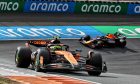
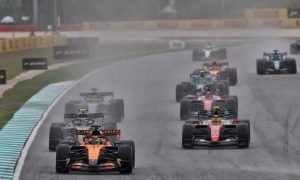
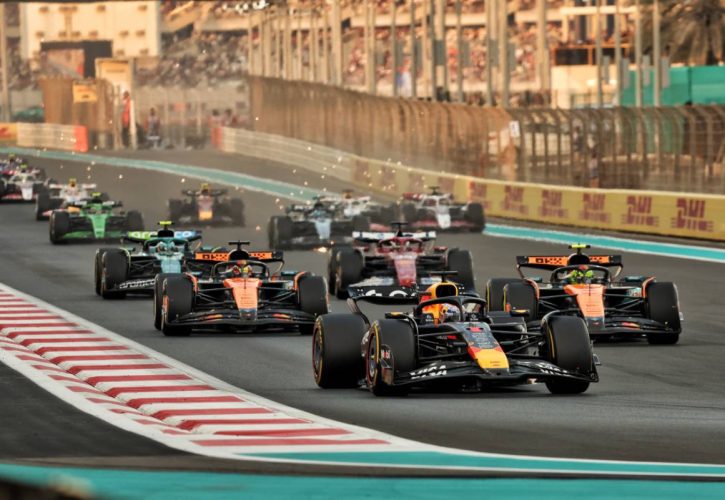
On track, the early phase of the ground-effect era showed promise. Cars in 2022 and 2023 were visibly better at running close together, a key objective of the aerodynamic reset.
“The technical side, I think yes, definitely cars did get to a point where they could race each other more closely,” said Tombazis, referring to 2022 and 2023.
However, as teams refined their designs, the FIA saw the regulations gradually being stretched in ways that undermined their original intent.
“Where we don't give ourselves full marks, is that there were a few, I wouldn't quite call them loopholes, but there were certainly some areas of the regulations that were a bit too permissible let's say. And that enabled teams to adopt solutions which created outwash.”
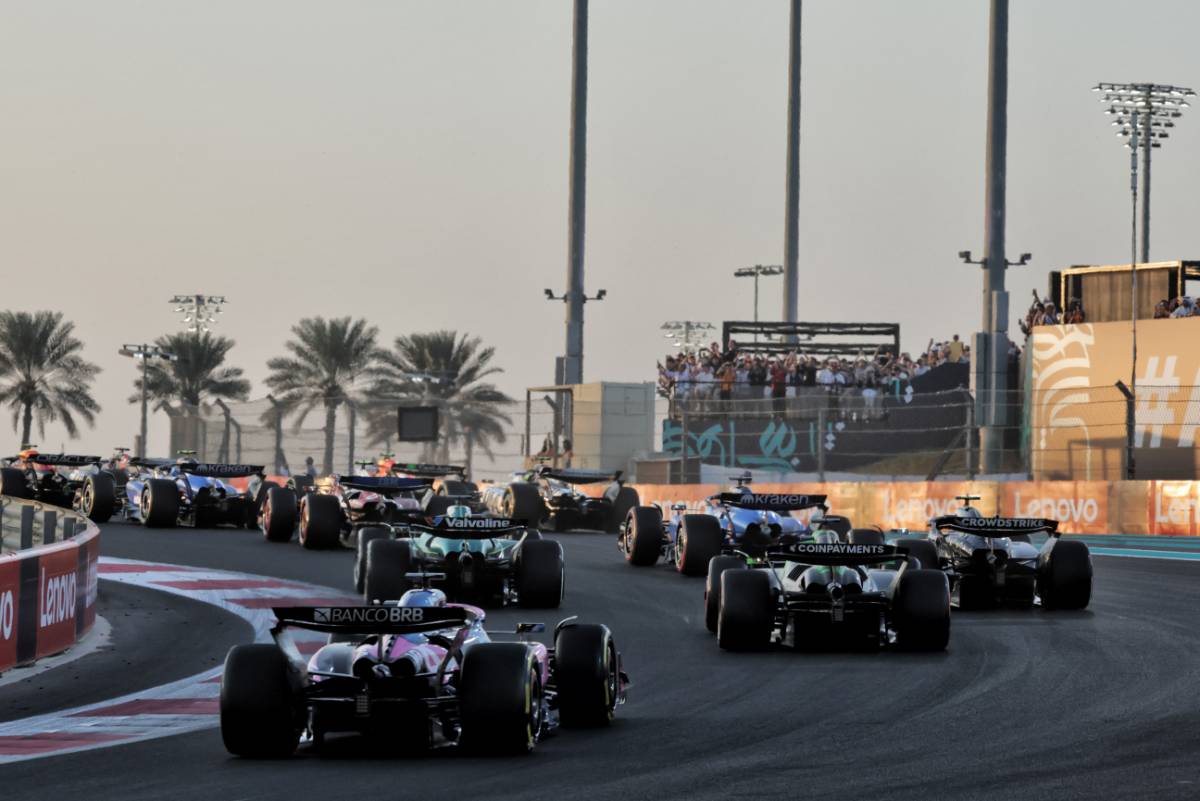
Tombazis outlined several specific areas where development trends began to reintroduce aerodynamic turbulence.
“The main areas were first of all the front wing endplate. The front wing endplate was originally planned to be a very inwashing device. And gradually, all the ruling to do with how the profiles go around and join into the endplate, that was not tight enough. It led to profiles being quite outwashing in that area and creating a lot of outwash.
“The other area where they exploited a lot was the drum design of the front wheel, the furniture on the inside of the front wheel. And I would also say the edges of the floor were in that category. These were the main areas of performance deterioration from the intent of the rules.”
As these concepts converged, dirty air levels increased, making overtaking and close racing more difficult compared to the early days of the regulations.
Why the FIA Didn’t Act Mid-Cycle
Given these developments, it may seem surprising that the FIA did not step in to tighten the rules sooner. Tombazis confirmed that such discussions did take place — but consensus proved elusive.
“These areas I mentioned, it's not like that is something new today. It was also the case two years ago. Why we didn't [change the rules]? Well, we tried, but we didn't have enough support among the teams,” he said.
Any regulatory changes during an active cycle require broad agreement, something the FIA could not secure.
“It needs governance to change regulations during a cycle - and therefore it means that a large number of teams need to support certain changes. It's not just us wanting to do something.”
With a new set of regulations on the horizon, Tombazis is hopeful that the lessons learned from this cycle will pay off, particularly when it comes to limiting outwash and improving raceability.
“The outwash, we obviously believe that it will be better, but let's have this discussion in two years and hopefully we will tell you that it was all OK and we will be all smiling,” he concluded.
Whether the next era finally delivers a lasting solution to Formula 1’s dirty air problem remains to be seen – but the FIA’s willingness to acknowledge imperfections suggests a more refined approach is on the way.
Keep up to date with all the F1 news via X and Facebook